

This blog post is based on the presentations and remarks of Dr Roland Weber, delivered during the GGKP webinar Activity Options for Action Plans on the Reduction of uPOPs and Management of PFASs, held on 20 January 2026.
As part of the National Implementation Plans (NIPs) under the Stockholm Convention, Parties are required to develop action plans outlining how they will manage and phase out persistent organic pollutants (POPs) to meet Convention obligations. They provide a framework for reducing exposure, informing regulations and addressing national priorities. A well-structured action plan not only helps meet the core obligations of the Stockholm Convention, but also aligns with broader national and global chemical and waste management priorities.
By addressing open waste burning, industrial emissions, and managing unintentional POPs (uPOPs) and per- and polyfluoroalkyl substances (PFAS) across their full life cycle, countries can meet Stockholm Convention obligations for these important POP groups while avoiding regrettable substitutions, mitigating legacy contamination and strengthening long-term chemical safety. This integrated approach supports sustainable POPs management and aligns with the Global Framework on Chemicals (GFC).
Delivering effective action plans for uPOPs
Unintentional POPs such as polychlorinated dibenzo-p-dioxins (PCDD), dibenzofurans (PCDF), unintentionally produced polychlorinated biphenyls (PCBs), naphthalenes (PCNs), pentachlorobenzene (PeCB), hexachlorobenzene (HCB) and hexachlorobutadiene are closely linked with broader national systems for waste management, industrial production and chemical control. Effective NIP action plans can go beyond the Stockholm Convention and serve as entry points for integrated pollution prevention and control across sectors.
Strengthening regulatory frameworks forms the backbone of action plans. This includes assessing existing laws and policies, introducing release limit values, or performance standards for uPOPs, and – where analytical capacity is limited – using surrogate parameters such as a combination of dust, combustion quality, or heavy metal limits. Experience from Switzerland demonstrates that effective reductions in dioxin releases can be achieved through such approaches, even in the absence of sophisticated monitoring infrastructure. The establishment of unintentional trace contaminant (UTC) limits for uPOPs in products, mixtures and chemicals helps close regulatory gaps and reduce human exposure via food, agriculture and recycled materials.
Robust inventories underpin the entire NIP and all action plans. Regularly updating uPOPs inventories, reviewing strategies and reporting progress allows countries to identify priority sources and track the effectiveness of interventions. Integrating uPOPs data with mercury and greenhouse gas inventories – or developing Pollution Release and Transfer Registers (PRTRs) – can further strengthen evidence-based decision-making.
Addressing major sources of uPOPs
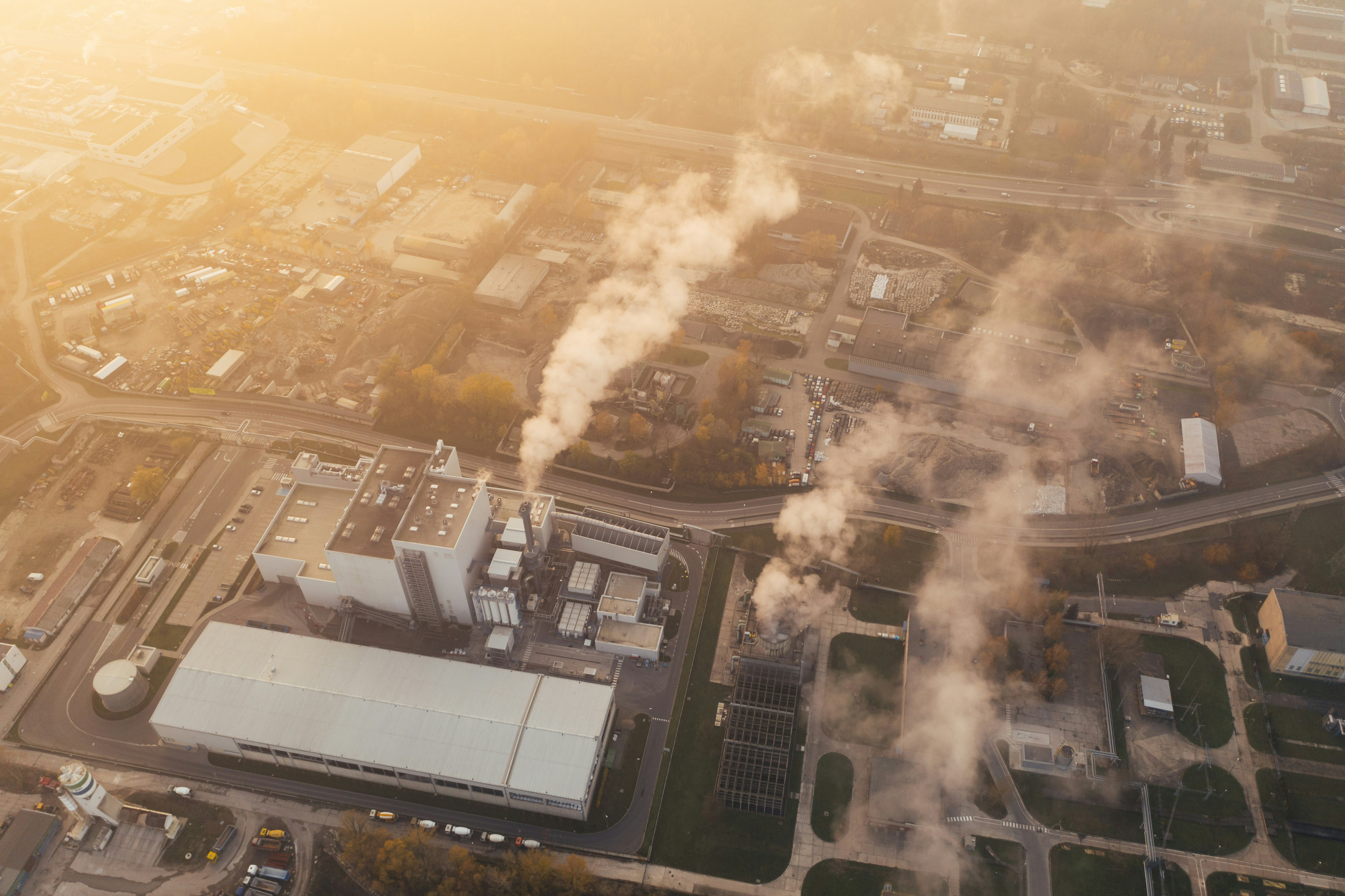
Open burning of waste remains the dominant global source of dioxin and furan emissions to air, particularly in low- and middle-income countries. These same practices also generate high levels of particulate matter (PM10/PM2.5), polycyclic aromatic hydrocarbons (PAHs) and black carbon, with direct implications for public health and climate change.
For an appropriate risk assessment and cost-benefit analysis, the reduction of these co-pollutants should be considered alongside uPOPs. Improving waste management systems, applying the waste hierarchy and advancing circular economy approaches can therefore deliver multiple environmental, health and climate co-benefits well beyond Convention compliance.
As Dr Weber highlighted: “Unintentional POPs should not be addressed on their own, but should be linked with general waste and plastic management and an integrated pollution prevention and control of major emission sources. This may include national plans and strategies to reduce and control emissions from industries, and national chemical and waste management plans.”
For industrial sources listed in Annex C of the Stockholm Convention, Best Available Techniques and Best Environmental Practices (BAT/BEP) are one of the clearest priorities for effective action plans. Controlling dioxins and other uPOPs through BAT/BEP almost always reduces a wider suite of pollutants at the same time, including mercury, other heavy metals and particulate matter. This creates strong synergies with other multilateral environmental agreements, notably the Minamata Convention, and supports a shift towards integrated pollution prevention and control in sectors such as waste incineration, power generation and cement kilns. Likewise, applying integrated pollution prevention approaches in ferrous and non-ferrous metal production is essential as they are major emitters of dioxins and other uPOPs, but also key for circular economy strategies.
Beyond waste and industry, it is also important to address emissions from indoor cooking and heating which causes approximately 3 million premature deaths annually. Improving stove performance and accelerating transitions from fossil fuel to renewable energy can reduce uPOPs, greenhouse gas emissions and indoor air pollution simultaneously. Preventing uPOPs at source by substituting problematic chemicals, pigments, materials, and pesticides in consumer products and the production process further strengthens controls and avoids future contamination.
Awareness, education and monitoring
Awareness-raising and education for relevant stakeholder groups should be accompanied by additional measures to ensure that major stakeholders understand the fundamentals of uPOPs and other major pollutant releases from Annex C Part II and III sources. Recommended activities include developing educational and awareness materials on the health and environmental impact of dioxins, other uPOPs and co‑pollutants; raising awareness of human exposure from emissions, contaminated sites and food; and conducting awareness‑raising campaigns for industrial sources, incinerators and open burning.
For established monitoring of uPOPs and relevant pollutants from Annex C sources and human exposure, Parties are recommended to assess the need and options for monitoring uPOPs from industry and priority sources, strengthen national or international cooperation, evaluate instrumental analysis and dioxin bio-assays and monitor priority foods and environmental samples. Options might include developing/improving one's own monitoring capacity or regional and international cooperation.
Managing uPOP legacy pollution
Assessment and management of uPOP‑contaminated sites are essential, as PCDD/F contamination represents a legacy of nearly two centuries of industrial releases and contamination from the application of pesticides and biocides containing PCDD/F, with long-term impacts on human health and the environment.
Recommended activities include developing or updating legislation to set criteria for contaminated soils and sediments, applying the polluter pays principle, establishing conceptual site models and databases, securing contaminated sites, identifying clean‑up measures, and developing monitoring for contaminated and secured sites. Synergies can also be leveraged by addressing uPOPs and mercury contamination at chloralkali and polyvinyl chloride (PVC) production sites.
In this way, NIP action plans can function as catalysts for broader national pollution control strategies that respond to the interconnected nature of the triple planetary crisis of climate change, biodiversity loss and chemical pollution.
To learn more about the Global NIP Update project, visit Global NIP Update | Green Policy Platform
For a deeper dive into the GGKP webinar Activity Options for Action Plans on the Reduction of uPOPs and Management of PFAS, you can access the full recordings and materials here.
Author:
 |
Roland Weber, POPs Environmental Consulting, https://www.researchgate.net/profile/Roland-Weber-2 |
This article was curated by Mark Schulman, Content Editor, GGKP.