

Global Green Growth Week 2025
Shipping is the engine of global trade, transporting more than 80 percent of goods worldwide and sustaining the foundations of the modern economy. Yet this indispensable system carries a significant environmental burden. Maritime transport accounts for nearly 3 percent of global greenhouse gas emissions—more than many countries—and, without decisive action, these emissions are projected to rise. Beyond carbon, the sector contributes to sulphur and nitrogen pollution, underwater noise, invasive species, and spill risks that disproportionately affect vulnerable coastal communities.
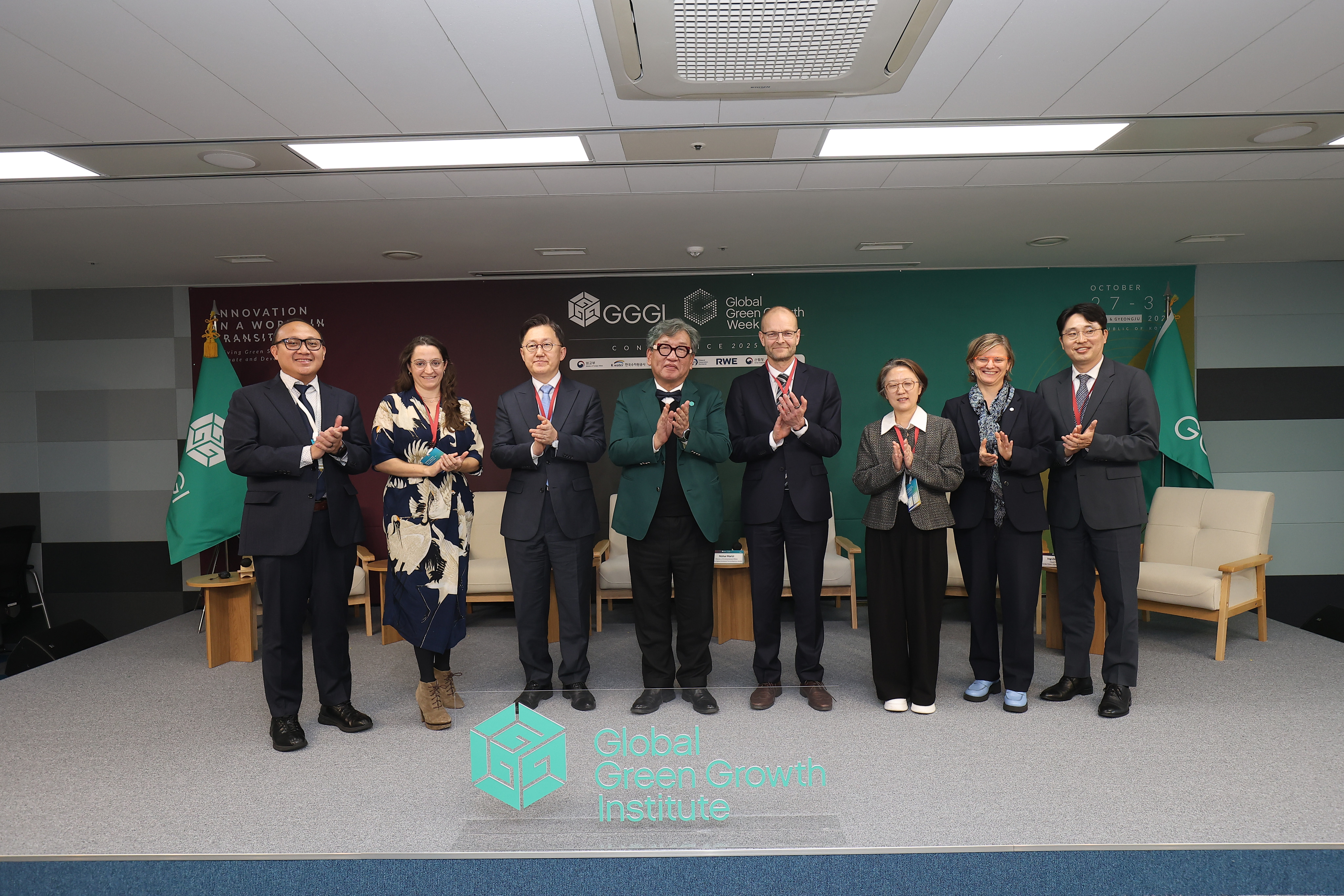
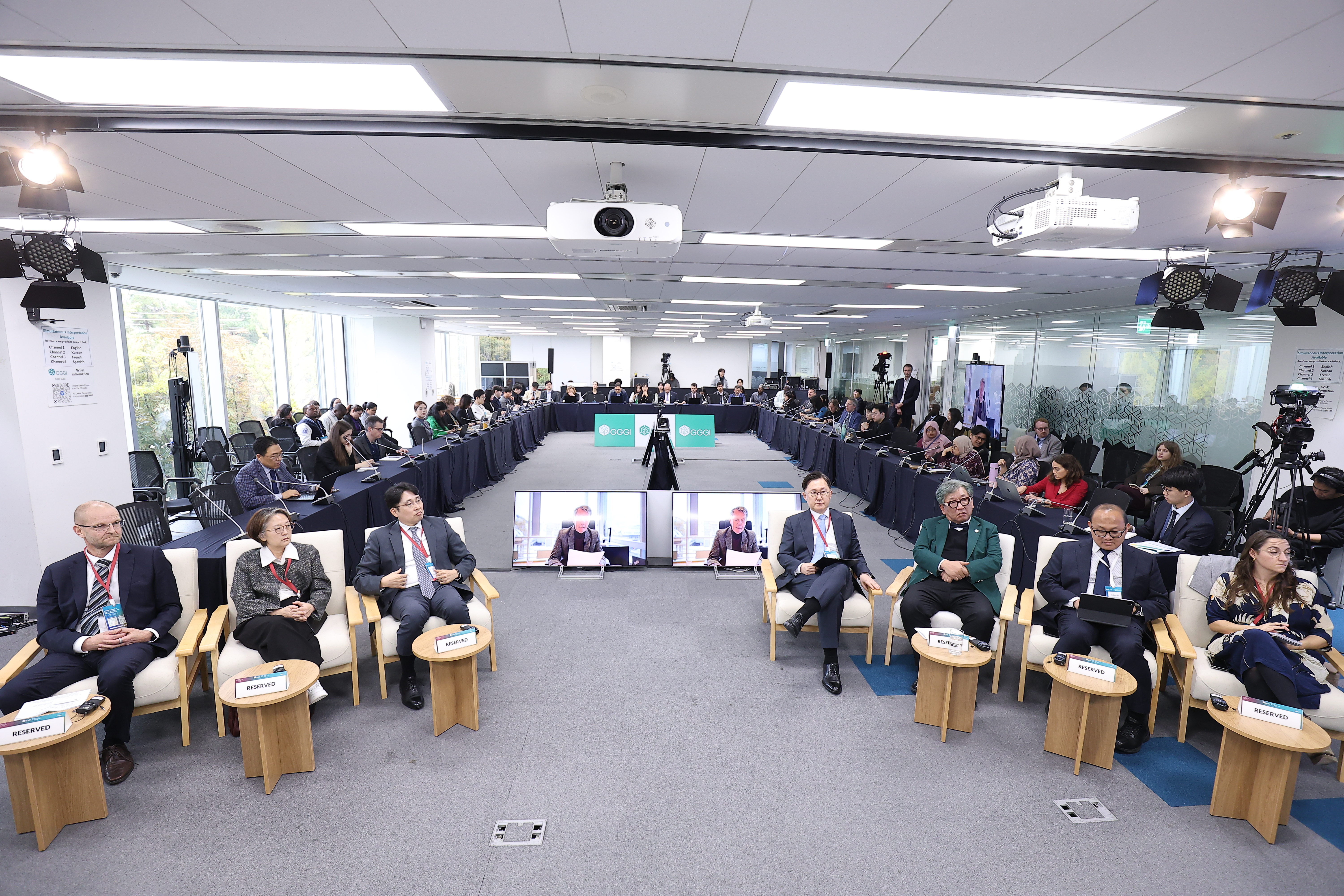
Against this backdrop, the High-Level Dialogue on Green Shipping at Global Green Growth Week (GGGWeek) 2025 convened leaders from governments, diplomatic missions, port cities, research institutions, and multilateral organizations. Their interventions collectively traced the global momentum for maritime decarbonization, the rise of green shipping corridors, and the rapidly evolving dynamics in the Arctic—one of the world’s most geopolitically sensitive and environmentally fragile regions.
Framing the Conversation: Shipping, Climate, and Global Responsibility
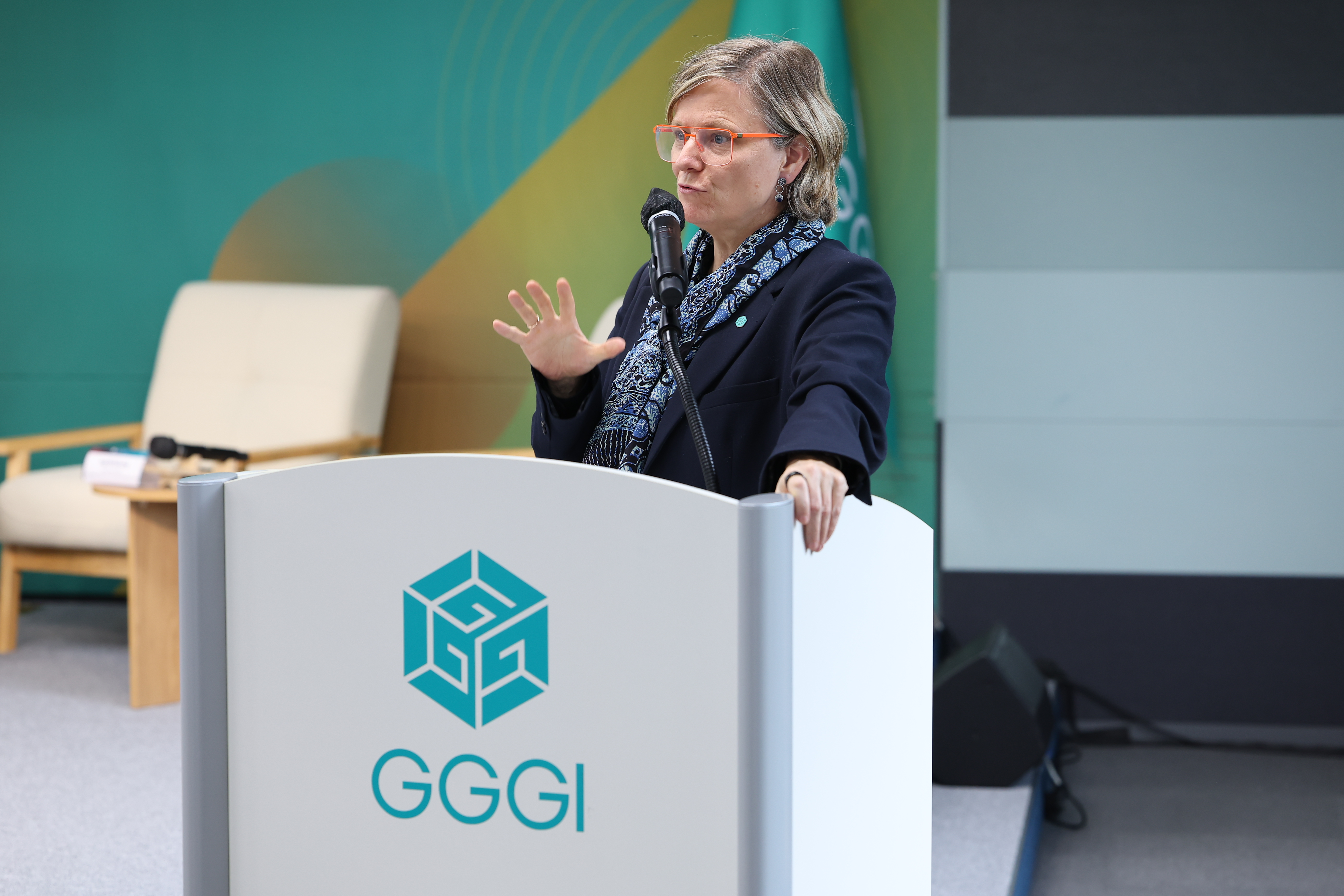
Moderator Ingvild Solvang, Director of Program Development at GGGI, opened the session by observing that although the ocean has long inspired culture and imagination, it now demands decisive and coordinated action. As she noted, shipping is navigating uncharted waters—confronting accelerating climate impacts, rising regulatory expectations, and a growing convergence between maritime and climate agendas. Her framing positioned the ocean as both a unifying space and a shared responsibility, creating a coherent thread that connected science, governance, technology and finance.
Building on this foundation, the session turned to the Arctic—a region where these global dynamics converge most visibly—through keynote remarks by H.E. Chung Byung-ha, Ambassador for Polar Affairs of the Republic of Korea.
GGGWeek 2025
The Arctic: Climate Realities and Governance Imperatives
Ambassador Chung underscored that the Arctic is warming faster than the rest of the planet, reshaping sea ice, ecosystems, and global weather systems. His perspective resonated with the scientific and operational concerns raised throughout the session, as he described how environmental transformation is occurring alongside geopolitical tensions that complicate cooperation. He highlighted Korea’s long-standing scientific engagement in the Arctic—through the Dasan Research Station in Svalbard and the ARAON icebreaker—which enables continuous collaboration with Arctic and non-Arctic partners. The next-generation icebreaker expected to enter service by 2030 will, he noted, further strengthen the scientific foundations of Korea’s polar diplomacy at a time when evidence-based decision-making is essential.
Governance featured prominently in his intervention. Korea’s role as an original signatory to the Central Arctic Ocean Fisheries Agreement illustrated its commitment to precautionary and inclusive cooperation even during strained geopolitical periods. Ambassador Chung also pointed to examples of responsible innovation, including Korean–Icelandic collaboration on electrifying fishing vessels. He concluded that opportunity and risk coexist in the Arctic and that only strong global cooperation can ensure a sustainable, peaceful, and open region where green shipping plays a central role. As the discussion shifted from the scientific and geopolitical contours of the Arctic, it broadened into the global implications of maritime transitions.
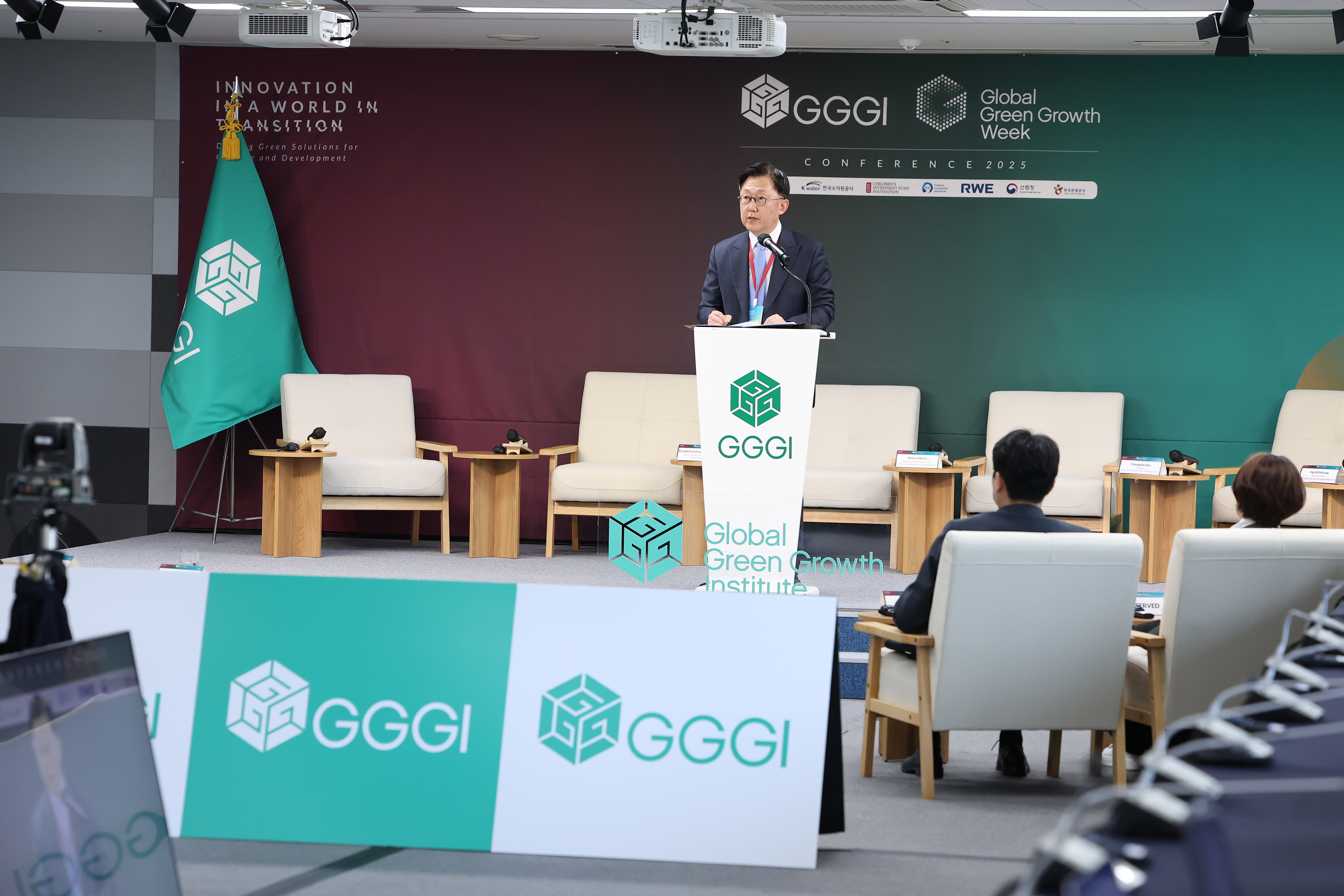
Global Perspectives on Decarbonization from GGGI Leadership
The conversation then expanded geographically and institutionally with reflections from Dr. Sang-Hyup Kim, Executive Director of GGGI, who emphasized how maritime transitions intersect with several of GGGI’s strategic priorities: carbon markets, clean hydrogen, and digital systems for monitoring and verification. Drawing from his experience visiting Greenland more than a decade ago, he recalled seeing both the urgent impacts of climate change and the emerging potential of new Arctic routes.
Yet Dr. Kim noted that the Arctic cannot be treated as a conventional commercial frontier. Any development must prioritize environmental protection, safety, and geopolitical stability. He affirmed GGGI’s commitment to supporting member states—through technical assistance, international partnerships and market-based solutions—framing the dialogue as the beginning of deeper cooperation with global champions of green shipping. These broader institutional considerations naturally connected to the voices of port cities and Arctic states, whose experiences illustrate how global shifts materialize at the local and regional levels.
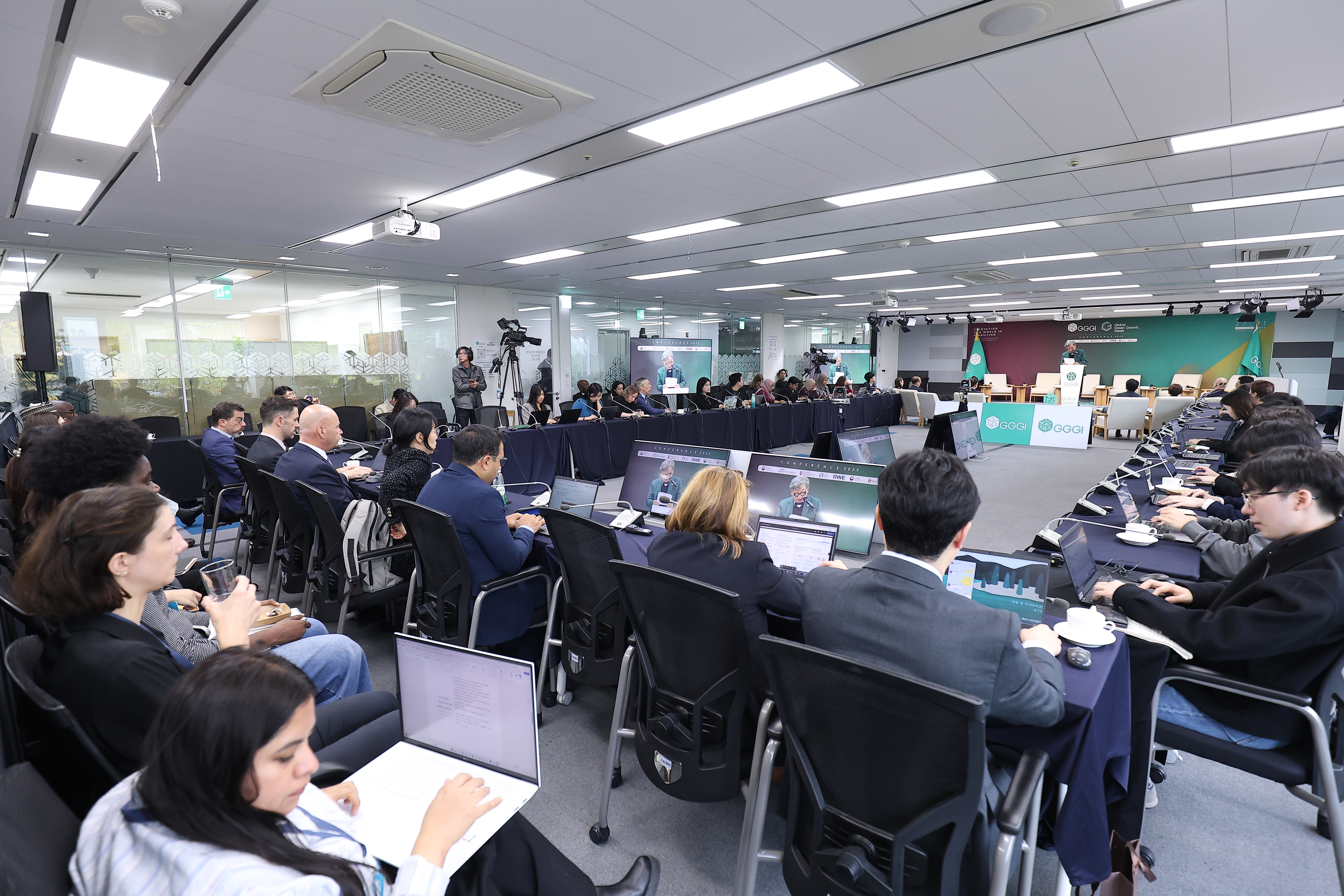
GGGWeek 2025
Port Cities and Arctic States in the Maritime Transition
The dialogue further elaborated that while the Arctic represents a critical focal point, the implications of maritime change extend far beyond polar waters. From Tromsø, the "Arctic capacity” of Norway, Mayor Gunnar Wilhelmsen described his city as a hub of Arctic cooperation and scientific exchange, hosting institutions such as the Arctic Council Secretariat and the Arctic Economic Council. He stressed that opening sea routes may attract increased traffic but also heightens vulnerabilities for ecosystems and Indigenous communities, placing responsibility on port cities to lead in implementing green infrastructure and sustainable maritime governance.
Complementing this viewpoint, H.E. Jyri Järviaho, Ambassador of Finland to Korea, presented Finland’s experience in developing smart and green ports. Finland’s success in achieving carbon-neutral port operations, advancing digital navigation systems, and conceptualizing zero-carbon icebreakers illustrated the technological transformations already under way. He also flagged persistent risks associated with older vessels navigating the Baltic Sea without sufficient safety standards—an issue with wider implications for global maritime regulation. With these diverse local experiences highlighting both progress and remaining vulnerabilities, the dialogue moved into a more technical examination of fuel behaviour in extreme environments.
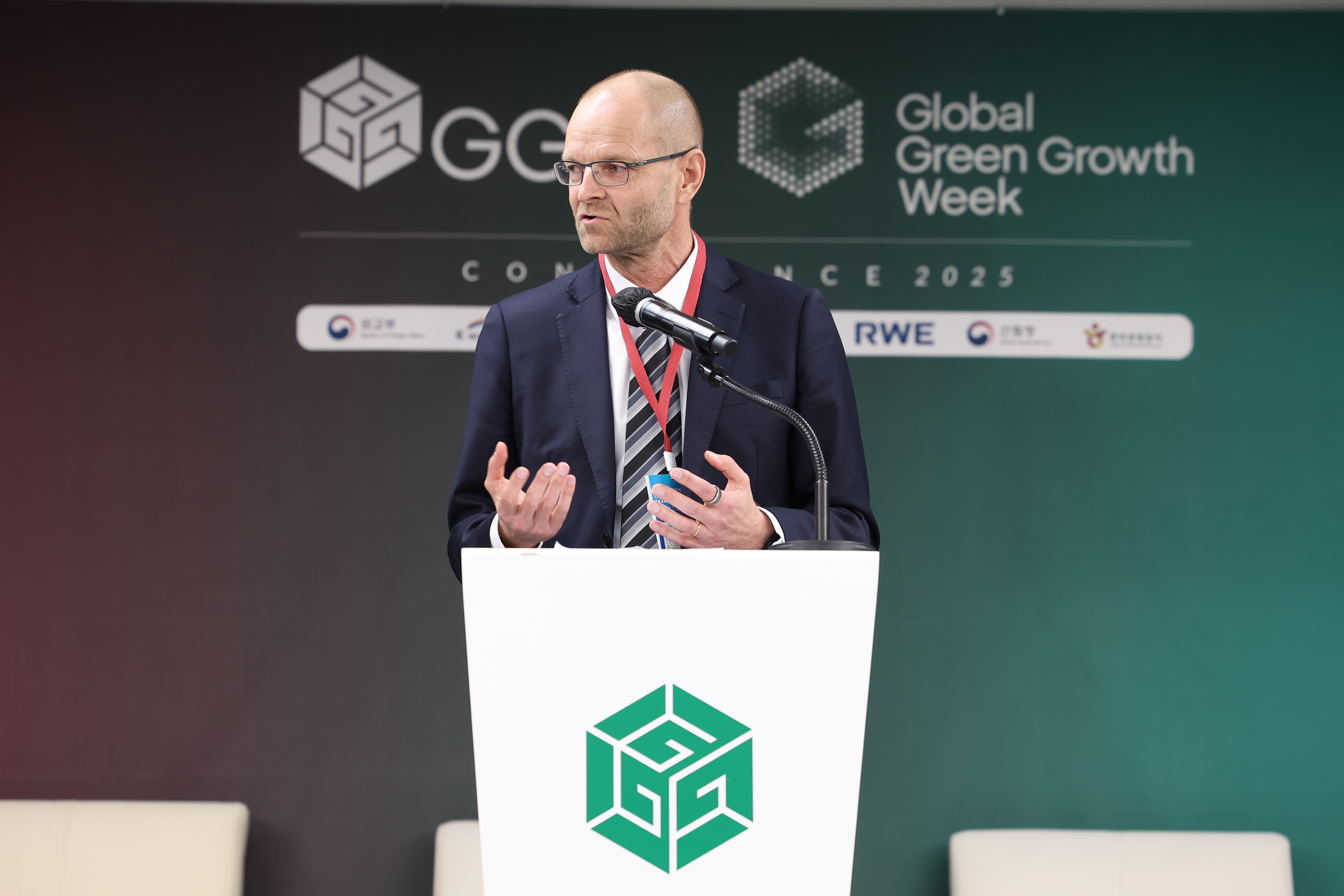
Technical Insights on Fuel Safety in Polar Conditions
The discussion then moved into a more technical dimension as Jon Arve Røyset, Senior Adviser at the Norwegian Coastal Administration and representative to the Arctic Council’s Protection of the Arctic Marine Environment (PAME) Working Group, presented new research on the behaviour of very low-sulphur fuel oils (VLSFOs) in Arctic conditions. His intervention offered quantitative evidence of how rapidly the Arctic maritime landscape is evolving. Over the past decade, Arctic shipping activity has doubled, measured by total distance sailed. Today, roughly 1,800 unique vessels operate in Arctic waters—about half powered by diesel and half by residual fuels—with residual-fuel vessels representing the majority of total fuel volume present at any time.
Røyset explained that much of this uptick comes from destinational traffic: ships entering the Arctic to service mines, industrial zones, and energy infrastructure, rather than transit vessels passing between continents. For example, he noted that in 2013 there was almost no shipping activity associated with the Mary River iron mine, yet by 2024 vessels serving the mine had sailed nearly 200,000 nautical miles. Similar growth has occurred in liquefied natural gas (LNG) tanker movements, reflecting expanding industrial operations across the Arctic.
It is within this context that fuel behaviour becomes a critical environmental and operational concern. Røyset demonstrated how many post-2020 VLSFOs solidify at temperatures commonly found in Arctic waters. He illustrated how heated VLSFO, when released into 10°C seawater, rapidly forms dense, drifting lumps that cannot be effectively recovered with current spill-response equipment. These solidified lumps can disperse unpredictably, adhere to ice, and persist for extended periods due to limited natural degradation. Given these risks, he recommended that vessels operating in Polar Code waters be required to use distillate fuels or other proven alternatives. At the global level, he urged regulators to establish a maximum pour-point limit of 5°C for VLSFO production, ensuring compatibility with cold-water environments. His technical findings reinforced the urgency of aligning fuel standards with the realities of a rapidly changing Arctic.
Ports as Drivers of the Maritime Energy Transition
Returning to the global energy transition, Dr. Eunwoo Kim, Director of the Port Industry Research Division at the Korean Maritime Institute (KMI), emphasized that “green shipping begins at the port.” Ports are evolving into clean-energy hubs capable of supplying liquefied natural gas (LNG), methanol, hydrogen, and ammonia to next-generation vessels. Her intervention highlighted the scale and pace of transformation already underway. As of late 2024, more than 70 LNG bunkering terminals and over 100 methanol terminals are operational worldwide, forming the early backbone of the global alternative-fuel infrastructure.
Dr. Kim underscored how rapidly the global fleet composition is shifting. Although around 99 percent of existing vessels still rely on conventional fuels, approximately 16 percent of ships on order are now designed for alternative fuels. The number of alternative-fuel-capable vessels is projected to rise from about 120 in 2018 to more than 2,200 by 2032—evidence of accelerating investment in maritime energy transition. She also detailed Korea’s growing international role. Beyond the Busan–Seattle and Ulsan–Tacoma green shipping corridors expected to commence pilot operations between 2027 and 2028, Korea has signed an MoU with Australia to co-develop a hydrogen- and ammonia-based corridor by 2028, linking clean-energy production with maritime decarbonization. Dr. Kim noted that a single container ship operating for one year on green methanol or ammonia could reduce emissions comparable to those of roughly 32,000 passenger vehicles.
Digitalization is reshaping ports as well, with AI-enabled traffic management, digital twins, and blockchain systems improving operational efficiency and strengthening transparency in green-fuel supply chains. She stressed that ports are becoming critical convening spaces where governments, port authorities, ship owners, energy providers, and financiers coordinate the deployment of these new systems. Collaboration, she concluded, is essential to scale innovations and ensure that port-based energy and digital infrastructure keep pace with global decarbonization efforts.
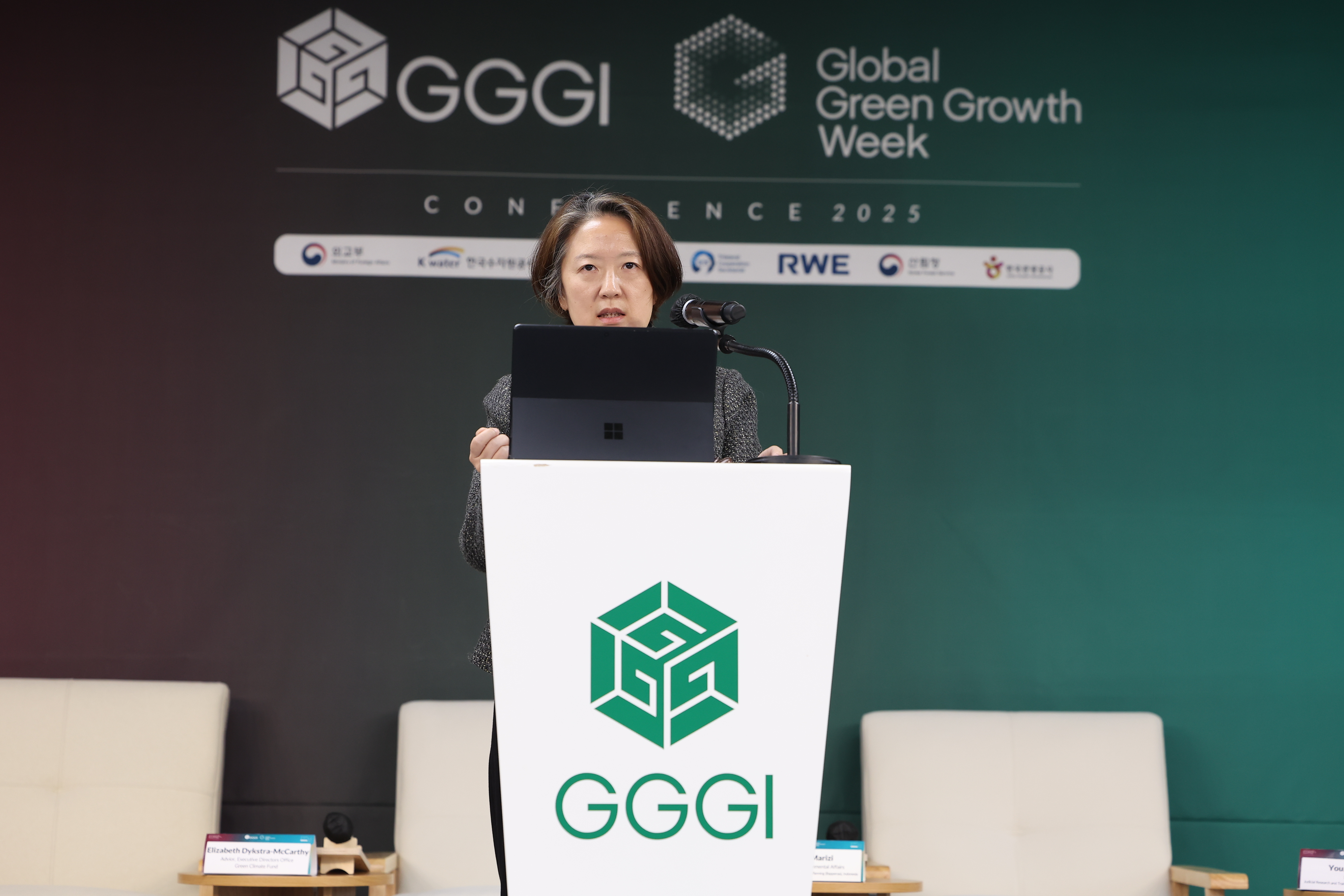
Indonesia’s Integrated Approach to Green Shipping and Ports
Bringing a perspective from the world’s largest archipelagic nation, Nizhar Marizi, Director of Environmental Affairs at Indonesia’s Ministry of National Development Planning (BAPPENAS), outlined how maritime decarbonization is being integrated across Indonesia’s long-term and medium-term planning frameworks. With over 17,000 islands and extensive domestic and international shipping routes, Indonesia views greener ports and low-emission maritime transport as essential to both economic development and climate commitments.
Key measures include modernizing port infrastructure, improving energy efficiency in domestic vessels, and expanding the use of onshore power supply—already operational in 21 Indonesian ports—to eliminate emissions during berthing. Marizi emphasized the need for strong coordination between national ministries and local governments and highlighted Indonesia’s strategy of mobilizing investment through policy reforms, fiscal incentives, public–private partnerships and collaboration with development partners such as GGGI. The examination of national planning and investment priorities provided a direct bridge to the global legal and financial frameworks shaping maritime decarbonization.
Evolving International Law and Its Implications for Maritime Governance
A legal perspective was offered by Professor Youngmin Seo of the Judicial Research and Training Institute at the Supreme Court of Korea. He explained that recent advisory opinions by the International Tribunal for the Law of the Sea (ITLOS) and the International Court of Justice (ICJ) now characterize greenhouse gas emissions as a form of marine pollution, thereby expanding states’ obligations to reduce emissions based on the best available science. These developments also link inadequate climate action to violations of human rights, such as the rights to life and a healthy environment.
He noted that these global trends are echoed domestically: the Korean Constitutional Court has ruled that insufficient climate measures may infringe upon constitutional rights. Such legal developments are expected to influence discussions within the IMO and reshape governance frameworks in the Arctic and beyond. As the normative landscape continues to evolve, the dialogue turned to the role of climate finance in enabling implementation—especially developing countries.
Climate Finance for Maritime Transitions: The Role of the GCF
The final perspective in the dialogue came from Elizabeth Dykstra-McCarthy, Advisor in the Office of the Executive Director at the Green Climate Fund (GCF). She highlighted that maritime decarbonization is rapidly emerging as a new frontier for climate finance. While shipping has historically fallen outside the UNFCCC framework, the GCF is seeing growing demand from governments seeking support for green shipping and port decarbonization strategies. Dykstra-McCarthy described ongoing readiness work in the Pacific, Caribbean and Africa, where the GCF is supporting feasibility studies, energy system assessments and port-related climate planning. She emphasized that developing countries—particularly those with strong renewable energy potential or strategic maritime locations—stand to benefit from new markets for sustainable marine fuels, provided they have access to necessary infrastructure and capacity.
Closing Reflections: Turning Momentum into Action
The dialogue closed by returning to a shared understanding: that maritime decarbonization is a global undertaking shaped by science, governance, technology, finance and local leadership. Momentum for green shipping is rising globally as governments, maritime regulators, and climate-finance actors coalesce around the need for rapid decarbonization of the maritime sector. In her concluding remarks, Ingvild Solvang reflected on the need to translate ambition into implementation: “When all is said and done, let us ensure that more is done than said.”
Photos @ 2025 Global Green Growth Institute
Watch the session recording: