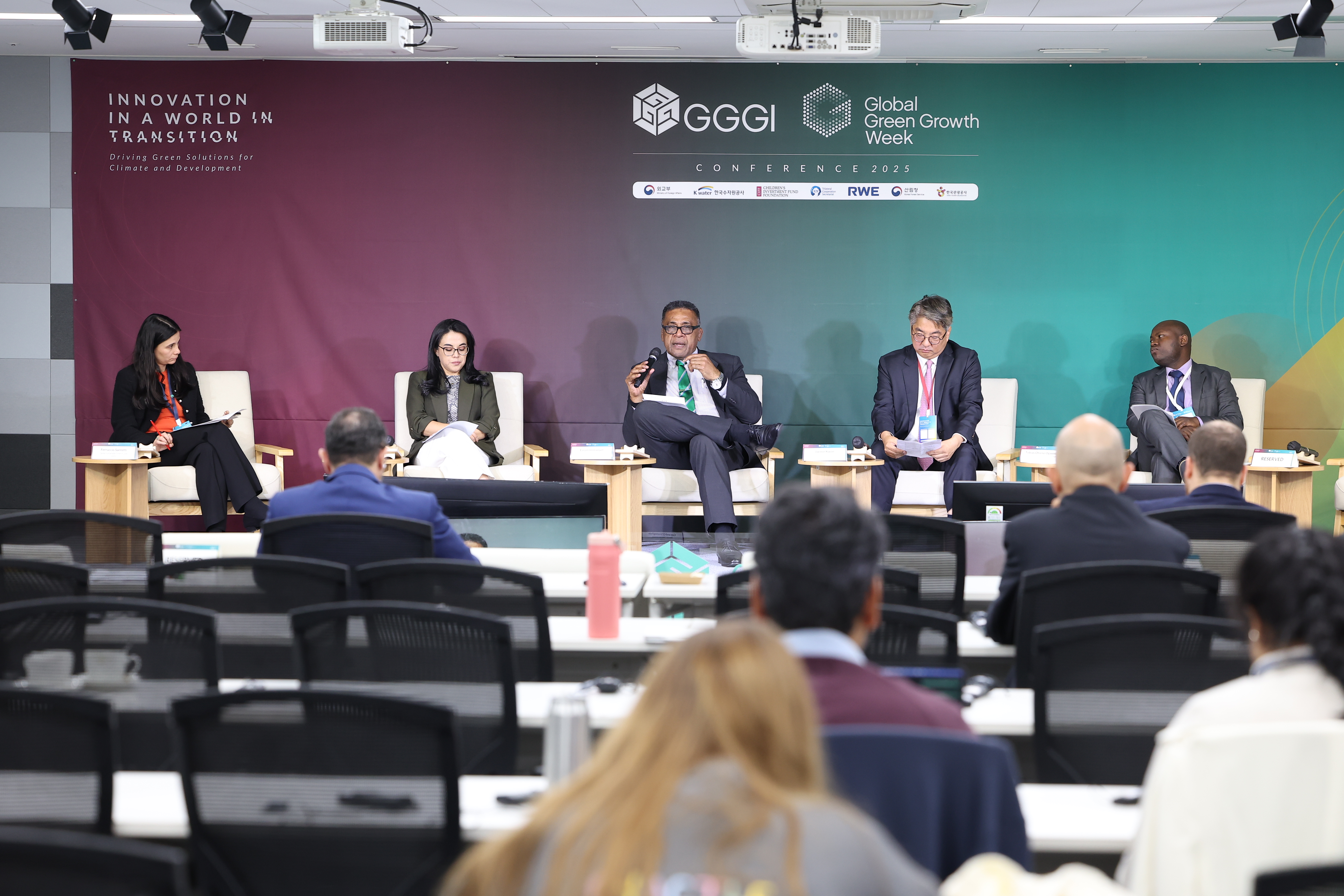


Inspired by the Global Green Growth Week Session 2025: Integrating Climate, Biodiversity, and Sovereign Debt Solutions
Seoul, 30 October — Global Green Growth Week (GGGI HQ)
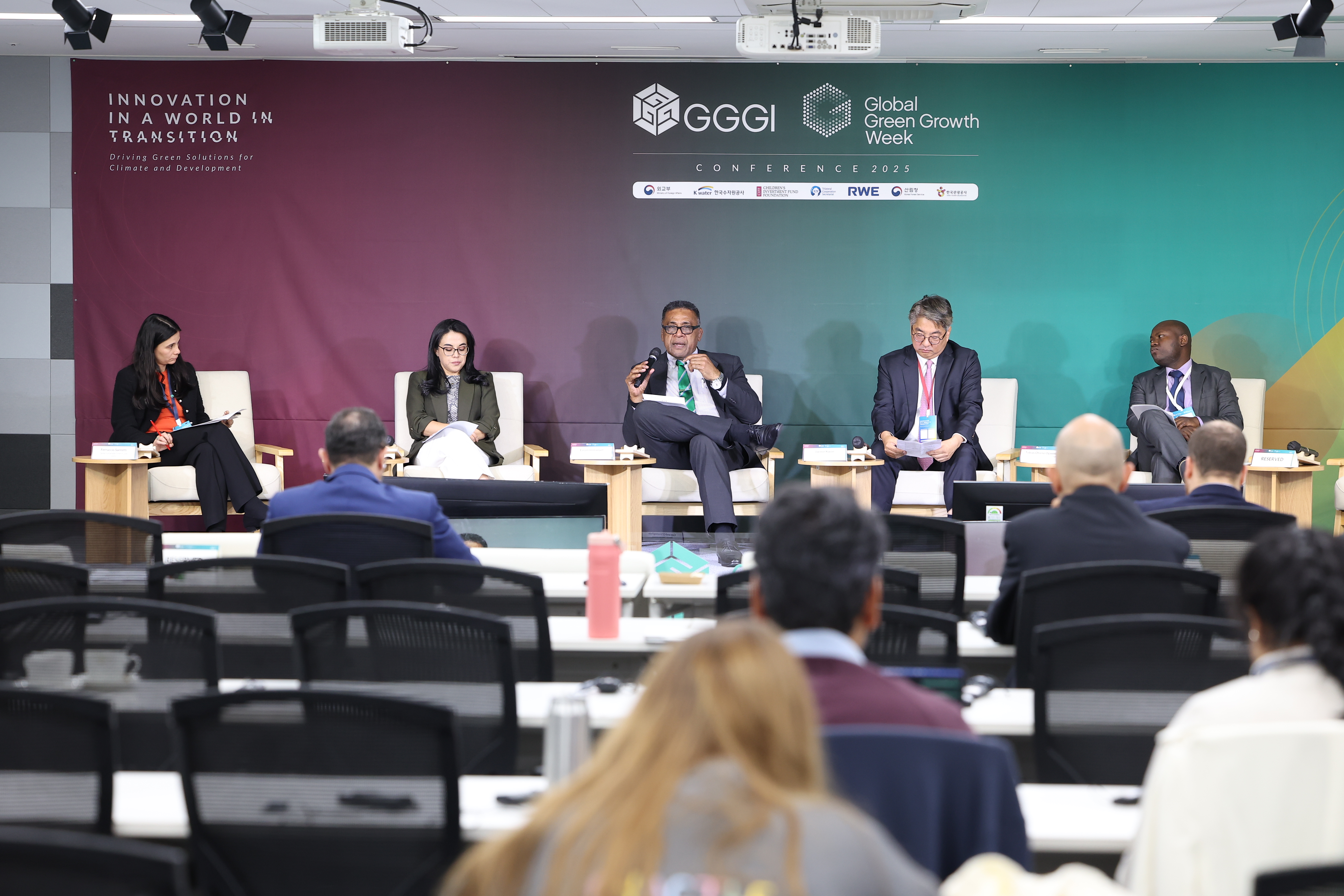
While infrastructure and public finance formed the foundational themes of the sustainable finance session, this closing panel on Sustainable Finance at GGGWeek pushed one step further: how countries can begin to break the “triple trap” of climate vulnerability, biodiversity loss, and unsustainable debt. The discussion remained focused on market-based, citizen-felt solutions, informed by practical cases from Ecuador, Fiji, Kenya, and the overarching view on innovative sustainable finance instruments of S&P Global Ratings.
Countries with the narrowest fiscal space, in which an ever-increasing proportion of national revenues are used to pay interest on national debt, are also the most exposed to climate hazards and nature shocks. Traditional disaster windows are too slow; debt service squeezes development spending; biodiversity loss erodes natural defenses and hinders productive assets. The panel’s working premise was simple: debt management, climate resilience, and nature protection can be designed as one system, not three parallel workstreams.
Ecuador’s approach: standards, innovation, and financial vehicles that endure
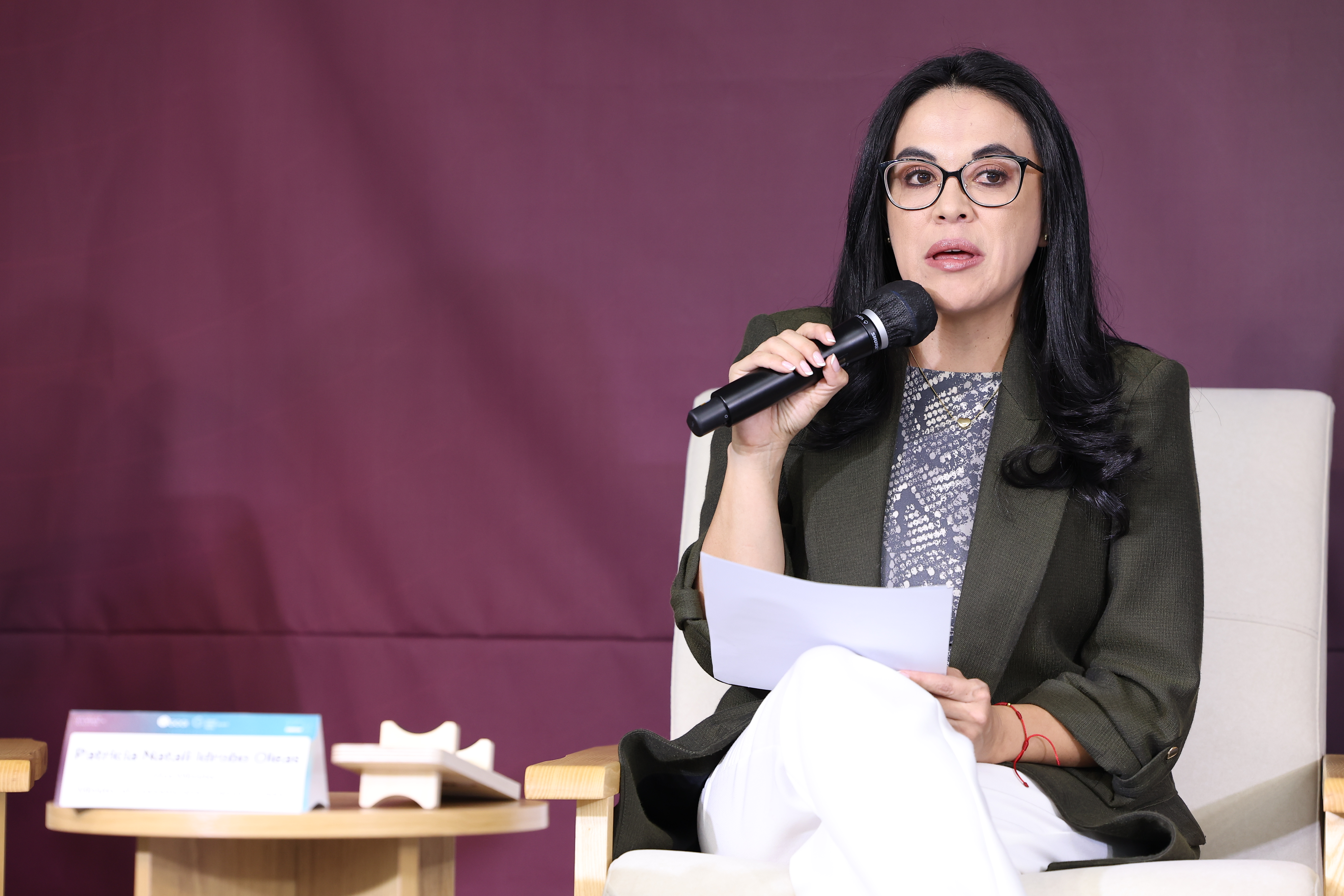
Patricia Natali Idrobo Oleas, Vice Minister of Economy and Finance, Ecuador, set out a disciplined sequence that has defined Ecuador’s approach. First came market-credible standards: the sovereign green bond framework launched in 2023, aligned with ICMA principles on transparency, eligibility, and impact reporting. Building on that foundation, Ecuador executed two landmark commercial debt-for-nature transactions, the Galápagos conversion in 2023 and the Amazon Biocorredor conversion in 2024, delivering long-term conservation finance while capturing fiscal savings in tandem.
She emphasized that durable financial vehicles are as important as innovative structures, pointing to independent conservation trust funds such as the “Galápagos Life Fund” and the “Fondo BioCorredor Amazonico”. The main purpose of these vehicles is to safeguard and steward the use-of-proceeds in benefit of the conservations commitments tied to the financial operation, with a structure that can endure political cycles in benefit of the natural ecosystems and their communities, while also securing public and private representation in their respective boards.
The next phase is project pipeline oriented: a national green taxonomy, a sustainable bond framework aligned to the IDB & WB Amazon Bond Guidelines as well as to additional novel market standards, to channel capital into projects with measurable environmental and social outcomes. The throughline was credibility: clear standards, innovative action, verifiable results, and financial vehicles design to stand the test of time in benefit of the nature impact zone and their communities.
GGGWeek 2025
Fiji’s layered model: turning debt into a resilience tool
For Esrom Immanuel, Assistant Minister for Finance and Strategic Planning, Fiji, the starting point is operational reality: climate shocks come faster than budgets can adjust.
Fiji has therefore built a layered risk-management portfolio. Parametric insurance covers farmers (notably sugarcane and rice) and welfare pensioners, with government-funded and insurer-subsidized premiums. Participation in the Pacific Catastrophe Risk Insurance mechanism provides immediate liquidity after major events. And the forthcoming Pacific Resilience Facility, a self-sustaining grant platform scheduled to begin payouts in 2026, will fund small, high-impact, community-led adaptation investments to build resilience before disasters strike.
Scaling such tools, he stressed, requires development partners and lenders to mainstream climate-resilient clauses and other risk-transfer solutions across new financing as standard practice. He also mentioned the importance of technical assistance, so instruments match local hazard profiles, turning debt from a vulnerability amplifier into a resilience tool.
GGGWeek 2025
Markets Seek Early and Open Engagement
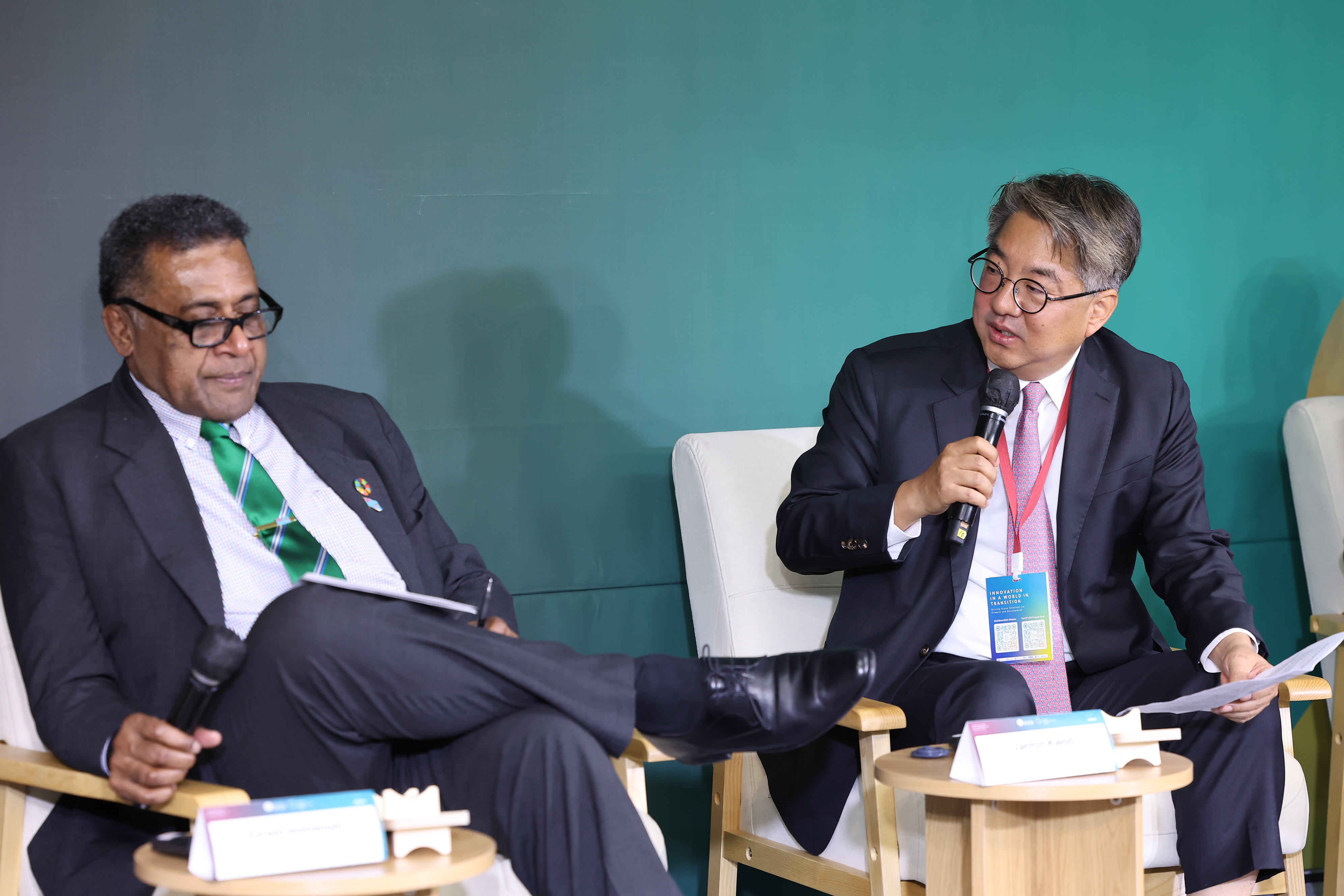
Jaemin Kwon, Korea Country Head, S&P Global Ratings, described how credit rating analysis is already integrating climate factors while retaining core financial fundamentals. Scenario analysis of transition and physical risk is woven into industry risk, competitive position, and forward cash-flow modeling. Incorporation depends on materiality by issuer and sector, balanced against liquidity, leverage, and execution risk.
Given inherent uncertainty over very long horizons, Kwon’s message was pragmatic: engage early and openly on innovative structures, including debt-for-nature swaps/conversions, sustainability-linked terms, or state-contingent features so that methodologies and treatment are clear ex-ante, reducing surprises and risk premia ex-post. “Please treat us (rating agencies) as a friend… we’re here to help,” he said, inviting dialogue that improves design and pricing.
GGGWeek 2025
Kenya’s approach: align debt, budgets, and local delivery
Tobias Otieno Ogweno, Head of the Environment and Climate Change Division, Ministry of Foreign and Diaspora Affairs from Kenya, linked fiscal soundness to inclusion, resilience, and environmental integrity. Kenya is aligning sovereign financing with sustainability outcomes and preparing their inaugural sustainability-linked bond whose terms are tied to measurable progress on renewable energy generation, forest restoration, and emissions.
On the budget side, the government has introduced climate budget tagging to identify, measure, monitor, and report climate-related expenditures; embedded climate and biodiversity risk screening into public investment management to ensure that major projects are climate-resilient and nature-positive in order to receive approval. He also emphasized how scaled Financing Locally Led Climate Action (FLLoCA) moves adaptation capital directly to counties and communities. Complementary measures include a green fiscal incentive policy, green public procurement, a green/blue bond policy framework, and a green taxonomy with climate risk disclosure, all designed to mainstream sustainability across debt management and capital markets. Ogweno also called for reform of global financial architecture.
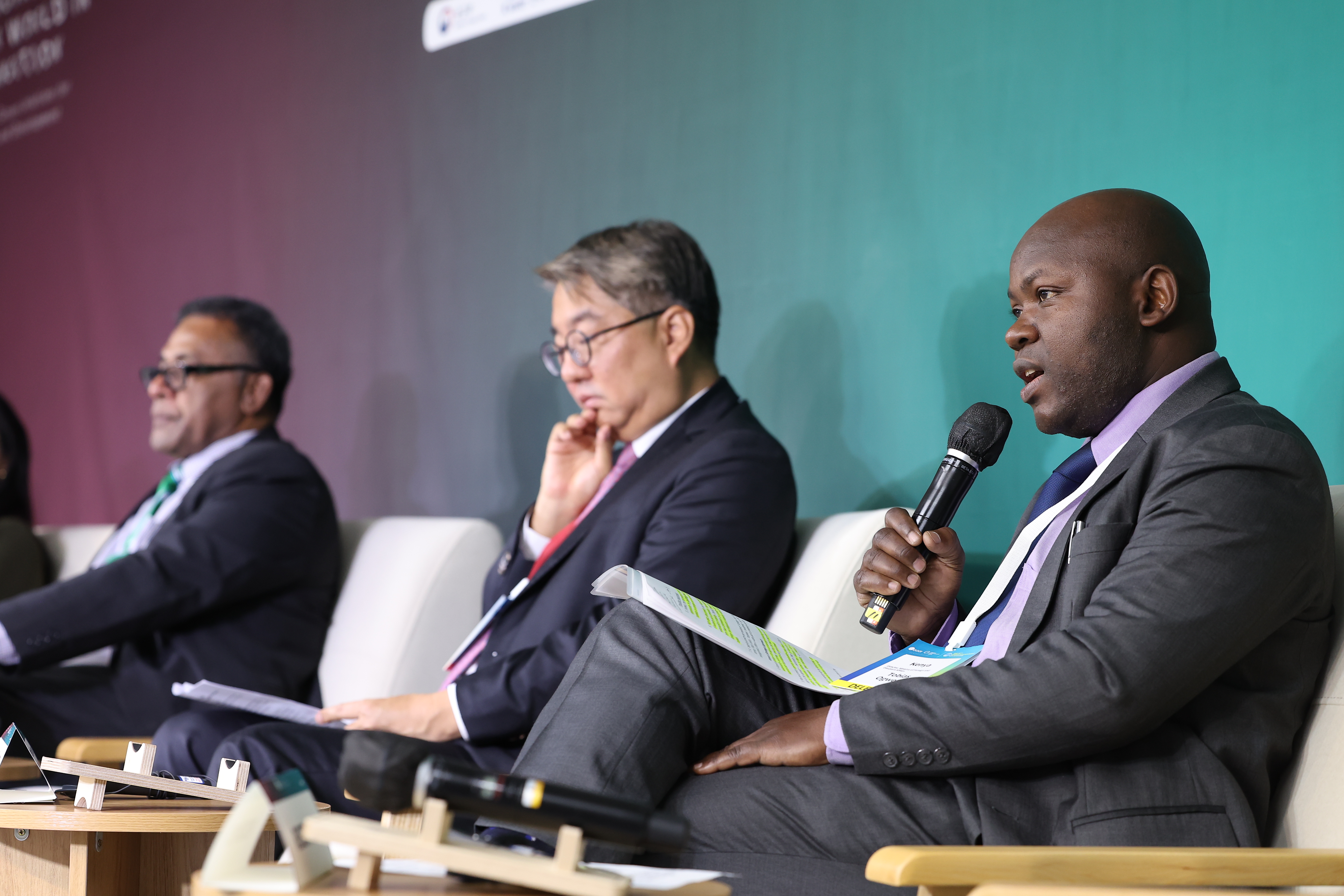
GGGWeek 2025
From Principles to Practice: Connecting Standards, Instruments, and Implementation
Across interventions, the sequence was strikingly consistent. Standards come first, including credible frameworks, taxonomies, or disclosure. Those standards must feed instruments and covenants the market can price: commercial debt-for-nature conversions with strong governance; sustainability-linked terms with verifiable SPTs/KPIs; parametric insurance that pays fast; and climate-resilient clauses that defer payments automatically after extreme weather events.
Instruments, in turn, must sit on reliable data powered by robust budget systems and planning processes that can track, report, and course-correct over the lifetime of the operation. The importance of climate-budget tagging, public investment criteria that favors lifetime resilience and sustainability over lowest upfront cost, and independent conservation trust funds that support non-bankable community-led nature projects and can endure political cycles has never been clearer. None of these instruments can scale without enhancing local capacity: bridging the gap between earth science and policy, community engagement, fiduciary control, and performance verification are not overhead; they are a crucial asset to leverage the financial architecture for the long-term benefit of the planet.
Photos @ 2025 Global Green Growth Institute
Watch the session recording: