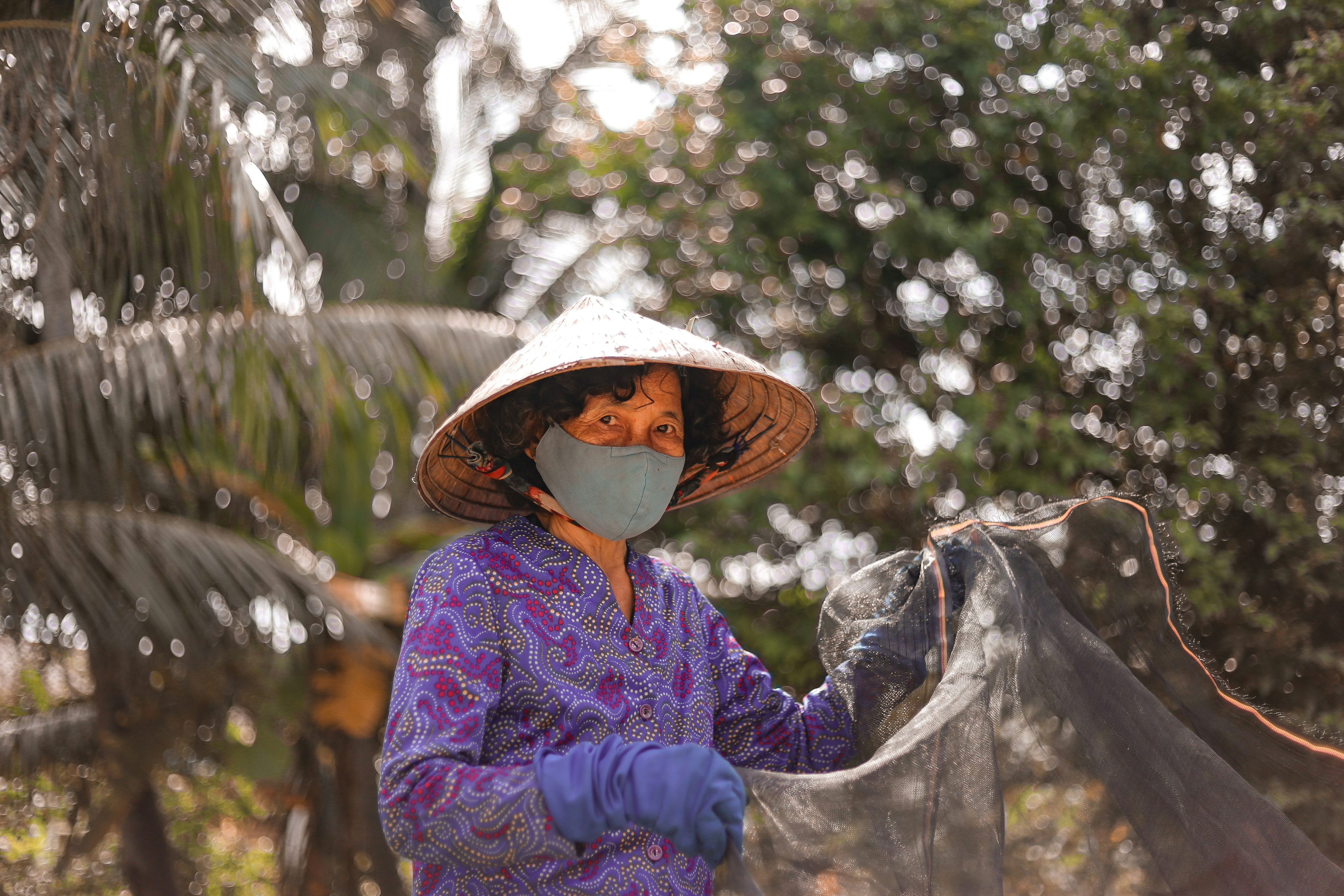


The blog is written following an interview with Dr. Olga Speranskaya, Co Director of HEJSupport for the project.
NIP Dialogue Series – Voices from the Countries
Gender equality is increasingly recognized as a critical factor in global chemicals and waste governance. While gender considerations are embedded in the text of multilateral environmental agreements (MEAs), practical integration at the national level—particularly within National Implementation Plans (NIPs) under the Stockholm Convention—remains limited.
In this edition of the NIP Dialogue Series, we spoke with Olga Speranskaya, Co-Director of Health and Environment Justice Support (HEJSupport). HEJSupport works with vulnerable communities and women’s groups in developing and transition countries. Dr. Speranskaya shared powerful insights on why gender matters in chemical safety, what meaningful integration looks like, and how governments and civil society can collaborate to close existing gaps.
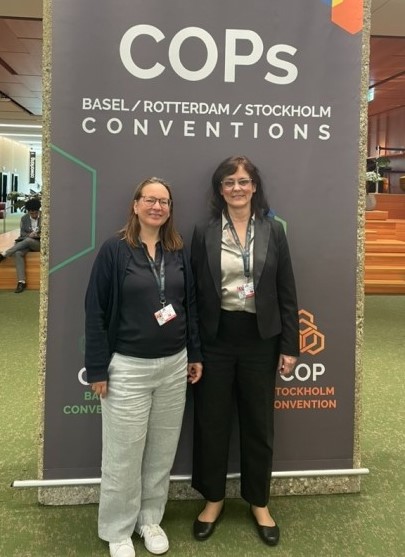
Why gender matters in chemicals and waste
“Gender equality is a fundamental human right,” said Dr. Speranskaya, referring to key international frameworks such as Principle 20 of the 1992 Rio Declaration, which recognizes women’s vital role in environmental management and development. This was later reinforced under Sustainable Development Goal 5, which calls for gender equality and empowerment in leadership and participation. Yet, gender remains under-addressed in chemicals and waste policy, despite overwhelming evidence that women face disproportionate exposure to hazardous chemicals. Speranskaya highlighted that women encounter over 160 chemicals daily through consumer products such as cosmetics, cleaning agents, and sanitation items, as well as through informal and domestic work. Their caregiving roles—particularly in environments where they use cleaning agents or are exposed to chemicals—can increase the likelihood of exposure. During pregnancy, women and their developing children are more vulnerable to the health effects of these exposures, which may also impact future generations “Many of the chemicals women are exposed to remain unregulated and unmonitored,” she said, “and their health impacts—especially reproductive and chronic effects—are often underestimated.”
From participation to influence: What gender integration really means
Dr. Speranskaya stressed that addressing gender in chemicals management must go beyond representation in workshops or participant counts. “It’s not just about presence—it’s about influence,” she said. She emphasised the Basel, Rotterdam, and Stockholm (BRS) Conventions, which took steps to mainstream gender. Beginning in 2012, a Gender Task Force was established, followed by the Gender Action Plan (2013) and the publication “Gender Heroes—Grassroots to Global Action,” which highlights stories of women leading action against chemical hazards. One success story came from Kazakhstan, where an awareness campaign informed mothers about toxic metals in children’s toys.
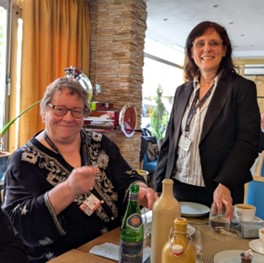
In 2017, the BRS COP formally recognized the importance of gender mainstreaming in its decision texts, reinforcing its place in the multilateral framework.
Furthermore, in 2023, the newly adopted Global Framework on Chemicals (GFC) included Resolution 4, which promotes gender equality and the empowerment of women and girls. Notably, Target 5 of the GFC calls for public education, awareness, and training on gender and exposure risks, with the aim of empowering women with knowledge and decision-making tools.
From governance to culture
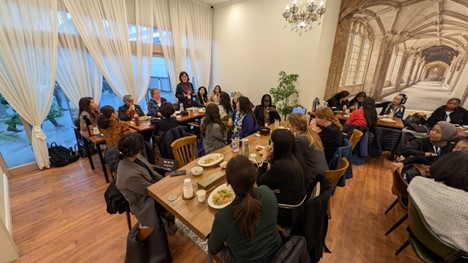
Despite efforts to integrate gender in global chemicals governance, real integration happens on the ground. According to Speranskaya, Parties to these MEAs and signatories to the GFC must take the lead in incorporating gender-sensitive approaches in national policy and NIPs. But structural change must be paired with cultural transformation. “It’s not just about mandating diversity”, she noted. “We must also create space where women feel empowered to speak, to act, and to lead.”
Low awareness of chemical exposure pathways among women is only part of the problem. A deeper challenge lies in enabling women to raise their voices, share experiences, and take initiative in decision-making spaces. Speranskaya emphasized that training to address both unconscious and conscious bias is essential, ensuring that women’s contributions are valued equally. Success stories of women leading change should be showcased regularly—not through one-off campaigns, but as part of a long-term effort to drive cultural shifts toward inclusion and gender equity in chemicals management.
“Change takes time, especially in transitioning economies”, Speranskaya noted. “That’s why it must be made visible, reinforced often, and embedded into ongoing policy and communication efforts.”
Bridging the data gap
While cultural change is essential, it must be supported by data that makes gendered exposure patterns visible and actionable. Without solid evidence, the risks women face in chemicals management—particularly in informal, low-paid, or underregulated sectors—remain hidden. As Speranskaya emphasized, bridging the data gap is not a technical issue alone; it's a foundational step toward enabling effective policy and inclusive cultural change. A persistent issue in chemicals and gender is the lack of gender-disaggregated data. Without this data, policies cannot fully account for gendered exposure and risks.
Speranskaya explained that occupational safety standards are often based on assessments of male population, underestimating risks for women. This leads to severe data blind spots—especially in sectors like cleaning, textile production, waste management, and beauty services—where women are heavily represented. In many formal workplaces, women are unaware of the chemicals they’re exposed to, and few regulations or safety standards are tailored to their roles. In informal settings, such as artisanal gold mining or plastic recycling, exposure is often unmeasured and unregulated.
The International Labour Organization (ILO), in its 2023 report “Exposure to hazardous chemicals at work and resulting health impacts: A global review”, underlines that chemical exposure among women is dramatically increasing but remains largely underestimated. It calls for gender-specific interventions and improved monitoring.
Speranskaya identified four critical data areas where progress is needed:
- Chemical exposure in home and workplace settings
- Gender-specific health impacts, such as chronic disease and reproductive effects
- Socioeconomic data that intersects with gender in chemical-related employment
- Behavioral data, reflecting tasks and roles that influence exposure (e.g., cleaning, caregiving, recycling)
“Gender-disaggregated data is not just a research exercise—it’s a tool for smarter, more equitable policy. It helps prioritize resources, protect the most vulnerable, and build inclusive national strategies,” she explained.
Practical examples and lessons from the field
In various countries, civil society and community actors are stepping in to address gender and chemical safety, even in the absence of formal national policies. In Sweden, gender is integrated into national chemicals and waste management, in line with the country’s overarching gender equality policy that mandates the inclusion of gender perspectives across all areas of governance. In Kenya, women farmers are trained on pesticide safety. In Armenia, the NGO Armenian Women for Health and Healthy Environments raises awareness among rural women about the effects of highly hazardous pesticides on their health and their children.
“These initiatives might not be embedded in official policy, but they’re incredibly powerful” , Speranskaya said.
Meanwhile, sectors like textile manufacturing remain overlooked, despite their heavy reliance on female labor under poor occupational conditions. Women in these roles are often low-skilled, less literate, and at risk of losing their jobs if they raise safety concerns. “It’s tragic—many women endure exposure for the sake of income, especially if they are primary breadwinners.”
The invisibility of chemical exposure is another issue. Unlike infectious diseases, the symptoms of chemical exposure are often subtle or delayed, making it harder to recognize or acknowledge the connection. High-risk sectors also include agriculture, plastics recycling, artisanal gold mining, and beauty salons, where low-income and migrant women are disproportionately affected.
A way forward for NIPs
Transforming gender dynamics in chemicals management requires structural and cultural change. Policies must ensure not only representation but genuine participation and influence. Empowering women through capacity-building, bias training, and leadership development is crucial. And civil society has a pivotal role in this process. Speranskaya concluded with four key considerations to be for countries reviewing or updating their National Implementation Plans (NIPs).
- Collect and apply gender-disaggregated data to support evidence-based policy
- Ensure women’s representation and leadership at all levels of decision-making
- Partner with civil society and women-led organizations to reach affected groups
- Ensure ongoing training and capacity-building for all stakeholders to keep gender integration active beyond project cycles
“Women are not only among the most exposed to harmful chemicals,” she concluded. “They are also central to shaping safer, more resilient systems. If empowered with the right knowledge and tools, they become agents of change—not just for their own health, but for entire communities.”
To watch the full interview, please follow this link: Series of NIP Dialogues. Why gender matters in chemicals management?
To learn more about the Global NIP Update project, visit Global NIP Update | Green Policy Platform
For further information or inquiries
Policymakers or technical teams interested in learning more about gender integration on the ground or seeking collaboration under similar initiatives are encouraged to reach out to:
- Ms. Olga Speranskaya, Co-Director, HEJSupport - olga.speranskaya [at] hej-support.org (olga[dot]speranskaya[at]hej-support[dot]org)
 | Ms. Olga Speranskaya, Co-Director, HEJSupport |
 | Ms. Anastasiya Buchok, Senior Project Associate (GGKP, GGGI) |
 | Ms. Yeoeun Shim, Knowledge management and capacity building support (GGKP, GGGI) |