

NIP Dialogue Series – Voices from the Countries
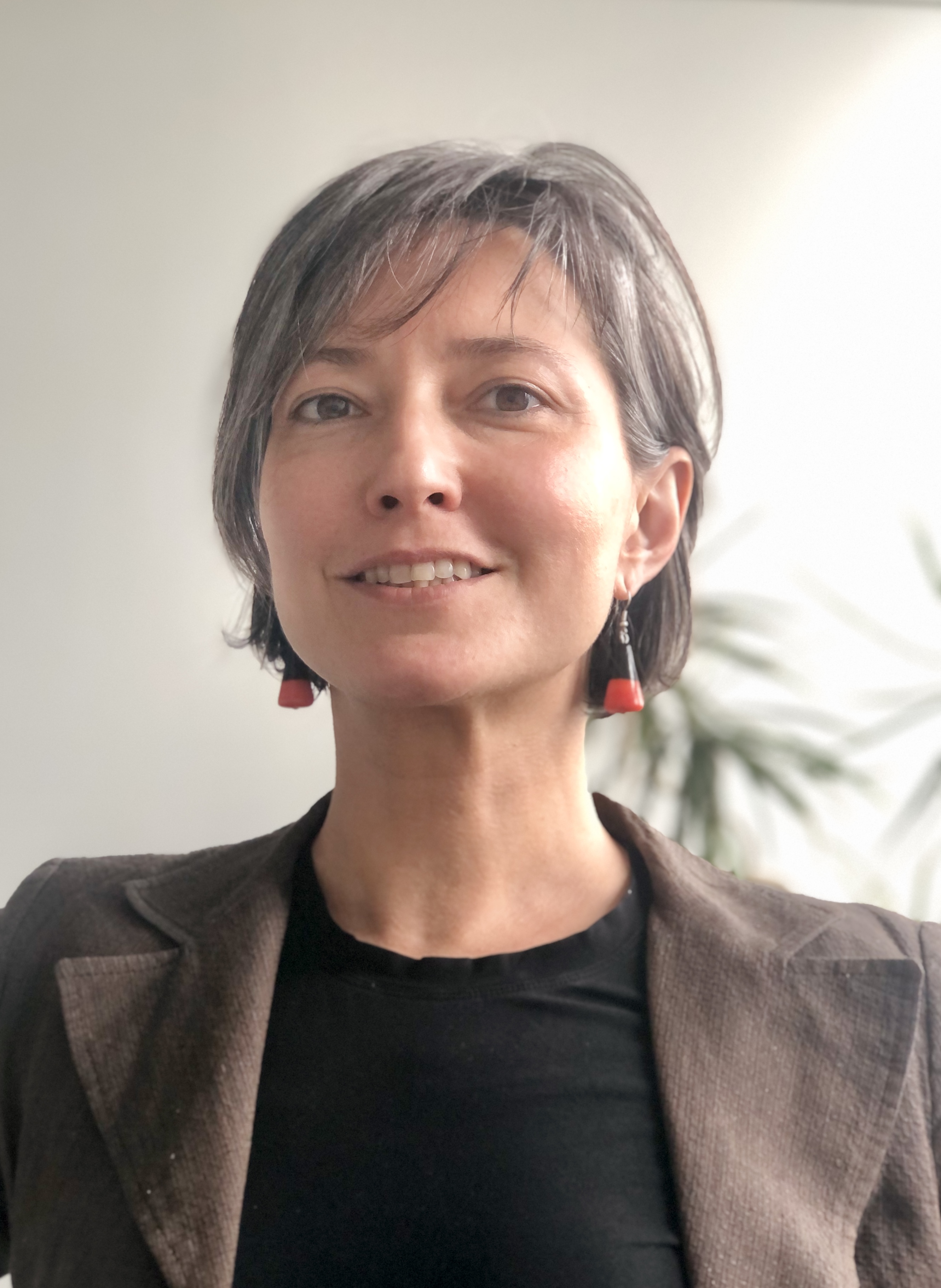
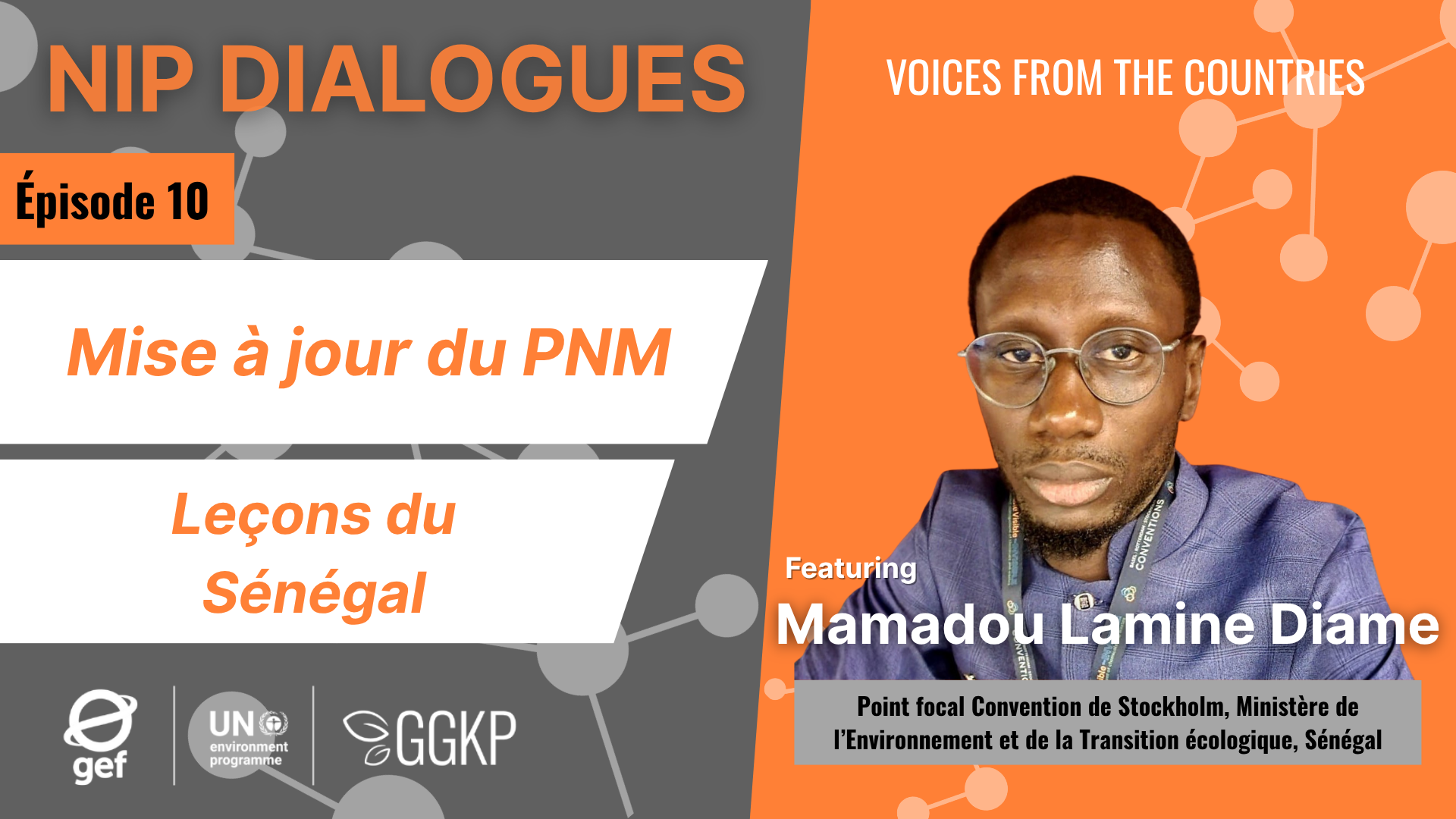
This blog post draws on an interview with Mamadou Lamine Diame, Stockholm Convention Focal Point, Ministry of Environment and Ecological Transition of Senegal. The interview is part of the NIP Dialogues Series under the Global NIP Update project (GEF ID 10785), funded by GEF and led by UNEP.
Dakar, Senegal – January 2026
Over three National Implementation Plan (NIP) cycles, Senegal has expanded its inventories, strengthened its legal framework and built a coordination structure that brings together government technical departments, the private sector, research institutions, NGOs and local communities. Mamadou Lamine Diame, Stockholm Convention Focal Point, Ministry of Environment and Ecological Transition of Senegal, provided an update on progress made by Senegal since the first NIP, how inventories are maintained and validated, the national priorities identified, and the relevant actions guiding the country in fulfilling its obligations under Stockholm Convention.
Tracking progress across three NIP cycles
Senegal developed its first NIP in 2006, covering the original 12 persistent organic pollutants (POPs). The inventories carried out at that time identified sites contaminated by pesticides such as dieldrin and aldrin.
Following the amendments made to the Stockholm Convention’s annexes through the fourth, fifth and sixth Conferences of the Parties (COPs), Senegal updated its NIP in 2016, adding substances, including polybrominated diphenyl ethers (PBDEs), polychlorinated biphenyls (PCBs) and perfluorooctane sulfonic acid (PFOS). This revision highlighted the progress made by Senegal in the management of POPs, particularly pesticide POPs, as well as in strengthening its legal and regulatory framework.
In 2021, Senegal began the second review, constituting its third NIP. The inventories compiled as part of this review focused, amongst others, new POPs such as Dechlorane Plus, perfluorooctanoic acid (PFOA), hexabromocyclododecane (HBCD) and polychlorinated naphthalenes (PCNs) to the inventory, examining different sectors across transport, plastics, electrical and electronic equipment, as well as construction and furniture.
Early identification of contaminated sites fed into both remediation efforts and stronger regulations. Senegal adopted a Prime Ministerial Decree in 2008 banning the import, production and use of substances covered by the Stockholm Convention at that time. Dichlorodiphenyltrichloroethane (DDT) and PCBs have been prohibited in Senegal since 2008, alongside other regulatory measures.
Three levels of national coordination
Senegal put in place a coordination mechanism that operates at three levels for the NIP update. The first level is a team of experts responsible for carrying out the inventories: one expert covers POP pesticides and unintentional POPs (UPOPs), another focuses on flame retardants and PCBs, and a lead expert coordinates the inventories and other sectoral studies and oversees the drafting of the NIP document.
Data collection follows the value chain, tracking how substances move through the economy. While imports for certain POPs, such as PCBs, have been banned since 2008, companies are not yet required to declare new POPs such as per- and polyfluoroalkyl substances (PFAS). When necessary, however, authorities may ask the private sector to provide them with the lists of chemical composition.
For POP pesticides, the inventory targeted importers, producers, distributors and major users such as farmers, requesting information on active ingredients, countries of origin and annual quantities used. UPOPs were assessed using the Stockholm Convention Toolkit for the inventory of UPOPs from the main source categories.
Regarding the inventory on flame retardants, data from UN Comtrade and other technical services such as customs and trade were used to estimate quantities of imported articles likely to contain these substances (electrical and electronic equipment, vehicles, plastics, furniture, paints and varnishes) over a ten-year period from 2014 to 2024. For PCBs, the inventory focused on the electricity sector, across the national electricity company and a few private companies that use transformers, which may contain PCBs.
At the second level, a technical committee brings together the focal point and the institutions directly concerned with POPs – ministries of agriculture, industry, health and energy, and customs. This technical committee carries out an initial consistency check before the documents are submitted to the steering committee.
At the third level, a steering committee chaired by the National Chemicals Management Commission, established in 2002, carries out a second validation. This commission includes representatives from the private sector, NGOs and technical services. Following these steps, the inventories are submitted to the Basel and Stockholm Conventions Regional Centre to complete the validation process.
Priority actions
Senegal identified five priority actions in its current NIP, three of which are highlighted by Mamadou Lamine Diame. The first is strengthening detection at entry points. As new POPs are often embedded in products – such as electrical equipment, upholstery, vehicles and plastics – rather than traded as standalone chemicals, Senegal believes that strengthening technical capacity is necessary to detect these substances before they enter the country.
The second priority is to prevent contamination of sites by POPs. Informal dismantling of old vehicles, some potentially containing POPs, takes place at unregulated sites. Establishing approved centres for end-of-life vehicle dismantling is therefore considered urgent.
The third is eliminating PCBs and ensuring the environmentally sound management of PCB-contaminated waste. Inventories identified transformers still in service or in storage that predate 1990-1993 and may contain PCBs. An elimination plan has been prepared, covering quantities of dielectric liquids and waste contaminated by PCBs. Eliminating these wastes in an environmentally sound way is also important to meet the Stockholm Convention’s 2028 deadline.
Strengthening the legal framework
“The updated NIP has indeed called for, or recommended, the strengthening of the legal framework.” – Mamadou Lamine Diame
Senegal’s Environmental Code is the main legal instrument governing chemical imports, border entry and product declarations. Additional regulations also support POPs control. An order on reducing ozone-depleting substances requires full information on the composition of imported electrical and electronic equipment, while another rule limits imported vehicles to those 10 years old or less, as older vehicles are more likely to contain POPs such as flame retardants.
As part of the current NIP update, a draft decree has been developed to specifically address POPs listed in the Stockholm Convention’s annexes. It will automatically include the new POPs added to the annexes of the Convention at the 2027 COP. This decree is expected to be finalized and implemented before the end of 2026.
Awareness-raising at the regional level
As part of the NIP review process, four awareness missions were carried out in selected regions, targeting market gardeners who regularly use pesticides and local administrative services. These efforts aimed to strengthen the knowledge of regional technical services and farmers regarding POPs, considering that there are regional entry points for chemicals and plastic products beyond the capital.
“The idea was to raise awareness among these regional technical services as well as farmers in the regions who often handle chemical products, so they can better understand the issues related to POPs.” – Mamadou Lamine Diame
These missions also allowed to actually see what substances are used on-site. Empty containers, labels and technical sheets were reviewed to check whether the products used contained POPs or were based on POP-related substances.
Lessons from Senegal’s NIP update
Mamadou Lamine Diame highlighted two lessons for countries updating their NIPs. The first is to involve all relevant stakeholders. In Senegal, data were collected, reviewed and validated by different technical services, enabling cross-checking and improving reliability. When estimating vehicle imports over a given period, for example, transport services can verify and confirm numbers found in the UN Comtrade databases.
The second is to involve local communities. End users of pesticides, such as farmers and market gardeners, are directly affected by measures that a NIP update may lead to. Informing and consulting them throughout the process helps ensure that the resulting regulations are better understood, accepted and applied.
Senegal’s experience shows why reliable inventory data and meaningful stakeholder engagement matter for effective POPs management. As POPs are increasingly found embedded in articles rather than traded as chemicals, inventory work needs to reflect how these substances move through the economy across different sectors, drawing on input from multiple stakeholders and institutions for effective data collection and validation.
For regulations to be better understood and applied in practice, chemicals end users and local communities should be consulted and informed throughout the process. POPs management is a collective journey that requires sustained action across government, the private sector and local communities. With efforts aligned at different levels, Senegal is responding to evolving POPs challenges.
To watch the full interview, please follow this link: https://youtu.be/62v8R2S8aog
To learn more about the Global NIP Update project, visit Global NIP Update | Green Policy Platform