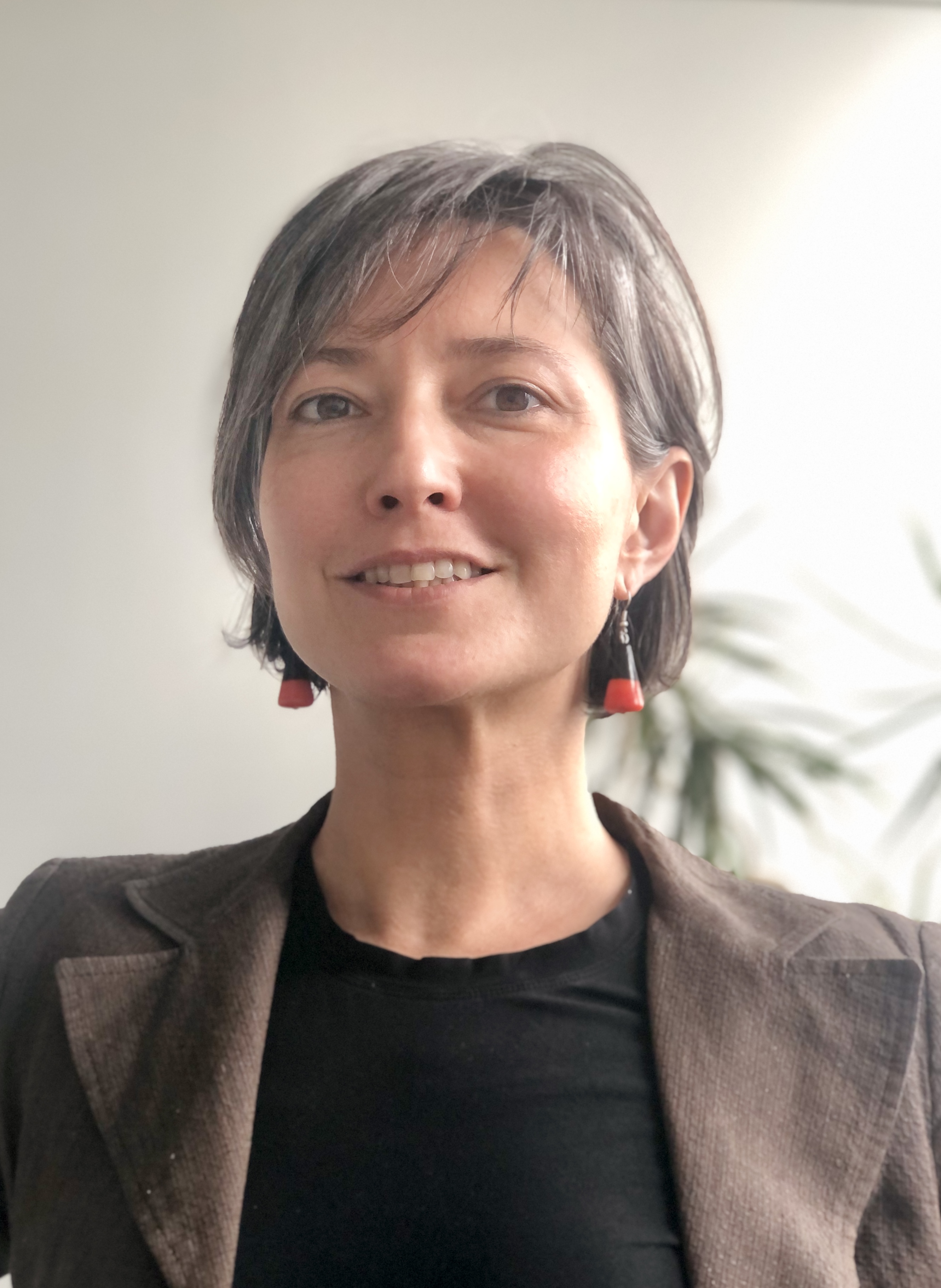


This blog post draws on the presentation and remarks of Gohar Khojayan, IPEN Co-Chair and Communication Specialist, Armenian Women for Health and Healthy Environment (AWHHE), delivered during the GGKP webinar Activity Options for Action Plans on Cross-Cutting Issues of Specific Stockholm Convention Articles, held on 24 February 2026.
Persistent organic pollutants (POPs) are among the most hazardous chemicals in the world. Addressing their impacts requires both strong international agreements and practical action on the ground. While the Stockholm Convention provides the global framework for eliminating or restricting these substances, effective implementation depends on how countries translate these commitments into national policies and local engagement.
In Armenia, civil society organizations are helping bridge this gap by raising awareness about POPs, supporting government initiatives and ensuring that communities understand the health and environmental risks posed by these chemicals.
Civil Society engagement in POPs governance
Armenian Women for Health and Healthy Environment (AWHHE) works to protect the health of women and children while addressing environmental pollution and chemical risks. It focuses particularly on the health impacts of hazardous chemicals, including their carcinogenic, neurological and endocrine-disrupting properties.
AWHHE also promotes the participation of women in decision-making processes and works to empower women at the community and policy levels.
The organization collaborates closely with the Armenian government and serves as an NGO focal point for the Stockholm Convention. It is also a member of the National Steering Committee responsible for supporting the implementation of the Convention. Through this collaboration, civil society contributes to the development and implementation of national strategies to address POPs.
Currently, AWHHE is engaged in awareness-raising activities as part of a GEF Enabling Activity project supporting the review and update of the National Implementation Plan (NIP) for the Stockholm Convention in Albania, Armenia and Kazakhstan. These efforts aim to inform the public about newly listed POPs and strengthen understanding of their risks.
Gohar Khojayan highlighted: “As a women’s organization working for the health of women and children, our major concern is the health impact. In all our materials, we highlight the health impacts of each and every one of these POPs.”
Making information accessible
Public awareness is essential for improving chemicals management, yet information about hazardous chemicals is often confined to technical reports or international languages that are not easily accessible to local communities.
To address this gap, AWHHE has developed and distributed a range of information materials in Armenian that explain the characteristics, uses and health impacts of POPs. These include a booklet on the implementation of the Stockholm Convention, as well as leaflets describing the properties and risks of chemicals such as polybrominated diphenyl ethers (PBDE), polychlorinated biphenyls (PCBs) and endosulfan, alongside information on the list of POPs under the Convention.
The materials emphasize the environmental persistence and potential health effects of these substances, including poisoning risks and long-term impacts. By presenting this information in the national language, the initiative helps ensure that communities, students and other stakeholders can more easily understand the risks associated with POPs and the importance of addressing them.
Engaging young people
Raising awareness about chemicals safety is especially important among younger generations. Interactive tools can make complex scientific concepts easier to understand and more engaging.
One such tool is the “Next Exit” chemical safety game, an educational escape-room style activity designed to teach participants about hazardous chemicals and environmental risks. The game was originally developed in English, which initially limited its accessibility. To make it more inclusive, a presentation was developed in Armenian to introduce the game and explain its concepts. This approach enables participants with basic English knowledge to take part.
The activity has been conducted with secondary school students aged 10-16 in villages outside the capital, including Nigavan in Aragatsotn province and Arzakan in Kotayk province. It has also been used with NGO representatives at the Yerevan Aarhus Center.
Interactive activities like this demonstrate that raising awareness can be both educational and engaging. They encourage participants to think critically about chemicals safety and environmental protection.
Reaching key stakeholders
Awareness-raising efforts extend beyond schools to engage stakeholders whose work and daily activities are closely connected to chemical use and exposure. Seminars have been organized for students at the College of Agriculture in Spitak in Lori province, young women farmers in Aratashen in Armavir province, and students at Erebuni Medical College in Yerevan.
Each of these groups encounters chemicals in different ways. Agricultural students and farmers face potential risks from pesticide use and obsolete stockpiles, while medical students need to understand the health impacts of chemical exposure.
By tailoring outreach activities to these specific audiences, awareness initiatives can focus on the issues most relevant to each group and help strengthen understanding of chemical risks and safer practices.
Expanding outreach through webinars
Digital communication tools are helping expand awareness-raising efforts across Armenia. Webinars allow experts to connect with participants in different regions, including remote areas that may otherwise have limited access to educational activities.
Participation levels vary depending on the format. In some locations, only a small number of participants may join individually online. In other cases, participation increases when the webinar is projected in a classroom or community space, allowing many people to attend together. This approach has enabled entire classrooms to participate in discussions about chemical safety and environmental protection.
By combining online technology with in-person participation, these hybrid formats make it possible to reach broader audiences.
Raising awareness through media engagement
Awareness-raising also extends beyond educational activities. Information about POPs and environmental pollution is shared through websites, social media platforms and national media outlets.
Media engagement can be particularly effective when it is linked to real-world environmental events. For example, air pollution caused by the burning of a landfill in Yerevan recently raised public concern about environmental health risks.
During this incident, experts discussed the potential release of toxic substances such as dioxins and explained the health implications of these pollutants through national television coverage. Such moments provide an opportunity to connect current events with broader issues related to chemicals management and environmental protection.
Translating global agreements into national action
In Armenia, collaboration between government institutions, regional centres and civil society organizations demonstrates how global commitments can be translated into practical action.
Through educational campaigns, community engagement and media outreach, awareness-raising initiatives are helping ensure that people understand the risks associated with POPs and the importance of reducing exposure to hazardous chemicals. These efforts show that effective chemicals management begins with informed and empowered communities.
To learn more about the Global NIP Update project, visit Global NIP Update | Green Policy Platform.
For a deeper dive into the GGKP webinar Activity Options for Action Plans on Cross-Cutting Issues of Specific Stockholm Convention Articles, you can access the full recordings and materials here.
This article was curated by Mark Schulman, Content Editor, GGKP, and reviewed by Soomin Bae, Project Support Consultant, GGKP.