

Inspired by Global Green Growth Week 2025 Session: Unlocking Subnational Financing for Climate and Development Outcomes
Seoul, 30 October — Global Green Growth Week
The conversation opened against a shifting global financial landscape. At the Fourth International Conference on Financing for Development (FFD4), governments and financial institutions acknowledged that international financial architecture is not delivering climate and development finance at the scale or speed required. With an estimated USD 4 trillion annual gap to achieve the SDGs, rising debt vulnerabilities, and intensifying climate impacts, the emphasis has moved from new commitments to implementation. The central question guiding this session was how to ensure that finance reaches the level where climate action is executed in practice—within municipalities, national development banks, utilities, and local governments.
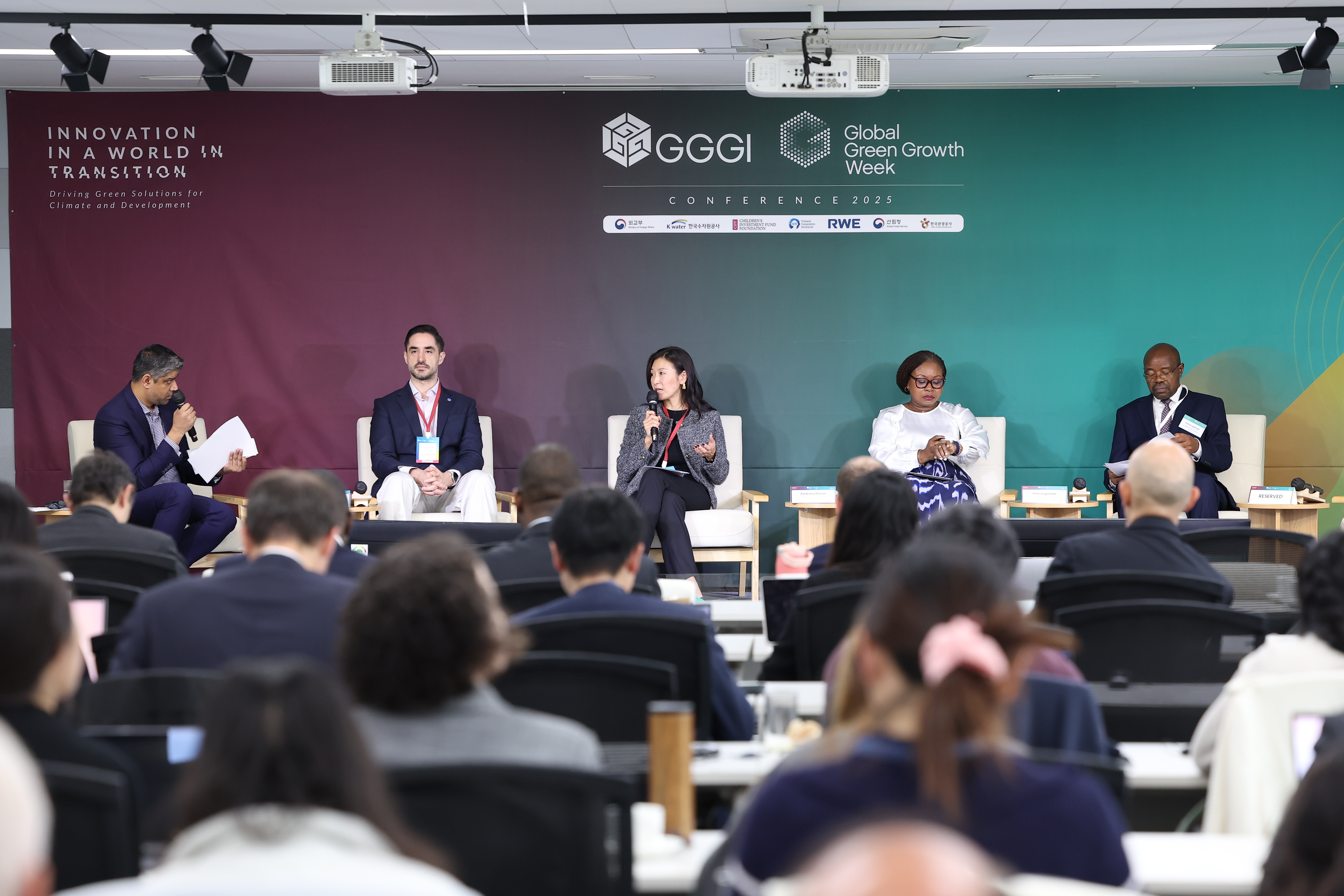
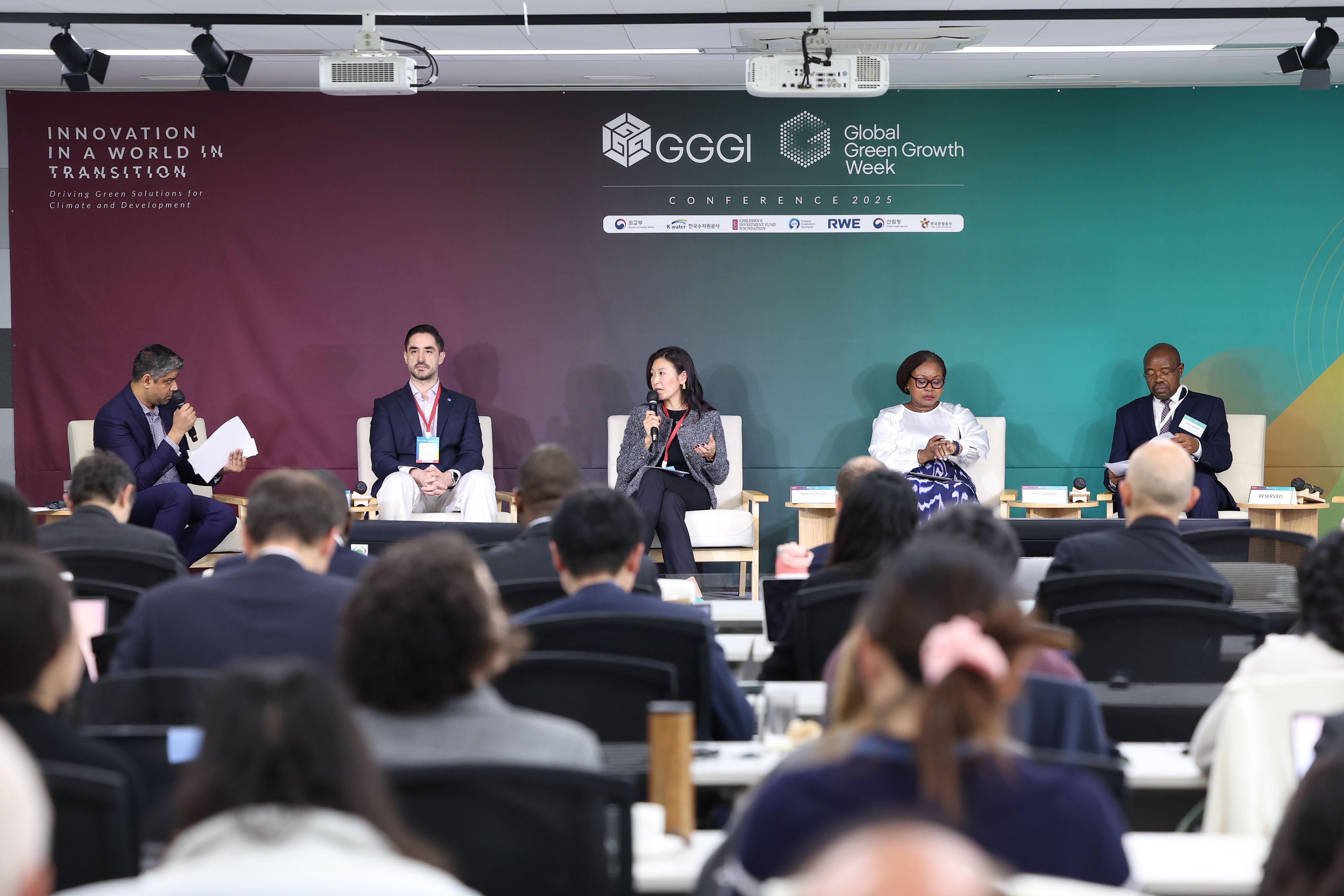
This panel, the first in the Sustainable Finance session, examined how countries are developing systems to enable subnational institutions to mobilize climate finance, build investable pipelines, and reduce financing costs. Ferruccio Santetti, Regional Director for Latin America and the Caribbean, GGGI, opened by encouraging a candid and practice-oriented discussion: “Ask uncomfortable questions. We want this to be honest, operational, and useful.”
Finance as an Enabler, Not the End Goal
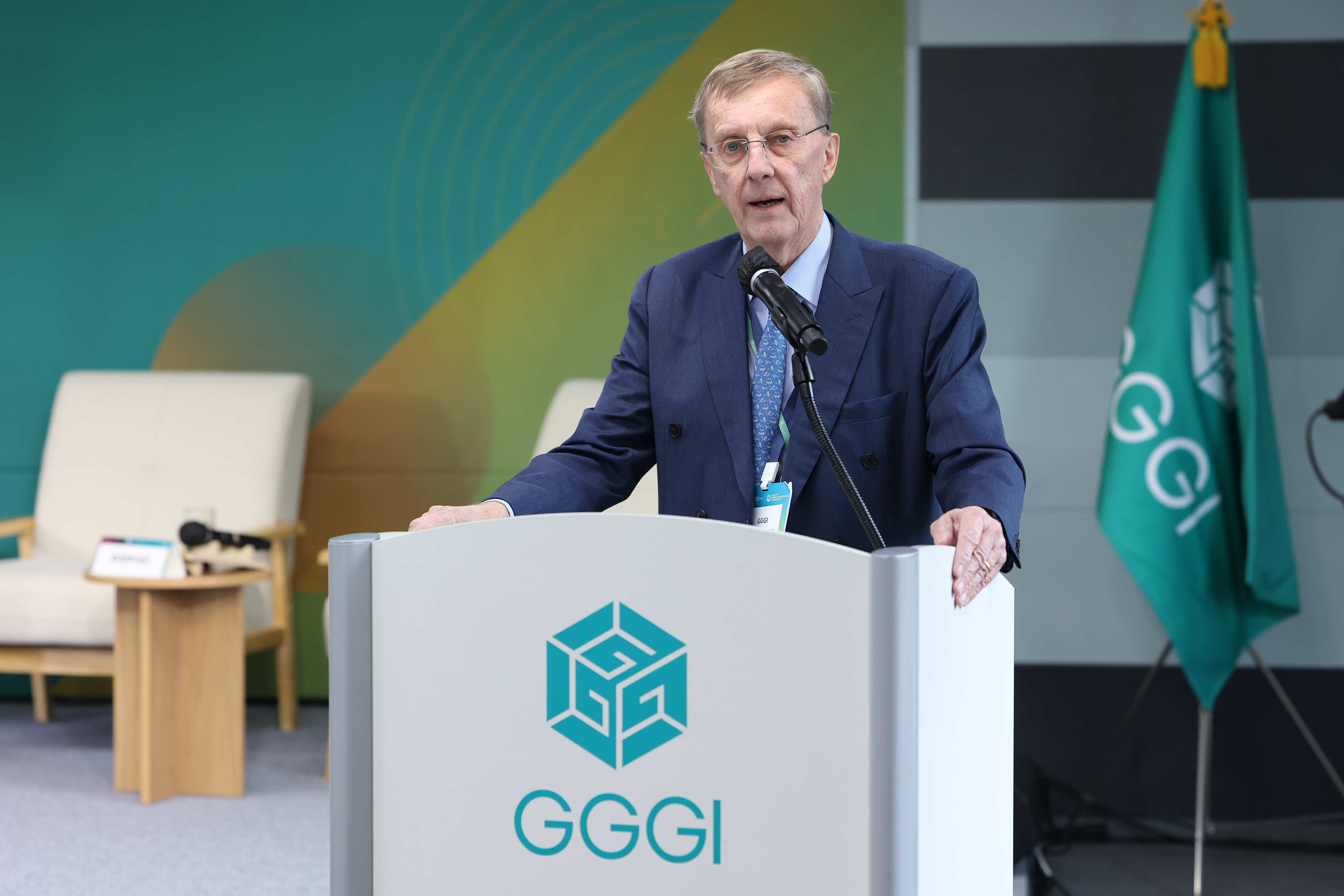
Gerard O’Donoghue, Deputy Director-General for Green Finance and Corporate Services, GGGI, underscored a point that framed the entire conversation: climate finance is a means to an end.
“Finance is not the end goal. Raising finance is not the end goal. Finance is the means to deliver clean energy, resilient infrastructure, forest protection, food security, and inclusive jobs.”
He reaffirmed GGGI’s commitment to working alongside governments to translate climate policies into bankable projects. Since 2017, the organization has facilitated the mobilization of more than USD 15 billion in climate-aligned investment—an experience now informing efforts to decentralize financing capacity to subnational institutions.
GGGWeek 2025
Subnational Finance as the Foundation of Climate Delivery
As moderator Gulshan Vashist, Head of Finance Strategy and Cooperation, GGGI, highlighted that many climate-critical services—forestry, agriculture, water management, waste systems, and municipal infrastructure—are delivered locally. Yet subnational institutions that provide a decisive role to deliver these services frequently face limited capacity to raise long-term affordable capital, standardized data, outdated regulations, and credit enhancement tools and authorization to issue debt instruments.
The panel therefore focused on institutional, regulatory, and technical conditions that enable subnational financing systems to function effectively.
Case Insights from Benin, Uganda, Central America, and China
The session moved from principles to practice through three institutional pathways—sovereign credibility, budget-embedded climate governance, and MDB catalytic blending—each demonstrating what it means to make climate finance operational at the level where projects are delivered.
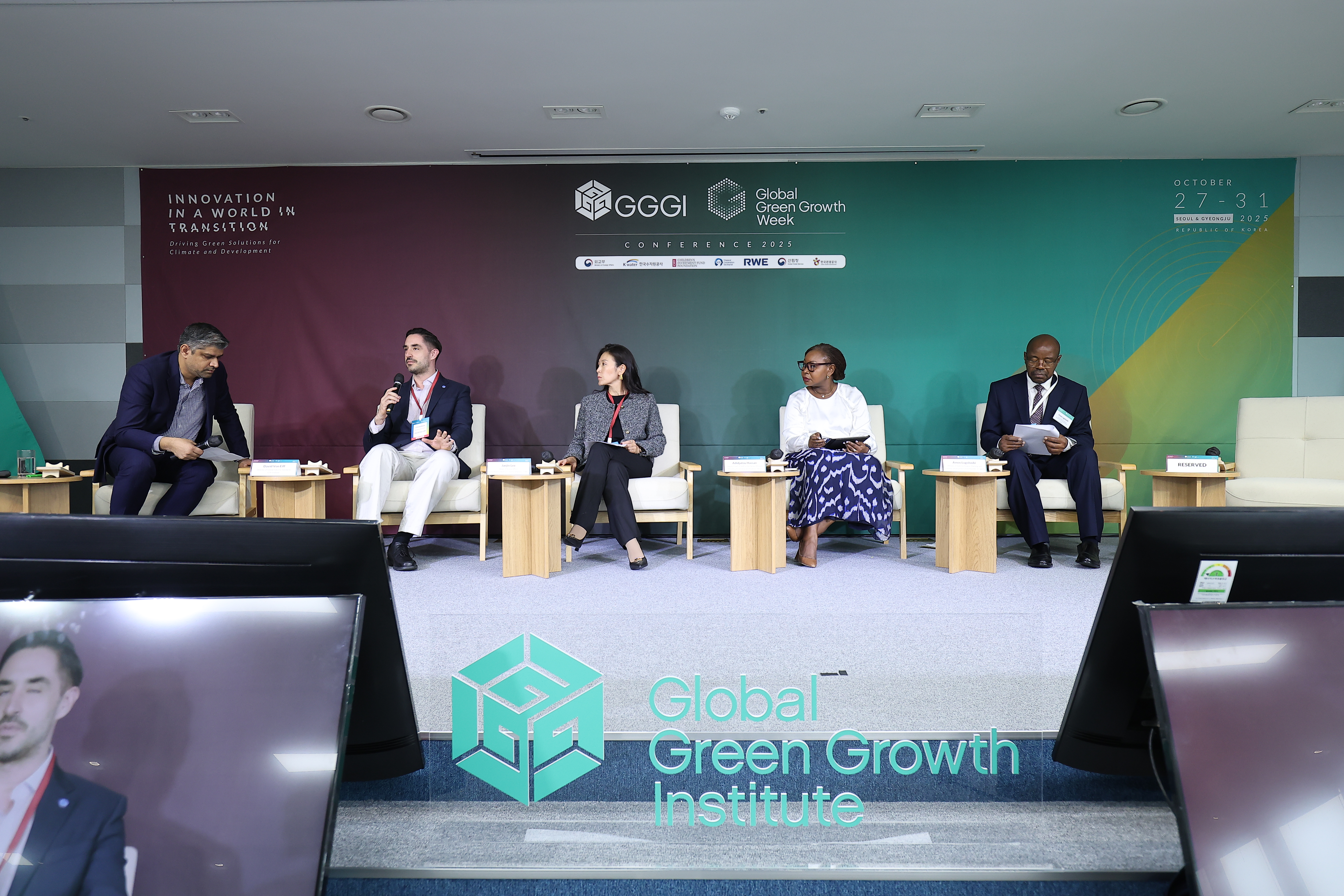
Adidjatou Hassan, Deputy Chief of Staff to the Senior Minister of Economy and Finance and President of the National Carbon Projects Registration Authority described how Benin, spent nearly a decade building the fiscal and governance backbone required for sustainable finance to function. The USD 500 million SDG bond issued in 2021, followed by the AfDB-guaranteed SDG loan in 2023, were not isolated transactions but the product of a policy-budget-debt alignment system: the national development plan, public investment plan, and sovereign debt strategy are mapped directly to SDG targets.
“All budgets in Benin are aligned with the SDGs, and local authorities follow the same,” Hassan explained. To prevent “green labeling without integrity,” Benin established a National Carbon Project Registration Authority through presidential decree. The Authority ensures that every climate-linked project, whether public or private, meets recognized international methodologies, guaranteeing verifiable mitigation outcomes before credits or financing can be issued. This system builds trust not just with investors but within Benin’s own state apparatus, making climate finance traceable from issuance to allocation, implementation and finally impact reporting.
Uganda´s experience shows how climate financing can be mainstreamed into central planning instruments. Hon. Amos Lugoloobi, Minister of State for Planning from Uganda explained that situating the Climate Finance Unit (CFU) directly within the Ministry of Finance embeds climate considerations across macro-fiscal decisions, procurement, revenue planning, and budget ceilings. It also allows climate finance to move through the same channels as health, agriculture, or infrastructure spending rather than sitting in isolated projects.
The CFU operationalizes the national Green Taxonomy, ensures climate screening across ministries and district authorities when developing spending plans, and maintains a 2.5% contingency allocation within the national budget specifically for climate-related disasters such as landslides in Mount Elgon.
“Positioning the Climate Finance Unit within the Ministry of Finance is strategic,” Lugoloobi said. “It gives climate action direct entry into budget planning, resource mobilization, and national coordination.”
Uganda is now preparing to issue its first sovereign green bond, backed by the institutional capacity developed through the CFU.
Turning to the multilateral development bank lens, Jaejin Lee, Head of Korea Office, Central American Bank for Economic Integration (CABEI), described how MDBs can absorb early-stage risk to allow municipalities and national development banks to borrow at reasonable terms.
The USD 266 million Central American Dry Corridor Program, co-financed with the Green Climate Fund, combines concessional financing to sovereign and sub-sovereigns, guarantees, and technical assistance to extend long-tenor financing to climate-vulnerable municipalities.
“Concessional finance, de-risking instruments, and technical assistance must work together,” Lee noted. “It is the combination—not any one tool—that allows subnational actors to enter the market.”
Finally, David von Eiff, Director of Global Industry Standards, CFA Institute, emphasized that green finance scales only when data systems and taxonomies are local enough to be used by the institutions that lend. Drawing from the Huzhou Green Finance Pilot Zone in China, he explained how digital project-matching platforms reduced transaction friction dramatically:
“Project proposals posted by SMEs were automatically matched to banks based on sector and green taxonomy criteria, reducing search time from weeks to days.”
Capacity building followed a sequenced architecture from municipal officials to banks, then to SMEs, and eventually to households. “The enabling policy environment is one of the most important parts,” he reflected. “Standardization must be local enough to be usable.”
GGGWeek 2025
Core Insight: Financial Flows When Institutions Work
The panel revealed a clear pattern across all interventions:
National credibility—reflected in aligned planning, budgeting, and reporting—creates the foundation for sustainable investment.
Subnational mandates, skills, and autonomy are essential for translating national priorities into implementable projects.
Blended finance and MDB de-risking only work when these institutional foundations are strong.
Scaling finance is less about inventing new instruments and more about making existing ones usable at the level where delivery happens.
Toward COP30: Delivering Results Through Subnational Readiness
The session closed with a shared recognition that the architecture for subnational climate finance is already emerging but now requires consolidation and scale. Countries are not waiting for global consensus; they are building taxonomies, planning tools, national financing vehicles, and disclosure systems that enable climate investment to flow domestically. The work ahead involves reinforcing these institutions, deepening market access, and demonstrating verified results.
The panel left a clear message heading toward COP30: progress will be measured not by announcements, but by executed transactions, credible reporting and verified impacts, and reduced cost of capital. Subnational readiness is where climate ambition becomes a delivered impact.
GGGWeek 2025
Photos @ 2025 Global Green Growth Institute
Watch the session recording: