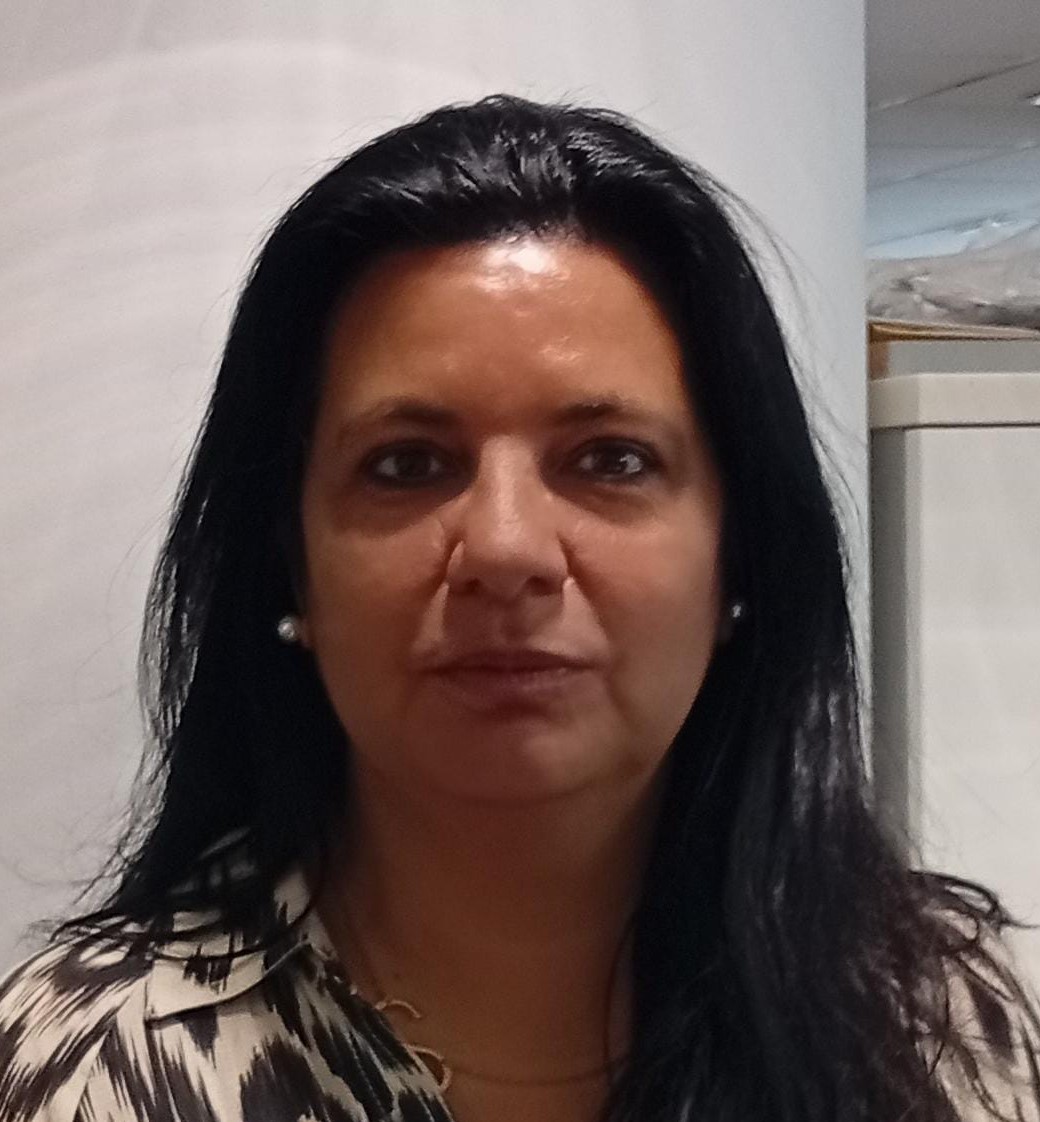


This blog post is based on the presentation and remarks by Silvana Martinez, Director of the Division of Circular Economy and Sustainability, Ministry of Environment, Uruguay, delivered at the GGKP webinar Making Data Work: Applying GMP and POPs Inventories for Evidence-Based Policy in NIPs, held on 30 January 2026.
Data generated under the Global Monitoring Plan (GMP) and through national inventories of persistent organic pollutants (POPs) provide a foundation for evidence-based policymaking and stronger National Implementation Plans (NIPs) under the Stockholm Convention. Uruguay’s experience shows how monitoring and inventory processes can translate into concrete regulatory reform, institutional coordination and long-term environmental governance.
National context: Agriculture and chemicals management
Uruguay is a country of 3.5 million inhabitants, with almost 90% of its territory dedicated to agricultural activity. Agriculture represents between 6-7% of GDP, while agro-industry contributes 13-14%. In this context, National policies related to the management of chemical substances (agrochemicals and other chemicals substances) are particularly important.
From data collection to strategic planning
The preparation of Uruguay’s action plans began with a comprehensive review of available information. The GMP was one of the primary sources, alongside national environmental strategies, including waste management policies, the circular economy strategy and the national environmental plan for sustainable development.
After verifying and reviewing this information, Uruguay compiled its national POPs inventory. The inventory helped to identify priority areas, highlight gaps and determine where action needed to be reinforced. Based on these findings, targeted action plans were developed.
Silvana Martinez highlighted: “Once the Ministry of Environment had the inventory, were identified the points to be addressed and where the government needed to reinforce efforts, and from there, were prepared different action plans.”
Alignment with broader environmental policies was a key objective. Five strategic lines of action were defined to deepen Stockholm Convention implementation. These focus on strengthening sustainable management of priority chemicals and products, reinforcing agrochemical management, and preventing and minimizing emissions and transfers of POPs to the environment.
Additional attention was given to microplastics, nanoplastics and chemicals of concern in plastics, particularly in light of emerging international instruments. A cross-cutting action plan on awareness raising, education and capacity building supports implementation across all areas.
Assessing effectiveness and building capacity
Monitoring and inventory development have enabled Uruguay to assess the effectiveness of measures adopted under NIPs. As the country proceeds with the third update of its NIP, baseline data generated through GMP participation allow for the evaluation of progress and policy impact over time.
Participation in GMP-related initiatives also strengthened national capacity. Previously, Uruguay lacked sufficient infrastructure to monitor and analyze POPs across different environmental matrices. Through these projects, the country improved laboratory infrastructure, analytical expertise and access to technical training. Engagement in international networks facilitated knowledge exchange and supported the transfer of analytical capacities.
The inventory process also played a critical role in prioritization. By clarifying which substances were present and where, authorities were able to determine which regulatory actions should be prioritized.
Strengthening institutional coordination
Preparing the inventories fostered interinstitutional and multidisciplinary coordination. Various governmental institutions collaborated to define strategic directions and build shared ownership of POPs management.
At the same time, the process revealed structural gaps. Limited consolidated information on POPs highlighted the need to establish a Pollutant Release and Transfer Register (PRTR) and an environmental observatory on substances. The observatory is intended to anticipate and prepare for the incorporation of substances both under the Stockholm Convention and other international agreements.
For a small country, this forward-looking approach is essential to avoid lagging behind global regulatory developments.
Regulatory reforms
Inventory findings directly informed regulatory strengthening. Since 2013, Uruguay has regulated obsolete agrochemicals and pesticides under an extended producer and importer responsibility framework, ensuring environmentally sound management.
In 2021, a decree limited emissions from stationary and mobile sources and introduced monitoring requirements for dioxins and furans from activities such as waste incineration, clinker production and final disposal sites. In 2025, a 1979 regulation on pollution prevention and water quality conservation was updated to include controls on several POPs in surface water, groundwater and sediments, including many POPs listed up to 2025.
Regulations adopted in 2024 on electrical and electronic equipment introduced extended producer responsibility and addressed polychlorinated biphenyls (PCBs), followed by complementary provisions on vehicle batteries. A regulatory framework for construction and demolition waste was also developed, considering the management of contaminated materials. Similarly, prior analysis of contamination linked to vehicle waste generated information to support future regulatory frameworks.
The unintentional emissions inventory identified open burning and waste incineration processes as significant sources of pollution. In response, Uruguay incorporated dioxin and furan control requirements into monitoring programs under its national ambient air quality policy. Parallel efforts aim to improve household waste management and reduce informal burning practices, including the burning of electrical and electronic waste.
Action plans for long-term sustainability
To identify environmental liabilities and define roadmaps for their management and elimination, it is important to systematize information sources to facilitate regular inventory updates and strengthen controls on the import of banned or regulated substances.
Uruguay’s action plans include building national capacity for the safe recycling of plastics containing POPs, promoting cleaner technologies to reduce unintentional emissions from open burning and advancing public private financing plans for sustainable agricultural systems.
Drawing on the experience gained through GMP participation, Uruguay aims to create new monitoring networks and reinforce both environmental monitoring and occupational health surveillance. The PRTR and environmental substances observatory are expected to be fundamental for public awareness and strategic research.
Uruguay’s experience demonstrates that when monitoring data and inventories are embedded within broader policy frameworks, they become powerful tools for regulatory reform, institutional strengthening and more effective environmental management.
To learn more about the Global NIP Update project, visit Global NIP Update | Green Policy Platform.
For a deeper dive into the GGKP webinar Making Data Work: Applying GMP and POPs Inventories for Evidence-Based Policy in NIPs, you can access the full recordings and materials here.
This article was curated by Mark Schulman, Content Editor, GGKP, and reviewed by Soomin Bae, Project Support Consultant, GGKP.