This the virtual collaboration space for the Implementing Sustainable Low and Non-Chemical Development in Small Island States (ISLANDS) Programme. ISLANDS supports thirty-three Small Island Developing States (SIDS) in the Caribbean, Pacific and Indian Ocean to pursue safe chemical development pathways.

Upcoming Events

ISLANDS: Implementing Sustainable Low and Non-Chemical Development in Small Island States

Pinned post
Green Growth Knowledge Partnership(GGKP)

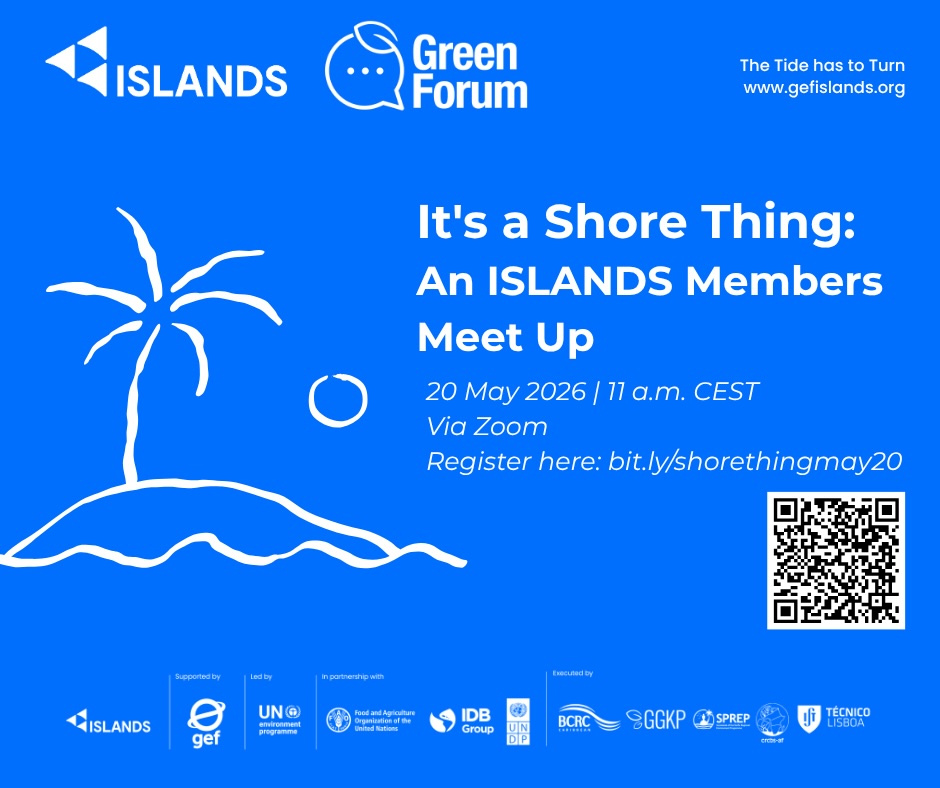
Small Island Developing States (SIDS) are on the frontlines of the global pollution  crisis but they are also leading the way with innovative, practical solutions. How can stronger knowledge sharing and collaboration accelerate action across islands? 📅 25 March 2026, 2-3 p.m. Read More

A post is already pinned to this stream. Would you like to replace it?

Pacific Large Ocean, Small Islands Developing States (PSIDS) Raise their Voices at the UN Ocean Conference in Lisbon.

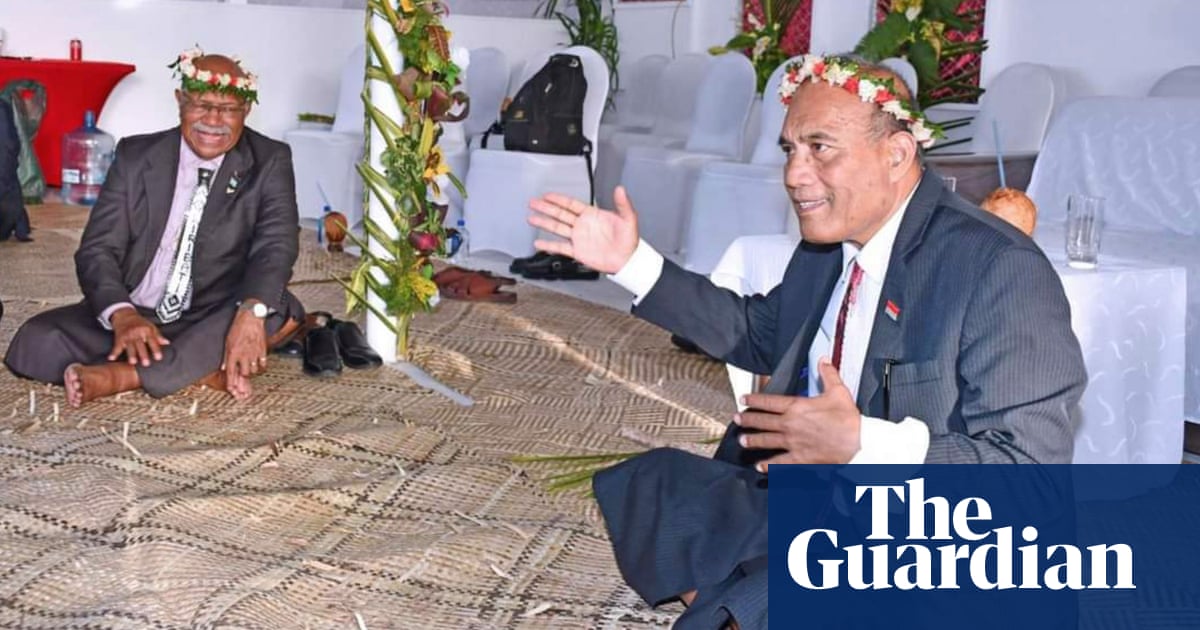
During the first interactive panel on marine pollution, Prime Minister of Tonga, Hon. Siaosi Sovaleni, who spoke on behalf of PSIDS, stressed the need of tackling plastics pollution through a global agreement covering the whole life cycle of plastics.

“We are deeply concerned about compounding risks due to the accelerating rate of toxic plastic production and consumption and we strongly urge support for the development of National Plastic Prevention Plans with measurable and time-bound targets and consider supporting legislation to phase out problematic plastics,” said Prime Minister Sovaleni.

The Pacific islands region is grossly and disproportionately affected by the impacts of plastic pollution - but plastics is a threat everywhere on the planet. To all our community members:
- How is plastics pollution worsening your quality of life?
- How do you think we should address this issue globally?
- Which actions you take on your daily life to reduce plastics consumption?

Read More

https://www.sprep.org/news/threat-of-plastic-outweighing-fish-by-2050-heavy-on-pacific-leaders-minds...

What could be the consequences of deep sea mining in the Pacific?

Blue Peril is a film providing a visual investigation of the waste and sediment that deep sea mining operations would create, and of how they will affect marine life and livelihoods for costal communities in Pacific Islands.

At present, contractors are only authorised to “explore” large areas of the seabed, but the mining could begin very soon - under the promise of extracting precious material useful for the green energy transition (e.g. for batteries). However, the governments of Palau, Fiji, Samoa, and Micronesia as well as many civil society organisations in the Pacific have been calling for a ban on deep sea mining.

“How can a few minorities decide what’s good for the whole of humanity when the majority are locked outside the door? We need space for dialogue and to be heard,” said Tita Kara from the Civil Society Forum of Tonga.

Community members in the Pacific, what's your take on deep sea mining?

Read More

https://pasifika.news/2022/12/blue-peril-reveals-how-deep-sea-mining-would-impact-pacific-islands/
https://vimeo.com/776999013

  The Stockholm Convention (SC) on Persistent Organic Pollutants (POPs) is a global treaty to protect human health and the environment from POPs, chemicals that can be transported over great distances, persist in the environment, accumulate in the fatty tissue of humans and wildlife, and have… Read More

Basel Convention Regional Centre for Training and Technology Transfer for the Caribbean(BCRC-Caribbean)

  The Stockholm Convention (SC) on Persistent Organic Pollutants (POPs) is a global treaty to protect human health and the environment from POPs, chemicals that can be transported over great distances, persist in the environment, accumulate in the fatty tissue of humans and wildlife, and have… Read More

Basel Convention Regional Centre for Training and Technology Transfer for the Caribbean(BCRC-Caribbean)

  The Stockholm Convention (SC) on Persistent Organic Pollutants (POPs) is a global treaty to protect human health and the environment from POPs, chemicals that can be transported over great distances, persist in the environment, accumulate in the fatty tissue of humans and wildlife, and have… Read More

Basel Convention Regional Centre for Training and Technology Transfer for the Caribbean(BCRC-Caribbean)

What is the Blue Tech for Waste Challenge? It is a great opportunity for companies or individuals to propose innovative solutions to reduce environmental pollution. The Inter-American Development Bank (one of the Implementing Agencies of the ISLANDS project in the Caribbean) has thrown down the challenge and fifty proposals were submitted, 6 of which have been chosen for further financing and development. Read more about these exciting initiatives in the link.

Read More

https://www.iadb.org/en/news/idb-lab-announces-results-bluetech-waste-challenge

Everybody knows we are facing environmental problems left right and centre. That is bad but it is also mobilizing people and organisations to action in innovative ways. I like the animated initiatives that are springing up around the world, like this one – ‘Keepers of the Land: The Curious Case of the Contaminated River’ authored by UNEP. Would love to other ideas like this posted here.

Read More

https://wedocs.unep.org/handle/20.500.11822/37844

Can plastics in the Pacific be considered waste colonialism?

Yes, according to a group of researchers from the University of Newcastle. Personally, I tend to agree, considering that Pacific island are import-dependent countries and have to deal with a huge amount of plastics although as little as 1.3 percent of it originates there.

In fact, due to their location, pacific islands have been excessively and unfairly impacted by plastic waste. Waste colonialism has had an adverse impact on the spiritual, cultural, social and economic connection the pacific people have with their ocean homeland.

Making the rights and needs of Indigenous people a priority, rather than the interests of settler-colonizers and commercial corporations, is essential to turning the tide of plastic pollution and putting a stop to plastic dumping.

“Pacific peoples have the solution, and they have the science, they have managed and protected their ocean for thousands of years.”

Thank you Brittany King for sharing!

Read More

https://www.ecowatch.com/indigenous-solutions-plastic-pollution-oceans.html

LEARNING WITH ISLANDS 1

The ‘Small Islands Voice’ initiative, (SIV) started in 2002 and was focused on small island developing states and islands with other affiliations in the Caribbean, Indian Ocean and Pacific regions. The aims were to combine new information and communication technologies with print, radio, television and other media for LEARNING WITH ISLANDS’ (LWI)’. The objective was to develop and implement a global circular 2030 economy incorporating the behavioral topics of placemaking, belonging and sustainability, which define biocultural nativeness (Daniel Lewis).

Educational self-organisation was promoted by SIV for the effective participation of the general public in the local processes of sustainable development. The term self-organization refers to the ways in which individuals organize their communal behavior to create global order by interactions amongst themselves rather than through external intervention or instruction. In a rapidly changing world people learn with islands not about islands. Now, the rapid transition towards a global circular economy (CE) entails transformative and system-wide changes, implying involvement, alignment, and cooperation between all stakeholders in all places at all levels. The practical theme is ‘MAKE YOURSELF AT HOME’ (MYAH) where the local environment is interrogated to highlight the good things and improve those that are bad.

A ‘SMALL ISLAND PEDAGOGY’ (SIP), for LWI, which integrates SIV, and MAYAH with CE, is key because it imparts a way of knowing which affects what we come to know and apply in our day to day lives.

Read More

https://sites.google.com/view/gomyah/home

Pacific Youth Turning the Tide on Plastics and Marine Litter

Have you ever taken part in a Coastal Clean-up Day? Do you know what the tide Turners movement is? Read the press release below to see how ISLANDS Pacific is supporting youth to take action against plastic pollution.

Would you like to participate in future Tide Turners activities? Feel free to contact me or Dave Chung!

Read More

https://www.greengrowthknowledge.org/news/pacific-youth-turning-tide-plastics-and-marine-litter