This the virtual collaboration space for the Implementing Sustainable Low and Non-Chemical Development in Small Island States (ISLANDS) Programme. ISLANDS supports thirty-three Small Island Developing States (SIDS) in the Caribbean, Pacific and Indian Ocean to pursue safe chemical development pathways.

Upcoming Events

ISLANDS: Implementing Sustainable Low and Non-Chemical Development in Small Island States

Pinned post
Green Growth Knowledge Partnership(GGKP)

You're invited to the first community gathering of ISLANDS this 2026 --It’s A Shore Thing: An ISLANDS Community Members Meet Up  Join us for a virtual coffee and tea on Wednesday, 20 May, at 11 a.m. Read More

A post is already pinned to this stream. Would you like to replace it?

LEARNING WITH ISLANDS 1

The ‘Small Islands Voice’ initiative, (SIV) started in 2002 and was focused on small island developing states and islands with other affiliations in the Caribbean, Indian Ocean and Pacific regions. The aims were to combine new information and communication technologies with print, radio, television and other media for LEARNING WITH ISLANDS’ (LWI)’. The objective was to develop and implement a global circular 2030 economy incorporating the behavioral topics of placemaking, belonging and sustainability, which define biocultural nativeness (Daniel Lewis).

Educational self-organisation was promoted by SIV for the effective participation of the general public in the local processes of sustainable development. The term self-organization refers to the ways in which individuals organize their communal behavior to create global order by interactions amongst themselves rather than through external intervention or instruction. In a rapidly changing world people learn with islands not about islands. Now, the rapid transition towards a global circular economy (CE) entails transformative and system-wide changes, implying involvement, alignment, and cooperation between all stakeholders in all places at all levels. The practical theme is ‘MAKE YOURSELF AT HOME’ (MYAH) where the local environment is interrogated to highlight the good things and improve those that are bad.

A ‘SMALL ISLAND PEDAGOGY’ (SIP), for LWI, which integrates SIV, and MAYAH with CE, is key because it imparts a way of knowing which affects what we come to know and apply in our day to day lives.

Read More

https://sites.google.com/view/gomyah/home

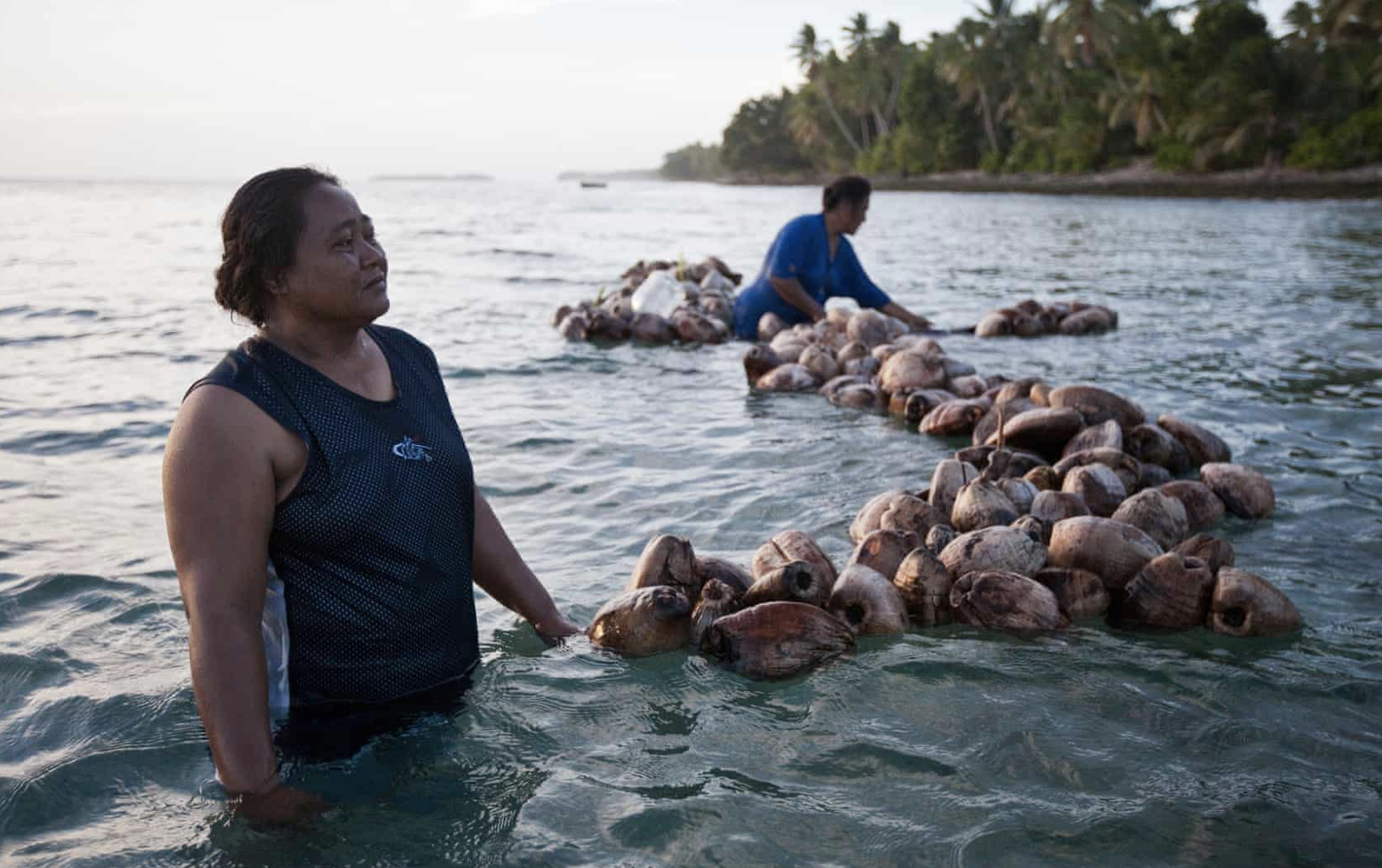
Pacific Youth Turning the Tide on Plastics and Marine Litter

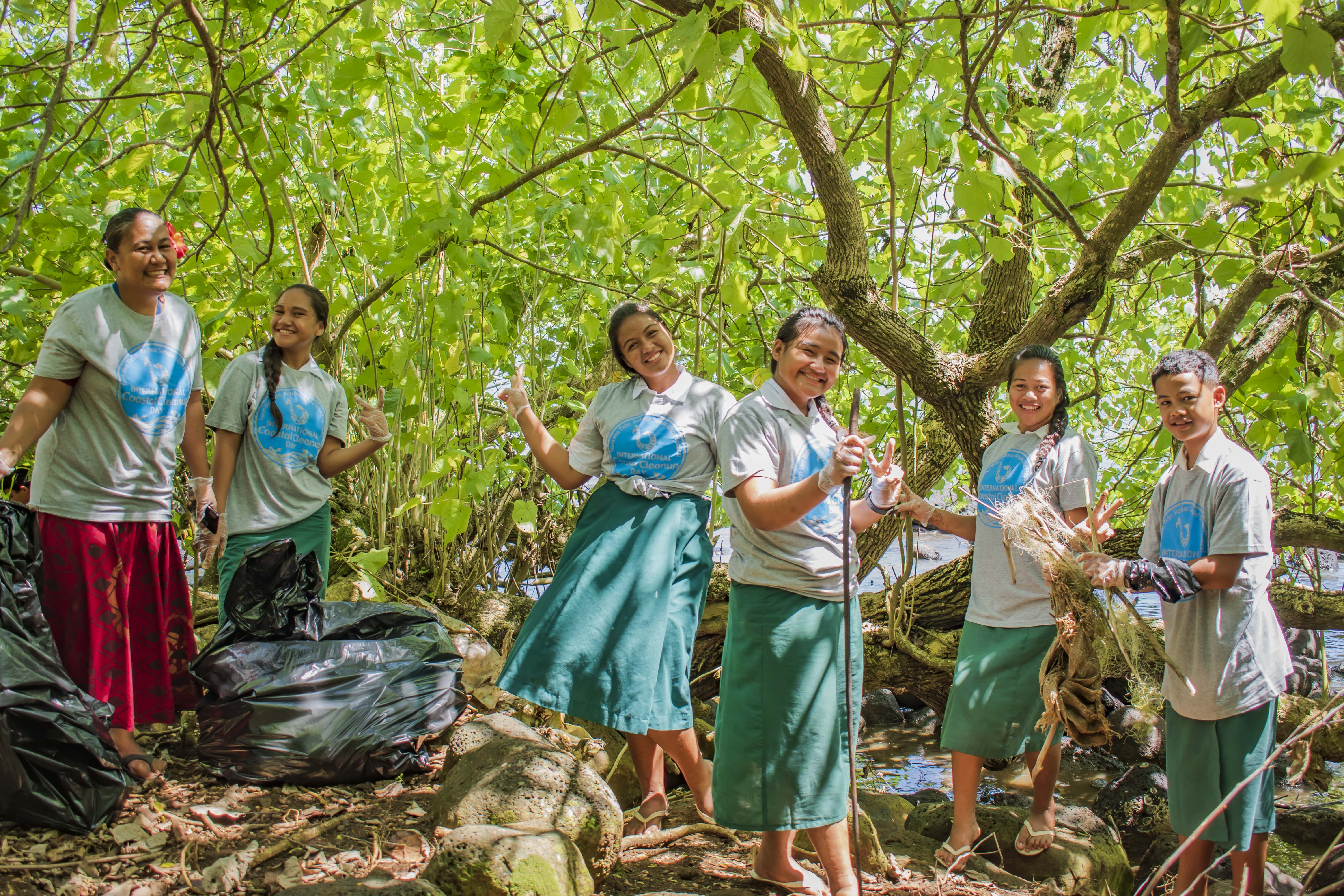
Have you ever taken part in a Coastal Clean-up Day? Do you know what the tide Turners movement is? Read the press release below to see how ISLANDS Pacific is supporting youth to take action against plastic pollution.

Would you like to participate in future Tide Turners activities? Feel free to contact me or Dave Chung!

Read More

https://www.greengrowthknowledge.org/news/pacific-youth-turning-tide-plastics-and-marine-litter

The Implementing Sustainable Low and Non-Chemical Development in Small Island Developing States (ISLANDS) Programme seeks to address the sound management of chemicals and waste in Least Developed Countries (LDCs) and Small Island Developing States (SIDS). Read More

GEF ISLANDS, Basel Convention Regional Centre for Training and Technology Transfer for the Caribbean(BCRC-Caribbean)

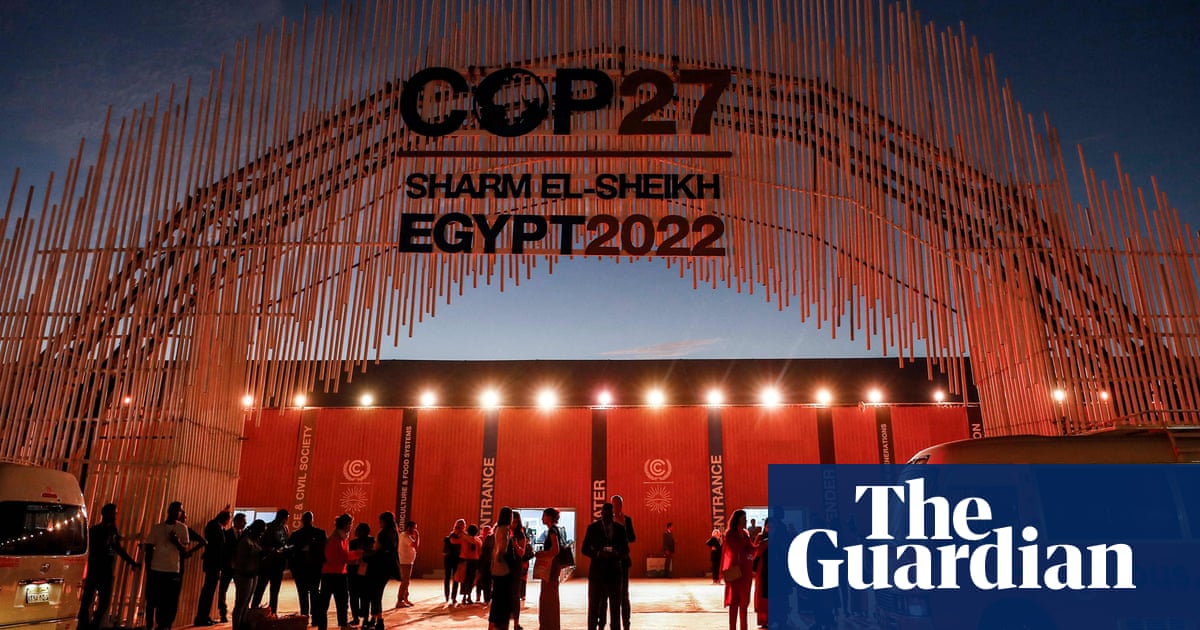
COP27 - Tuvalu first to call for fossil fuel non-proliferation treaty

What are we ready to give-up in order to save the planet and our societies from disastrous global heating? Halting the consumption of fossil fuel would have a huge impact on our lives, but what is the cost if not-action? The projections do not look good.

Kausea Natano, the prime minister of Tuvalu, said that “the warming seas are starting to swallow our lands, inch by inch. But the world’s addiction to oil, gas and coal can’t sink our dreams under the waves. We, therefore, unite with a hundred Nobel peace prize laureates and thousands of scientists worldwide and urge world leaders to join the fossil fuel non-proliferation treaty to manage a just transition away from fossil fuels.”

However, the idea of explicitly agreeing to wind down fossil fuel use is not a priority for governments in Sharm el-Sheikh.

Read More

https://www.theguardian.com/environment/2022/nov/08/tuvalu-first-to-call-for-fossil-fuel-non-prolife...

The profound link between the climate crisis and the ocean.

Ahead of Cop27 as part of a drive to raise awareness on the impact of climate on marine environments, Climate Visuals has released a new collection of evidence-based images.

Great selection of pictures to start off the week!

Read More

https://www.theguardian.com/environment/gallery/2022/oct/28/the-profound-link-between-the-climate-cr...

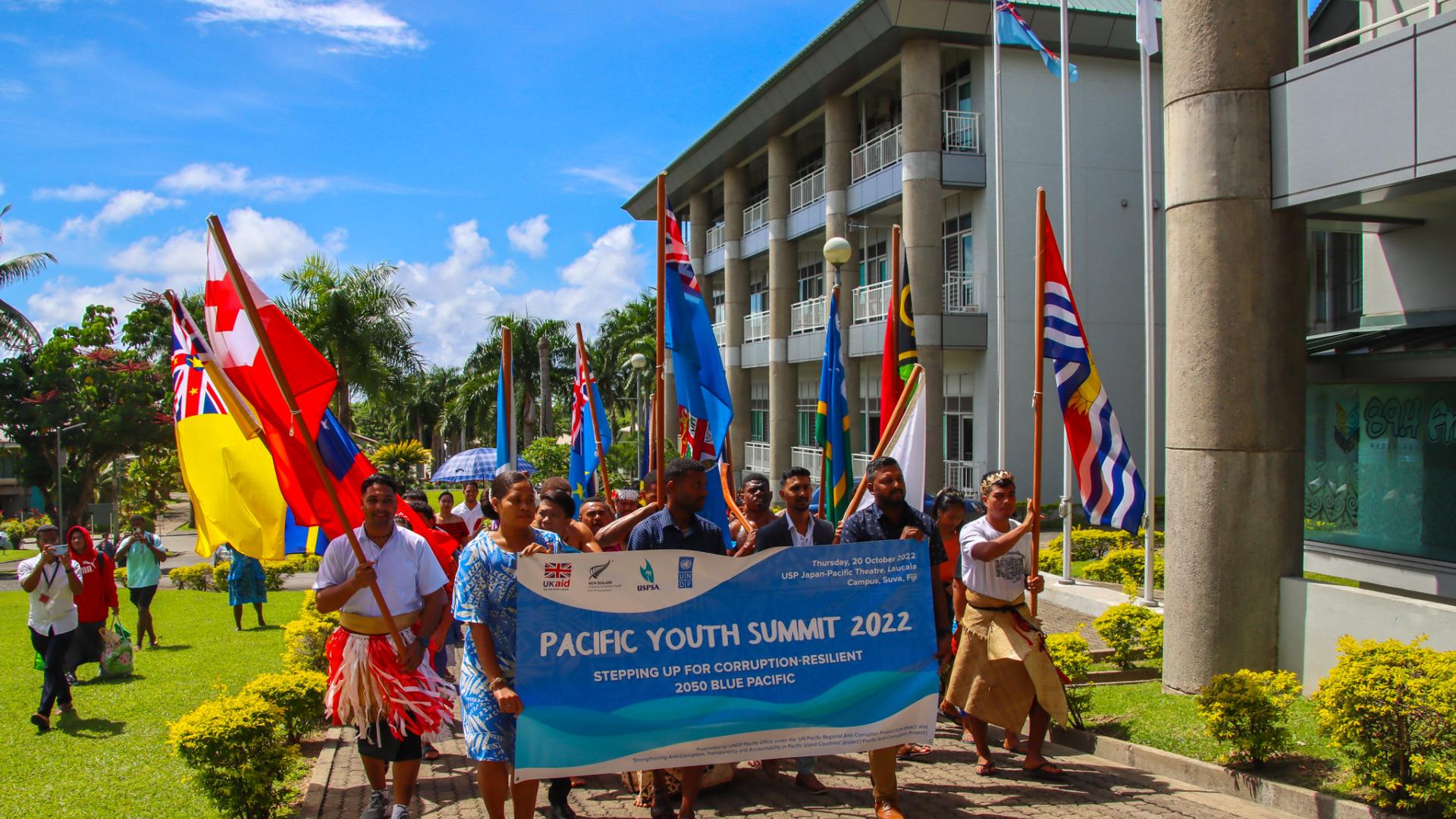
Pacific Youth Summit 2022: youth leaders, students, and young professionals convene to address regional disaster risk reduction efforts and the global climate emergency

As a young person studying and now working on environmental issues, I always found being a part of a broader climate community absolutely necessary. It can be very easy otherwise to give in to climate anxiety and frustration over the continued inaction of most of most governments.

For this reason, I am happy to see that over 1,000 Pacific youth gathered at the Pacific Youth Summit 2022. Being together and engaging on these topics is empowering and give a strong sense of purpose. I hope that Pacific leaders - and leaders around the globe - will listen to their youth and bring their voice clear and loud at COP27 in a couple of weeks.

Read More

https://www.undp.org/pacific/press-releases/pacific-youth-summit-2022-stepping-corruption-resilient-...
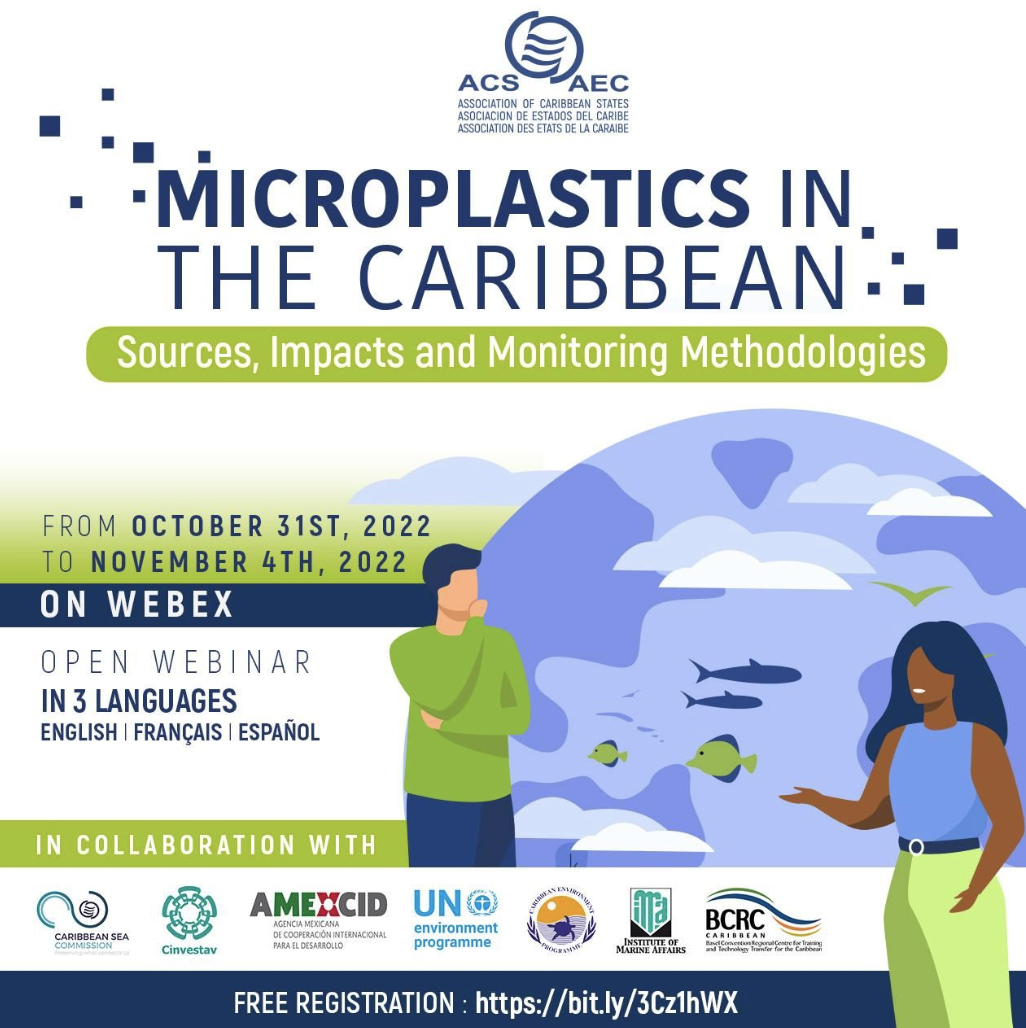
Association of Caribbean States

Join this 5-day virtual seminar which aims to increase regional understanding of the origin of plastic waste, current initiatives to study this waste and its impacts and current attempts find long-term solutions to combat this pollution.    This free webinar will be presented in 3… Read More

Education With Islands For Hope

In early July 2017, the Rachel Carson Center, together with University of Austin, Texas hosted a two-day workshop addressing the question, Can we educate for hope? It sparked the idea of creating an international syllabus of “Radical Hope”. The objective is to frame and think about how individuals or groups might formally or informally learn about our most pressing environmental issues and how we, collectively and/or individually, might respond to them. This post invites you to consider islands as concentrated reservoirs of poetry, love and right relationships with the non-human world. Positioned alongside politics, statecraft, green energy and climate security, the reservoirs would be complementary resources for creating a transformative infrastructure of hope for education in the Anthropocene.

The organisers of the conference were interested in how hope can:

“1) reframe contemporary discussions, and 2) influence sustainability transformations that can help us think about how to be reactive and responsive in shaping those transformations in ways that are both feasible and hopeful.”

Fundamental questions are:

How do you define radical hope?
How do you see radical hope emerging or playing out in islands?

It was expected that participants in the conference would create specific personal sections of the syllabus based on the driving idea or key questions that motivate them and/or influence their own work.

In general, a syllabus of radical hope sits within four key interwoven strands of environmental education (SEEs):

science-framed education, focussed on the conservation management of biodiversity;
place-based, indigenized and bioregional education;
education for climate change and disaster risk;
education for sustainable economic development.

An important role of a syllabus of radical hope is to deliver a widespread consciousness on the fragility of the environment, which can have a very strong impact on people's quality of life. There are few places in the world where the need for hope about the sustainable use of Earth’s resources is as acute as in islands. Islands should therefore be positioned at the centre of education as socioeconomic models of sustainable development and biological evolution. The need for wide environmental awareness is particularly strong in small island developing states (SIDS). These SIDS are countries that are trying to grow economically. At the same time there is a need to protect their natural resources. In this respect, SIDS must turn to uninhabited islands for the models of conservation management.

The following propositions from David Selby and Fumiyo Kagawa highlight what they think is distinctive and hopeful about environmental education with islands for hope.

1 environmental education initiatives on islands are markedly eclectic in their rich blending of practice from within the different SEEs.
2 Environmental education on different islands, especially in the Pacific, is marked by a return to indigenous, community-based learning.
3 There is a distinctive island pedagogy regarding the greater weighting given to relational, socio-affective and action-orientated learning about circular economies.
4 There is a paucity of inter-island cosmopolitan dialogue. Questions are asked about how to ensure islanders, steeped in learning about place, can be brought to connect with the global culture of mass consumerism and its environmental impact.
5 The frequency of cross-curricular, interdisciplinary, even trans-disciplinary framing of environmental education initiatives is identified as bringing a distinctive syllabus and curriculum of hope to island practice.

These propositions reject the inevitably of depleting Earth’s finite natural resources every time we create something, leaving behind waste and toxicity when we dump it or burn it. The hope is that by encouraging a circular way of thinking we design longer-lasting projects, repair and reuse as much as we can, and remanufacture and recycle to save resources, reduce waste, and reduce costs. The article, “The Circular Economy Runs Through Basel,” by Paul Hagen, Russ LaMotte, Dacie Meng, discusses the emergence of the Basel Convention as the key international legal system governing anthropological relationships between culture and ecology. This system is exemplified by the management of toxic waste set out in the Convention’s business plan for 2020-23. With this level of detailed planning and global action it seems to me that the ISLANDS Green Forum can be a virtual classroom for developing island models to bring cultural ecology to the centre of education at all levels. What do colleagues feel about this?

https://www.katche.eu/knowledge-platform/wp-content/uploads/2020/01/WP-…

https://radicalhopesyllabus.org/

https://sites.google.com/view/dream-islands/home

https://corixus.wixsite.com/icol

Read More

Saint Lucia prioritises plastic-free ocean

Recent heavy rains in Saint Lucia have emphasized a need for the improved management of marine litter and plastic pollution.

The Minister for Sustainable Development, Shawn Edward noted that:
“We have adopted a national ocean policy which has, as one of its outcomes, maintained and improved the integrity of the marine ecosystem. The policy recognizes that pollution, including marine litter, plastics, sewage, oil and chemicals, affect our transition toward a blue economy and impacts the value of the goods and services provided by the ocean.”

Well done Saint Lucia!

Read More

https://writeups24.com/saint-lucia-prioritizes-clean-oceans/

Forest ecosystems: Seychelles to designate 2,000 hectares as Key Biodiversity Areas

Large oceanic, small-island developing state, are inherently vulnerable to the impact and risks associated with climate change and biodiversity loss. Pollution, including from toxic chemicals and plastics, is a major threat to biodiversity.

Happy to see that the Seychelles are taking action, together with GEF and UNDP, to conserve their local habitats and looking forward to support this effort through ISLANDS activities in the region.

It doesn't matter if done through protecting forests or managing waste, we all need to work together to preserve our common home.

Read More

http://www.seychellesnewsagency.com/articles/17426/Forest+ecosystems+Seychelles+to+designate+%2C+hec...