About this Discussion

Every year, an estimated 11.2 billion tonnes of solid waste is collected worldwide and decay of the organic proportion of solid waste contributes about 5% of global greenhouse gas emissions. Poor waste management – ranging from non-existing collection systems to ineffective disposal – causes air pollution, water and soil contamination. Open and unsanitary landfills lead to contamination of drinking water and can cause infection and transmit diseases. 

The way a country manages its solid waste has significant long-term implications for public health, the economy and the environment. Therefore, it is essential to promote an environmentally sound solid waste treatment and disposal programme. Investing in greening the waste sector can generate multiple economic and environmental benefits. 

Greening the waste sector primarily involves the three “R’s” – reduce, reuse and recycle – with the long-term vision being to establish a circular economy in which the use of materials and subsequent waste is limited, most unavoidable waste is recycled or remanufactured, and any remaining waste is treated so as to minimize environmental damage or even create additional value through recovering energy embedded in material or products.

Upcoming Events

Waste Management

A post is already pinned to this stream. Would you like to replace it?
Organisation for Economic Co-operation and Development(OECD)

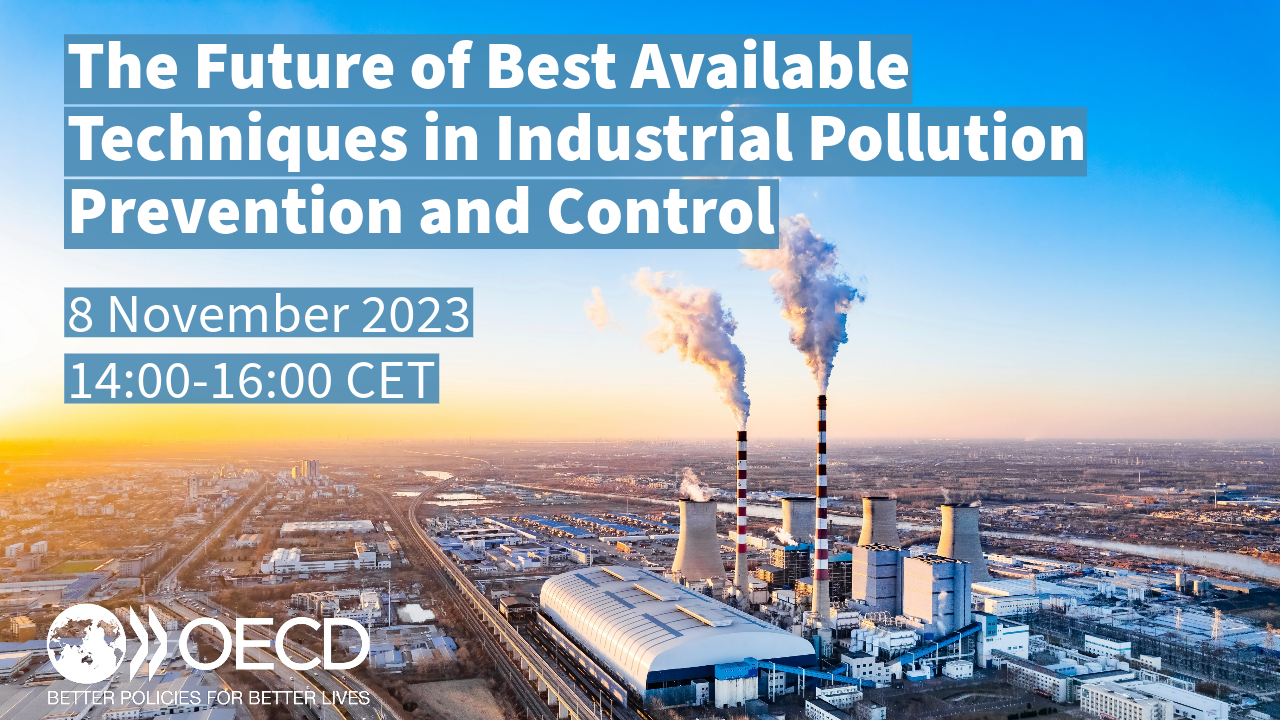
This webinar will explore the current understanding of the Best Available Techniques (BAT) approaches and their future. It will address key challenges, opportunities for the identification of promising emerging techniques for effective pollution prevention and reduction and the importance of cross-… Read More

Catch my latest episode of Climate Connections! ???

As you might know, Japan has completed their first round of release of treated Fukushima nuclear wastewater into the Pacific. One month on, authorities say no detectable amount of tritium has been found in the fish sample from the waters near the crippled Fukushima nuclear plant.

If you’re still worried about whether it’s safe to consume seafood from Japan, do take a listen to my feature with a chemical oceanography expert - Professor Patrick Martin Nanyang Technological University Singapore who weighed in on the issue from a science perspective.

https://omny.fm/shows/moneyfm-morning-show/climate-connections-how-dang…

#environment #nuclear #oceans #marinelife #sustainability #seafood #japan #fukushima #pollution

Read More

https://spotify.link/sahspxtxzDb

For those interested to join the discussion on strengthening reporting and capacity building for the implementation of the beyond 2020 framework instrument for the sound management of chemicals. Happening now! https://us06web.zoom.us/webinar/register/5516802306358/WN_FOTvh9bVQICfA…

fgh f

Today at 2pm CEST, Chemicals and Waste Management CoP discussion on reporting and capacity building for the Beyond 2020 Framework Instrument will take place!

How can diverse stakeholders be more effectively engaged in the development and implementation of a capacity-building strategy for the new framework instrument?

What do you see as the key components that should be present in a successful capacity-building strategy for the new framework instrument?

Don't forget to register and join the discussion in an hour. Looking forward to seeing you all during the discussion!

Read More

Beston Group

Created a Post in Energy, Waste Management
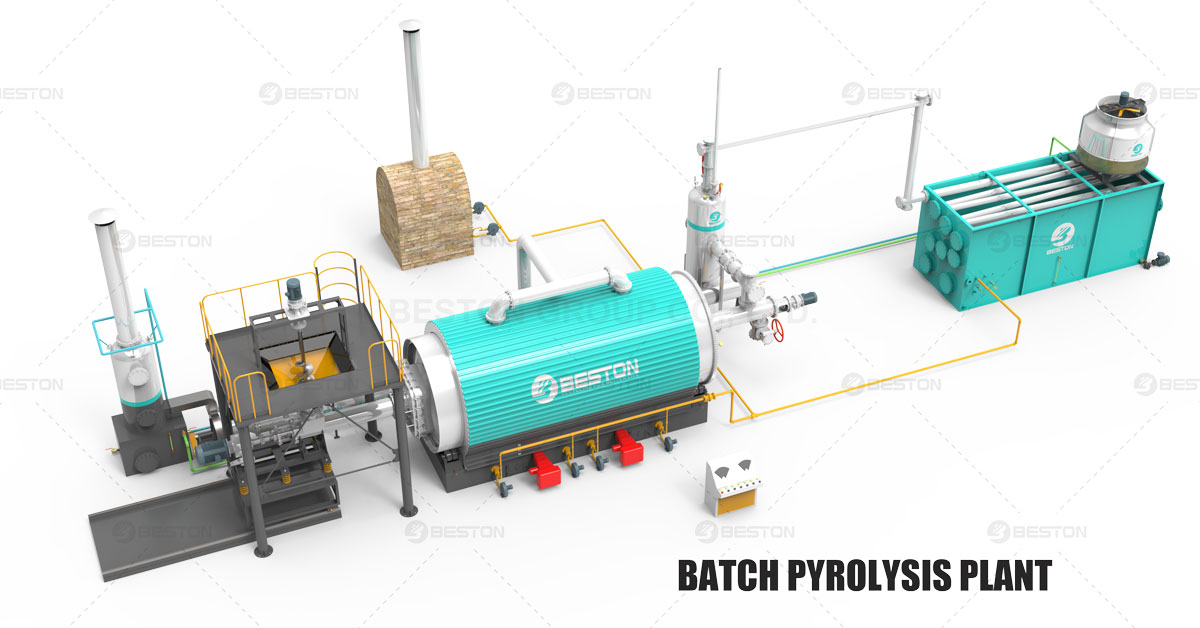
Reducing Carbon Footprint with Small Pyrolysis Plants: A Sustainable Solution

In today's world, where environmental concerns are paramount, finding innovative ways to reduce our carbon footprint is essential. This is where small pyrolysis plants come into play. These compact yet versatile machines have the potential to revolutionize waste management by transforming various organic materials into valuable byproducts. Let's delve into the significance of small pyrolysis plants and their diverse applications in minimizing our carbon footprint.

Unlocking the Potential of Small Pyrolysis Plants

Small pyrolysis plants are designed with one key objective in mind: to harness the power of pyrolysis – a thermochemical decomposition process – to convert organic waste materials into valuable outputs. These outputs include charcoal, biofuel, and bio oil. The versatility of these plants allows them to process an array of materials, from rice husks to liquid sludge, effectively reducing waste that would otherwise end up in landfills.

The Advantages of Choosing a Small Pyrolysis Plant

Efficient Utilization of Organic Waste: The primary purpose of small pyrolysis plants is to transform organic waste into usable products. By converting waste materials like plastic, rubber, and agricultural residue, these plants contribute to reducing environmental pollution and the strain on landfills.

Diverse Usable Outputs: Small pyrolysis plants generate a range of valuable byproducts, including charcoal, biofuel, and bio oil. These outputs can be used in various industries, such as energy production and agriculture, offering an eco-friendly alternative to conventional fossil fuels.

Economic Viability: While contributing to environmental sustainability is paramount, the economic benefits of small pyrolysis plants are equally compelling. By producing marketable outputs, businesses can generate revenue from materials that were previously considered waste.

Versatile Applications: Small pyrolysis plants are suitable for a wide range of businesses, from small-scale operations to larger industrial facilities. Their compact size and user-friendly operation make them accessible to a broader audience, ensuring that more businesses can participate in sustainable waste management practices.

Reducing Carbon Footprint: The utilization of organic waste to produce valuable products aligns with the global goal of reducing carbon emissions. By converting waste materials into usable outputs, small pyrolysis plants contribute to a circular economy, minimizing the need for new resource extraction and reducing greenhouse gas emissions.

Making Informed Choices

When considering a small pyrolysis plant, several factors need to be taken into account. Factors such as the manufacturer's reputation, plant specifications, and pricing should all be thoroughly assessed. By choosing a plant that aligns with your waste volume and output goals, you're not only investing in your business's profitability but also making a positive impact on the environment.

In Conclusion

Small pyrolysis plants offer a powerful solution to two of today's most pressing challenges: effective waste management and carbon footprint reduction. By transforming organic waste into valuable outputs, these plants bridge the gap between sustainability and economic viability. Investing in a small pyrolysis plant is not just a business decision; it's a step towards a greener, more sustainable future.

Read More

https://bestonmachinery.com/pyrolysis-plant/small/
https://youtu.be/hHeFtZ-d9Og
Mostafa El-Rabbat commented on Mostafa El-Rabbat's Post in Waste Management

hello everyone, I'm Mostafa from Cairo- Egypt
i'm trying to know more information about sustainable waste management and how it can practically applied especially in construction field.
i'd love to attend any discussions about this topic
greetings to all of you

Read More

Call for Applications:

Intern - Environment Affairs

Closing:
|
Kenya
UN Environment Programme- UNEP

GO4SDGs initiative is looking for an intern to join us for 6-months at, UNEP, Industry and Economy Division, office in Nairobi. We are looking for a dynamic, curious and talented intern to carry out research on SDGs, circular economy, green jobs for youth and support GO4SDGs activities at the… Read More

Greetings!

GO4SDGs initiative is looking for an intern to join us for 6-months at, UNEP, Industry and Economy Division, office in Nairobi. We are looking for a dynamic, curious and talented intern to carry out research on SDGs, circular economy, green jobs for youth and support GO4SDGs activities at the regional and global level. Interested? The deadline for application is 19th July 2023

Apply here: https://careers.un.org/lbw/jobdetail.aspx?id=211714

Read More

https://careers.un.org/lbw/jobdetail.aspx?id=211714

Greetings!

GO4SDGs has had an action packed June with exciting events and activities happening across the regions!

Find out more about it all in the latest edition of our newsletter: https://ke3nnhygz5.postedstuff.com/V2-VjDi-okUt-GfH3-xG8T/

Don't forget to visit our website more information about GO4SDGs:

Read More

https://www.greenpolicyplatform.org/initiatives/global-opportunities-sdgs-go4sdgs

Hello Everyone!

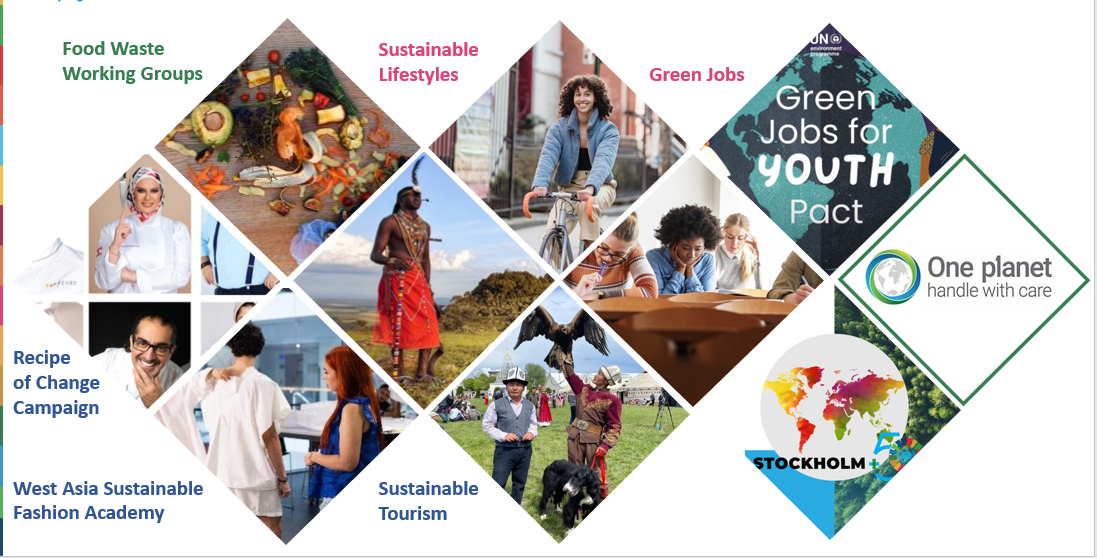
The Global Opportunities for Sustainable Development Goals (GO4SDGs) is a UNEP initiative that aims to accelerate the progress necessary to meet the 2030 Agenda, especially for SDG 12 (Sustainable Consumption and Production) and SDG 8 (Decent Work & Green Economies).

We build partnerships to connect global initiatives with regional needs and solutions. We use a vast number and variety of tools developed by our partners and focus on implementation, action and scaling up, and replications of good practices. We are active in Africa, Asia-Pacific, LAC, West Asia and Central Asia.

GO4SDGs focuses on three main action components:

i) supporting governments to strengthen policy coherence.

ii) working with small and medium-sized enterprises (SMEs) to increase capacities and access for financing innovation and circularity.

 iii) youth empowerment to amplify their voices and empower them to embrace sustainable lifestyles.

To achieve this, we collaborate with partners to share best practices, science-based knowledge, tools and capacity development in the high-impact sectors of agri-food, fashion/textiles, tourism (incl. plastics).

We are pleased to present our progress report with the highlights of work in 2022. We are advancing circular economy in the regions, increased capacity development to reduce food waste, and launched the SMEs Action Agenda, and the Green Jobs for Youth Pact at COP27. We also started to yield results in the high-impact sectors of fashion/textiles, agri-food & tourism.

Download and have a read of our Annual Progress Report:

https://drive.google.com/file/d/1iFxvbtAG2ibP35MCfXUtoyIf2vbqEWDM/view

We are excited to join the Green Forum and interact with members of this community!

Visit our website more information about GO4SDGs activities and events across different regions.

Read More

https://www.greenpolicyplatform.org/initiatives/global-opportunities-sdgs-go4sdgs
Julius Serunjogi commented on Julius Serunjogi's Post in Agriculture and Food System, Waste Management, Tourism and Hospitality
It's a great opputunity for me to share this platform with you all, i am Julius from
Kampala uganda and i am in love with the green environment, nature and the creation.
Green don't know boarders, green in your country contributes much to a condusive environment in my country and the reverse is 100% true.
Let's share and work together for a better environment through protecting the green.

Read More