
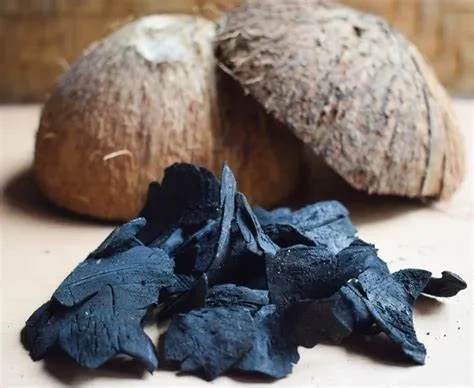
Coconut Shell to Charcoal for Sustainable Metal Smelting
In the pursuit of sustainable industrial practices, the extraction and processing of metals often present challenges due to the environmental impact of conventional fuel sources. However, innovative solutions are emerging, and one such method gaining attention is the utilization of coconut shell for charcoal production in metal smelting. This not only addresses the environmental concerns associated with traditional fuel sources but also capitalizes on the abundance of coconut shells, transforming a natural byproduct into a valuable resource. In this comprehensive exploration, we delve into the intricacies of coconut shell to charcoal conversion for metal smelting, examining the process, benefits, challenges, and the potential for reshaping the landscape of sustainable metal production.
The Rich Resource of Coconut Shells
Coconut shells, often considered waste in coconut-producing regions, are abundant and underutilized. The disposal of coconut shells through traditional means, such as burning or landfilling, contributes to environmental issues. However, recognizing their potential as a raw material for charcoal production presents an opportunity to not only manage waste but also contribute to sustainable industrial practices.
Coconut Shell to Charcoal Conversion Process
Harvesting and Collection:
The first step in the coconut shell to charcoal conversion process involves harvesting mature coconuts. After extracting the coconut meat and water, the shells are collected for processing.
Cleaning and Sorting:
The collected coconut shells undergo a cleaning and sorting process to remove any residual coconut fibers, dirt, or other impurities. This ensures a more efficient and consistent conversion process.
Carbonization or Pyrolysis:
The cleaned coconut shells are subjected to a carbonization or pyrolysis process. In this step, the shells are heated in the absence of oxygen, causing them to decompose into charcoal. The temperature and duration of this process influence the quality and characteristics of the resulting charcoal.
Cooling and Collection:
After carbonization, the charcoal is cooled and collected. The cooling process is essential to solidify the charcoal and prevent further combustion. The collected coconut shell charcoal is then ready for use in metal smelting.
Benefits of Coconut Shell Charcoal in Metal Smelting
Renewable and Abundant Resource:
Coconut shells are a renewable resource that is abundantly available in tropical regions. Utilizing coconut shell charcoal for metal smelting reduces dependence on finite fossil fuels and contributes to sustainable resource management.
Carbon Neutrality:
The carbonization process, when done sustainably, can result in charcoal with a neutral carbon footprint. As coconut trees absorb carbon dioxide during their growth, the carbon released during combustion is balanced by the carbon sequestered during the tree's lifespan.
Reduced Greenhouse Gas Emissions:
Coconut shell charcoal produces lower levels of greenhouse gas emissions compared to traditional fossil fuels. Using it in metal smelting can contribute to overall emissions reduction in the metallurgical industry.
High Energy Content:
Coconut shell charcoal has a high energy content, making it an efficient fuel source for metal smelting. Its calorific value and heat generation capabilities are well-suited for the high-temperature requirements of metal extraction processes.
Improved Metallurgical Performance:
Coconut shell charcoal, with its high carbon content and low ash content, can contribute to improved metallurgical performance. It provides a cleaner fuel source, reducing impurities in the smelting process and potentially enhancing the quality of the extracted metal.
Waste Management:
Transforming coconut shells into charcoal addresses the issue of coconut shell waste disposal. Instead of being discarded, the shells are repurposed into a valuable resource, promoting a circular economy and reducing environmental impact.
Challenges and Considerations
While the utilization of coconut shell charcoal for metal smelting offers numerous benefits, there are challenges and considerations that need to be addressed:
Technology Adoption:
The adoption of coconut shell charcoal as a fuel source in metal smelting may require technological adjustments in existing smelting facilities. Implementing these changes, including modifying furnaces or burners, may pose challenges for some industries.
Supply Chain Logistics:
Establishing a reliable supply chain for coconut shells and their conversion to charcoal can be challenging, especially in regions where coconut production is not a primary industry. Developing efficient logistics for harvesting, processing, and transporting coconut shells is crucial for sustainable and scalable production.
Sustainable Practices:
Ensuring that the coconut shell to charcoal conversion process adheres to sustainable practices is essential. Carbonization should be conducted using energy-efficient methods to minimize environmental impact and ensure the carbon neutrality of the overall process.
Quality Control:
Maintaining consistent quality in coconut shell charcoal is critical for its successful use in metal smelting. Variations in the carbonization process or impurities in the charcoal could affect the metallurgical performance and efficiency of the smelting process.
Competing Uses for Coconut Shells:
Coconut shells have various applications, including as raw material for activated carbon production, horticultural uses, and handicrafts. Balancing the demand for coconut shells across different industries and applications requires strategic planning to ensure sustainable resource utilization.
Case Studies and Success Stories
Several initiatives around the world have successfully implemented coconut shell to charcoal conversion for sustainable metal smelting:
Philippines:
In the Philippines, where coconut production is significant, some metal smelting facilities have shifted to coconut shell charcoal as a primary fuel source. This transition has not only reduced the environmental impact but has also positively influenced the local economy by creating new opportunities in the coconut value chain.
India:
Indian metallurgical industries are exploring the potential of coconut shell charcoal for iron smelting. By integrating this renewable resource into their processes, these industries aim to reduce emissions and contribute to the country's sustainability goals.
Conclusion
The utilization of coconut shell charcoal for metal smelting exemplifies the transformative power of sustainable practices in industrial processes. By harnessing a natural byproduct – coconut shells – and converting them into a high-energy and environmentally friendly fuel source, the metallurgical industry can significantly reduce its ecological footprint. The benefits extend beyond emissions reduction, encompassing waste management, resource efficiency, and support for local economies in coconut-producing regions.
As technology advances, supply chains mature, and industries embrace sustainable alternatives, coconut shell to charcoal conversion has the potential to become a cornerstone in reshaping the landscape of metal smelting. The journey from coconut tree to metal furnace exemplifies the intricate interconnectedness of nature and industry, where waste transforms into wealth, and sustainable practices pave the way for a more resilient and environmentally conscious future.