
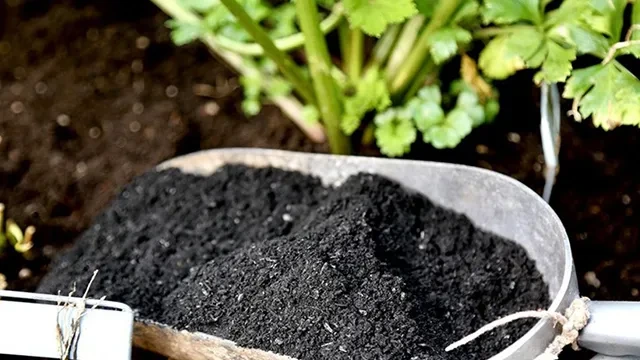
The Role of Coconut Shell Charcoal in Promoting Sustainable Agriculture
In the quest for sustainable agricultural practices, innovative solutions are crucial. Among these, coconut shell charcoal has emerged as a significant contributor to ecological balance and soil health. This article delves into how the production and utilization of coconut shell charcoal support sustainable agriculture, providing an effective and environmentally friendly alternative to traditional practices.
1. Coconut Shell Charcoal Production Process
The process of producing coconut shell charcoal involves several stages, beginning with the collection and preparation of coconut shells. These shells are first cleaned to remove any residual fibers and contaminants. The cleaned shells are then subjected to a pyrolysis process—a thermal decomposition in the absence of oxygen—at temperatures typically ranging from 400°C to 700°C. This process converts the coconut shells into charcoal, leaving behind a byproduct of volatile gases and liquid tar.
The resulting coconut shell charcoal is then cooled and crushed into various sizes, depending on its intended application. This charcoal is characterized by its high porosity and surface area, which make it particularly effective in agricultural contexts.
https://bestonmachinery.com/charcoal-making-machine/coconut-shell/
2. Environmental Benefits
Coconut shell charcoal production offers several environmental benefits that align with the principles of sustainability:
2.1 Waste Reduction: Utilizing coconut shells—often considered agricultural waste—prevents them from being discarded in landfills, thereby reducing waste and mitigating landfill overflow issues.
2.2 Carbon Sequestration: The process of converting coconut shells into charcoal effectively sequesters carbon, as the carbon originally present in the shells is stored in a stable form within the charcoal. This helps in offsetting carbon dioxide emissions, contributing positively to climate change mitigation.
2.3 Reduced Greenhouse Gas Emissions: The pyrolysis process used to produce coconut shell charcoal generates fewer greenhouse gases compared to traditional incineration methods, further enhancing its environmental credentials.
3. Enhancing Soil Health
The integration of coconut shell charcoal into agricultural practices offers several advantages for soil health:
3.1 Improved Soil Structure: Coconut shell charcoal's porous nature enhances soil aeration and drainage. This improves root growth and reduces the risk of waterlogging, which is particularly beneficial in areas prone to heavy rainfall.
3.2 Increased Soil Fertility: The charcoal acts as a soil conditioner by increasing the cation exchange capacity (CEC). This allows the soil to retain more nutrients, making them available to plants. Additionally, coconut shell charcoal can improve soil pH levels, making the soil more conducive to plant growth.
3.3 Enhanced Microbial Activity: The porous structure of coconut shell charcoal provides an ideal habitat for beneficial soil microorganisms. These microbes contribute to the decomposition of organic matter, further enriching the soil and promoting plant health.
4. Application in Sustainable Agriculture
Coconut shell charcoal can be applied in various agricultural contexts to support sustainability:
4.1 Biochar: When coconut shell charcoal is used as biochar, it serves as a long-term soil amendment. Biochar can persist in the soil for several years, offering prolonged benefits such as enhanced soil fertility and structure.
4.2 Organic Farming: In organic farming systems, coconut shell charcoal is used to reduce the reliance on synthetic fertilizers and pesticides. It helps in maintaining soil health and supports the natural growth of crops.
4.3 Composting: Incorporating coconut shell charcoal into composting systems can improve compost quality. It helps in aerating the compost pile and speeds up the decomposition process, resulting in a richer end product.
Conclusion
Coconut shell charcoal stands as a testament to how agricultural byproducts can be transformed into valuable resources supporting sustainability. Through its production process, environmental benefits, and role in enhancing soil health, coconut shell charcoal presents a multifaceted solution to sustainable agriculture. Its application not only addresses environmental concerns but also fosters economic growth and social development. Embracing coconut shell charcoal in agricultural practices underscores the importance of innovative approaches in achieving long-term ecological and economic sustainability.