
High Level Dialogue on Green Shipping
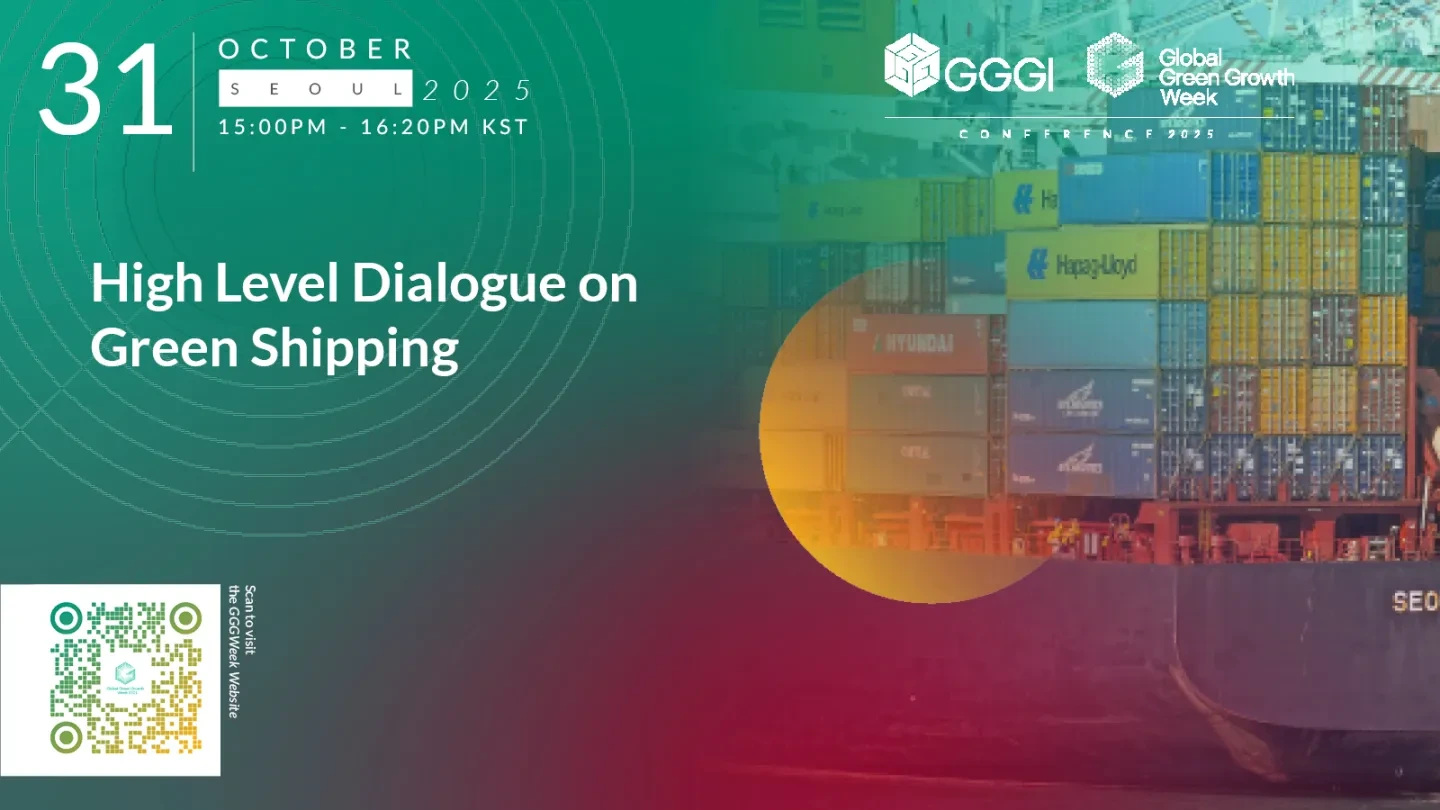
Shipping is the engine of global trade, transporting over 80% of goods worldwide and sustaining the flow of the global economy. Yet this indispensable industry comes with a heavy environmental cost. Shipping is responsible for nearly 3% of global greenhouse gas emissions—more than most countries—and, without decisive action, emissions are projected to rise sharply.
Beyond carbon, shipping generates multiple environmental externalities: air pollution from sulphur oxides (SOx), nitrogen oxides (NOx), and particulate matter that harms human health; underwater noise that disrupts marine life; invasive species carried in ballast water; and oil spills and waste discharges that damage fragile marine ecosystems. These impacts fall disproportionately on coastal and port communities, many of which are already vulnerable to climate change.
This session will focus on the commitments and efforts taking place to decarbonize and green the shipping industry. Great achievements have been made through international negotiations led by the International Maritime Organization (IMO) and front runners to agree on a new global industry standard for green shipping. The session also acknowledges the crucial importance of green shipping corridors, as the melting ice sheets in the Arctic Region is bringing increase maritime activities to the planet’s most vulnerable ecosystems.
Key stakeholders among countries, port cities, and international organizations here come together to showcase the challenges and opportunities ahead.