This the virtual collaboration space for the Implementing Sustainable Low and Non-Chemical Development in Small Island States (ISLANDS) Programme. ISLANDS supports thirty-three Small Island Developing States (SIDS) in the Caribbean, Pacific and Indian Ocean to pursue safe chemical development pathways.

Upcoming Events

ISLANDS: Implementing Sustainable Low and Non-Chemical Development in Small Island States

Pinned post
Green Growth Knowledge Partnership(GGKP)

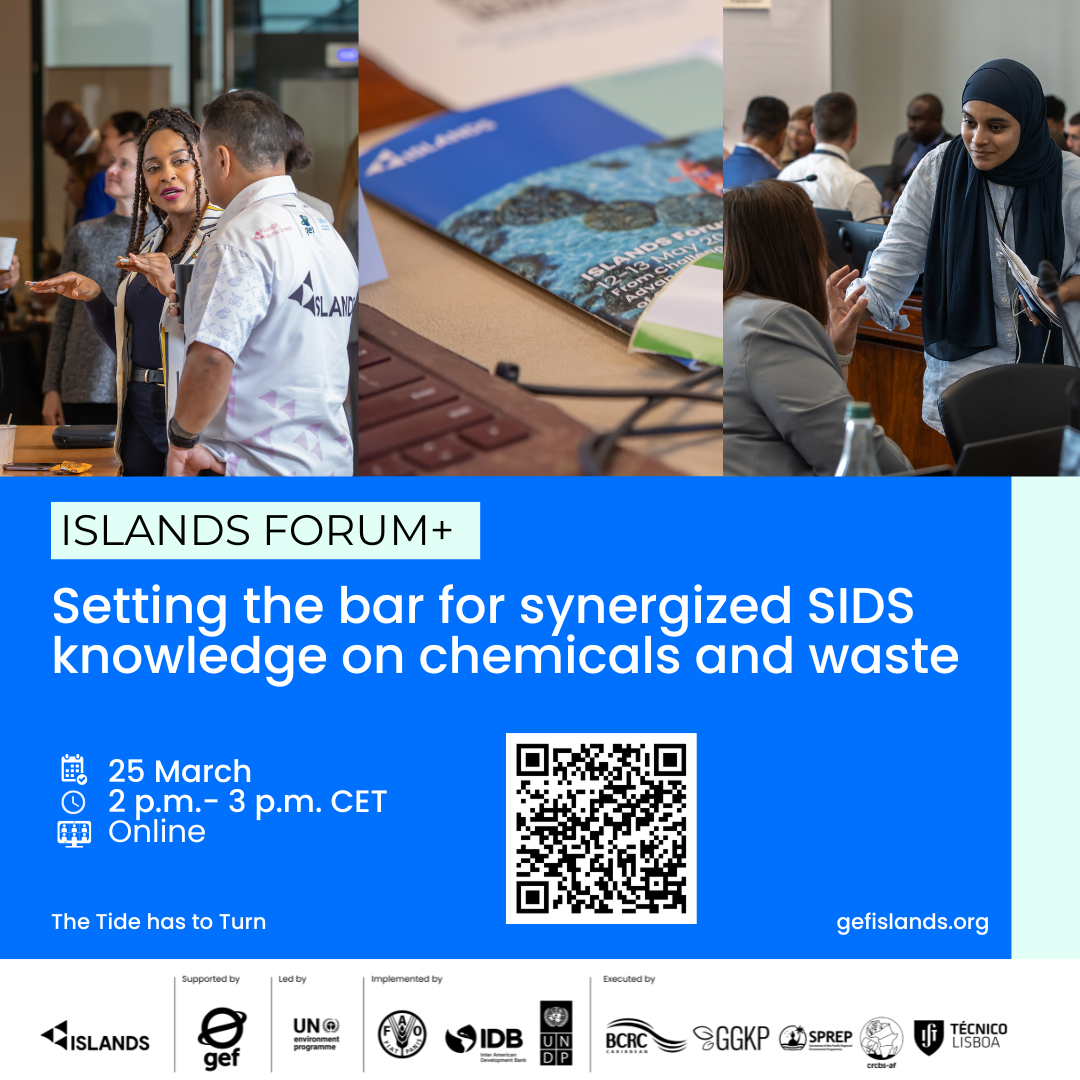
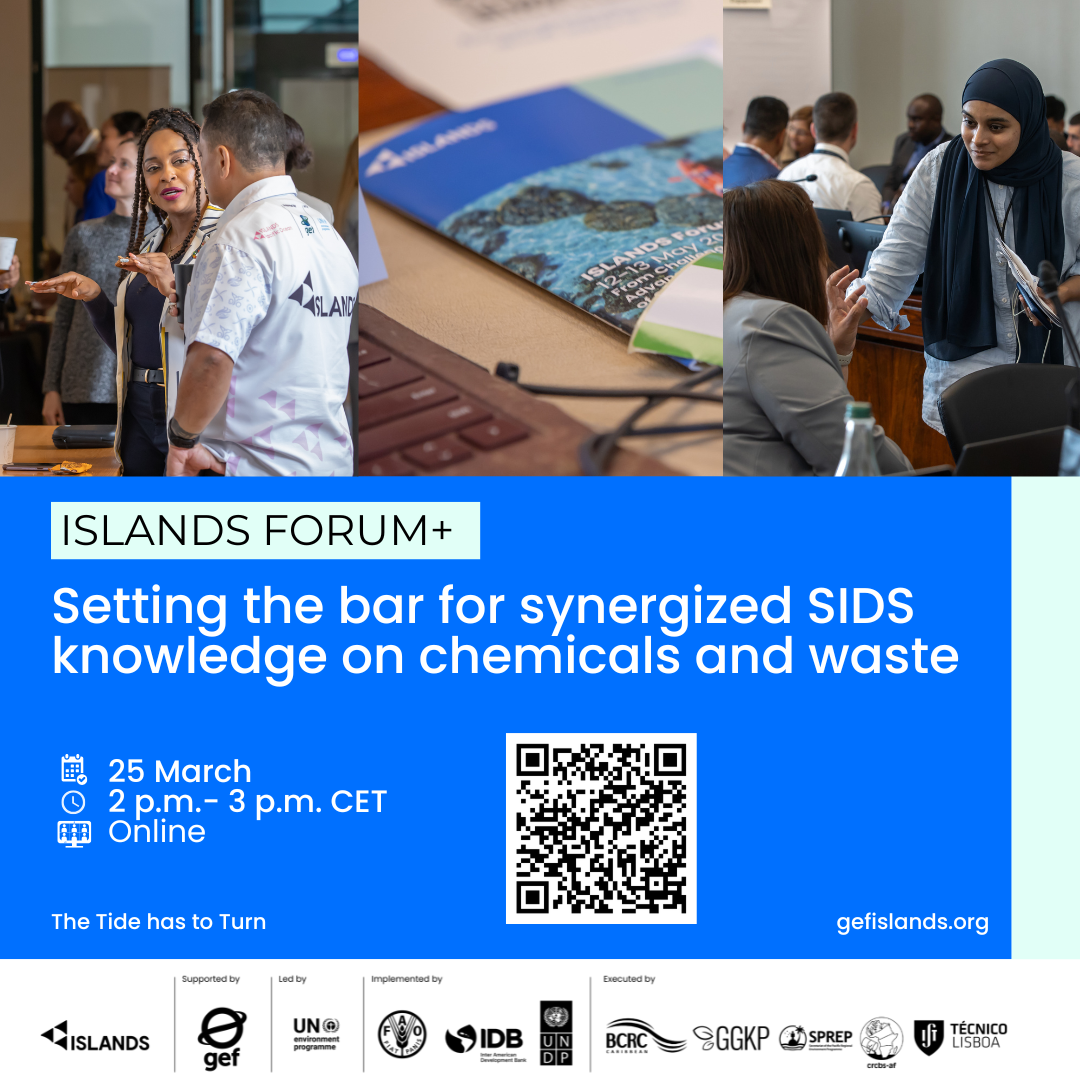
Small Island Developing States (SIDS) are on the frontlines of the global pollution  crisis but they are also leading the way with innovative, practical solutions. How can stronger knowledge sharing and collaboration accelerate action across islands? 📅 25 March 2026, 2-3 p.m. Read More

A post is already pinned to this stream. Would you like to replace it?
Green Growth Knowledge Partnership(GGKP), United Nations Environment Programme(UNEP), Global Environment Facility(GEF), Basel Convention Regional Centre for Training and Technology Transfer for the Caribbean(BCRC-Caribbean)

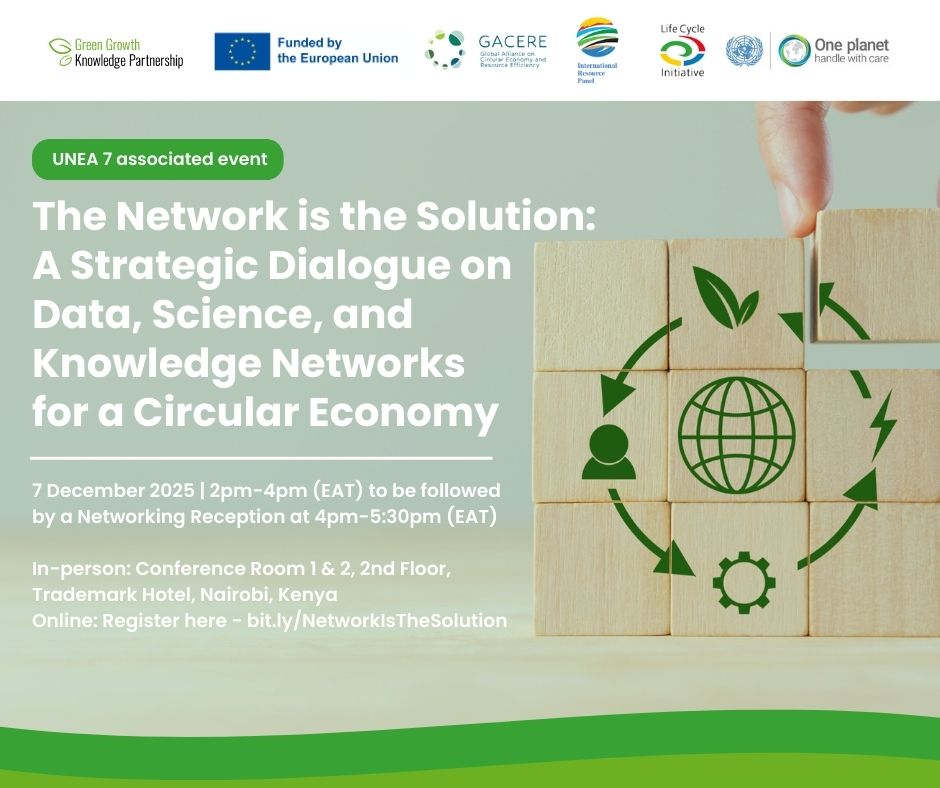
Discover how innovation is shaping chemicals and waste solutions—join our side event at the 2025 Meetings of the Conferences of the Parties to the Basel, Rotterdam and Stockholm Conventions (BRS COPs). This session dives into the power of sustainable tools and digital knowledge systems to tackle… Read More

Hi all! Greetings from the Island Policy Lab at the University of Delaware, United States. We just released our latest Newsletter. It will give you a taste of some of the projects and engagements that we're involved with. Happy to share more as we learn from each other.

https://us1.campaign-archive.com/?u=b360342778cf2ee2115421b99&id=8d2793…

https://sites.udel.edu/island-policy-lab/

Read More

United Nations Development Programme(UNDP)

We would like to invite you to the webinar Bio-waste Alchemy: Transforming Municipal Waste into Green Gold organized by UNDP’s Chemicals and Waste Hub, in collaboration with Avfall Sverige (Swedish Waste Management Institute). This webinar will share tested and innovative solutions on bio-waste… Read More

UNDP Comoros is looking for a French speaking specialist on waste management and circular economy.  Deadline: 04.03.2024  Read More

United Nations Development Programme(UNDP)

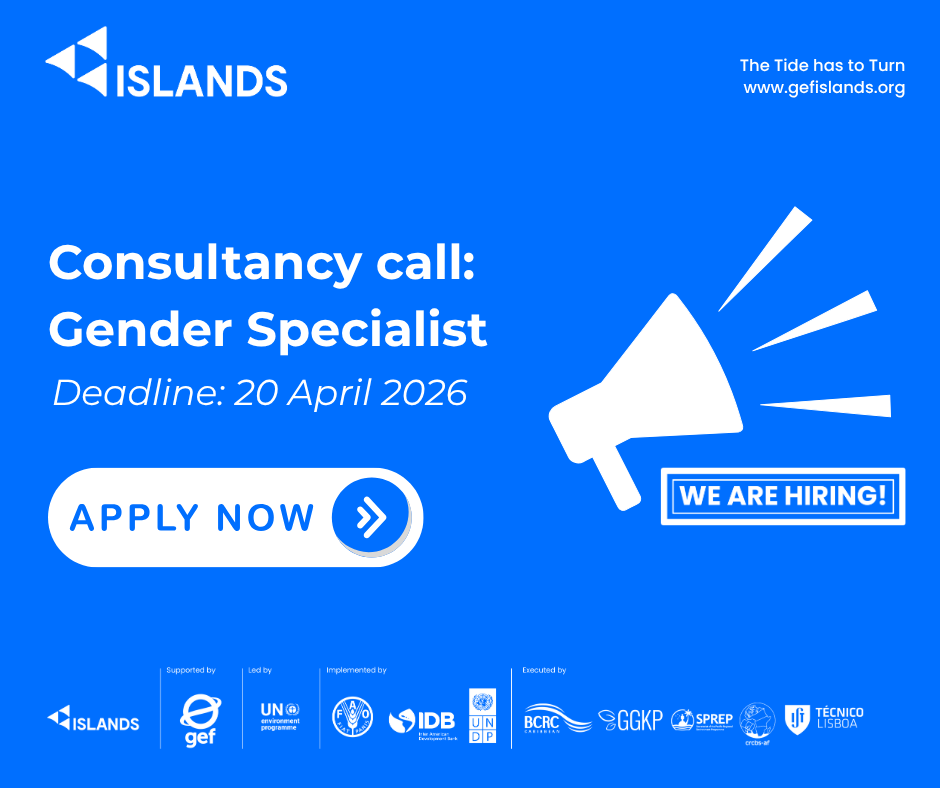
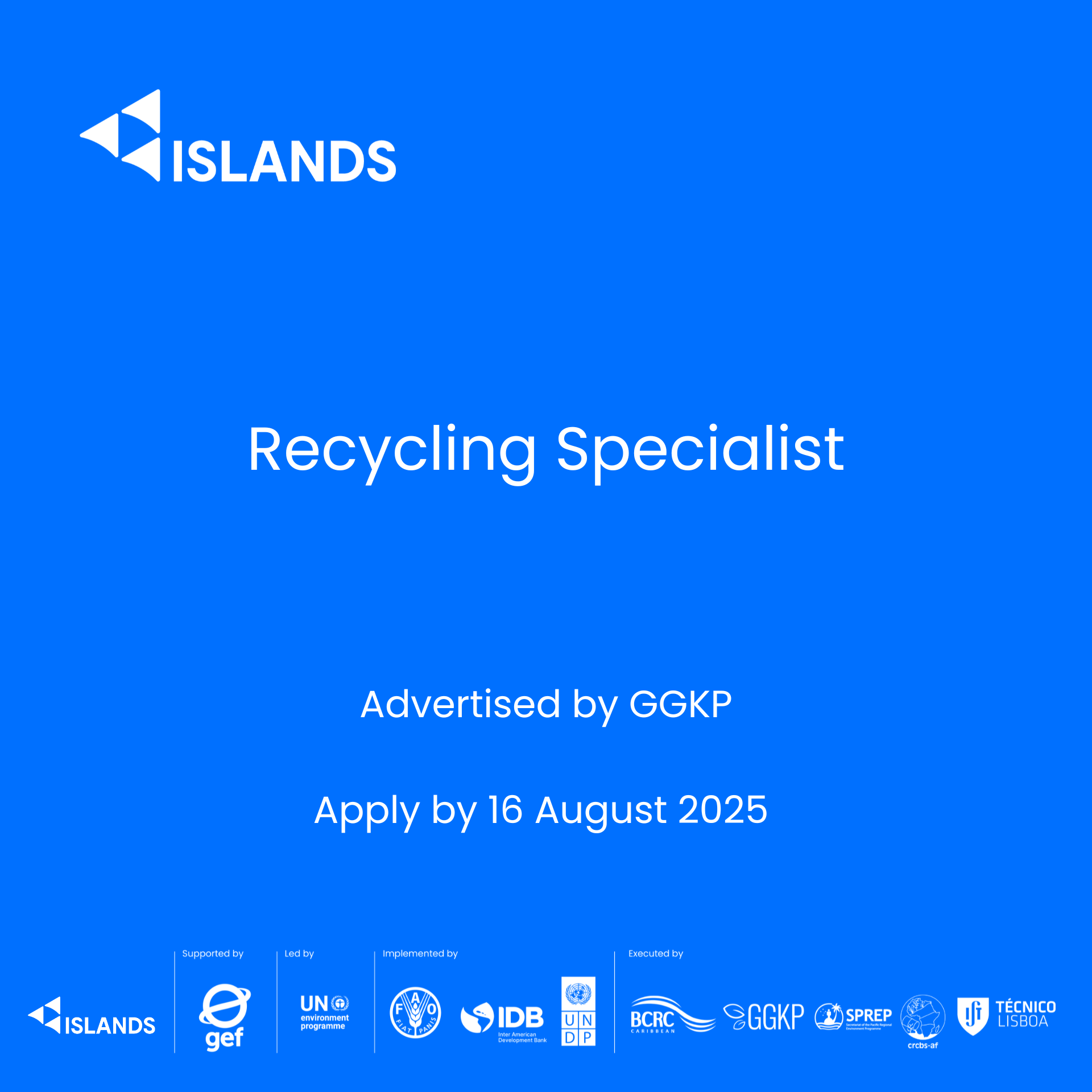
Hello ISLANDS community! ? We're on the lookout for a dynamic and skilled Project Manager/Programme Coordinator to join our GGKP team and lead the ISLANDS CCKM Project. ??

Please find all the requirements and the details for the application in the link below.

Read More

https://www.gefislands.org/job/project-managerprogramme-coordinator-islands-cckm-project

Spiritual Dimension Of Education On Islands

Islands, with their secluded and often pristine landscapes, have long served as sources of inspiration for artists and seekers of spiritual connection. The combination of isolation, natural beauty, and a unique cultural milieu creates an environment that fosters a profound interplay between spirituality and art. This essay explores the symbiotic relationship between spirituality and art on islands, examining how the confluence of these two elements contributes to a rich and distinctive cultural tapestry.

One of the most captivating aspects of islands is their natural beauty. Surrounded by the vast expanse of the ocean, islands often boast breathtaking landscapes, from lush tropical jungles to rugged cliffs and serene beaches. The isolation and seclusion offered by these landscapes create an environment conducive to introspection and contemplation, inviting individuals to connect with a higher, transcendent force.

In many island cultures, the natural elements are deeply intertwined with spiritual beliefs. The rhythm of the waves, the rustling of palm trees, and the vibrant colors of the sunset become part of a spiritual symphony that resonates with the islanders. Artists, inspired by this connection, channel these natural elements into their work, creating pieces that reflect a profound sense of spirituality.

Read More

http://blog.culturalecology.info/2023/11/29/islands-places-for-spiritual-self-learning/

Hello ISLANDers,

Found this in the Guardian today - on very high PCB concentrations in found recently in whales.

PCBs were banned in 2004, but persist in the environment and in wildlife, as POPs generated in one country can and do affect people and wildlife far from where they are used and released.

ISLANDS is phasing out stockpiles of PCBs from disused transformers in SIDS.

Read More

https://www.theguardian.com/environment/2023/nov/28/levels-of-toxic-pcb-chemicals-found-at-30-times-...

Need for a syllabus of radical hope

A syllabus of radical hope is not a standardized or widely recognized educational document like a typical subject syllabus. Instead, it is a conceptual framework or a set of principles that can guide educational practices and curricula to instill hope, resilience, and positive action for the environment in students facing life in an unstable post-carbon world. It incorporates a variety of subjects, disciplines, and practices to foster a mindset that goes beyond traditional academic content. In this respect, spiritual thinking about human ecology often addresses questions related to the meaning of life, purpose, and values. Integrating these aspects into school curricula can help students explore their own purpose in a broader context, fostering a sense of individual fulfillment and direction. Spiritual teachings often emphasize interconnectedness and community. This sense of belonging can counter feelings of isolation and helplessness, which are common in times of crisis.
Incorporating spiritual thinking into a syllabus of radical hope does not necessarily mean promoting a specific religion. Instead, it involves teaching the universal values and principles found in various spiritual traditions, encouraging students to explore their own beliefs and values while respecting others’ perspectives. This approach can contribute to the holistic development of individuals, fostering a sense of hope, purpose, and empathy, whilst empowering students with the knowledge, skills, and mindset necessary to contribute to positive social, environmental, and personal change.

Read More

http://blog.culturalecology.info/2023/11/13/spiritual-ecology/

Educational Pathways To Sustainable Development
In 2008 the Welsh Government published information for teacher trainees and new teachers in Wales to promote education for sustainable development and global citizenship. As of 2023 this humanist framework can be used in Wales’ new national education system to help every school in Wales develop its own curriculum, that incorporates a syllabus for radical hope. Engaging in such initiatives is crucial for raising awareness, sharing knowledge, and encouraging positive actions towards a more sustainable future. For example, posting to groups such as the ‘Green Learning Network’, Islands, ‘Learning Circularity With CIDS’ and ‘GO4SDG’s provides dynamic educational/training resources to delineate cross curricular learning pathways to sustainable development.

Read More

https://hwb.gov.wales/api/storage/eaf467e6-30fe-45c9-93ef-cb30f31f1c90/common-understanding-for-scho...

The Inter-American Development Bank (IDB), through its innovation laboratory, IDB Lab, and in partnership with the Global Environment Facility (GEF) seeks to support innovative solutions that contribute to the sound management of hazardous Chemicals and Waste (C&W) to protect human health and… Read More

Inter-American Development Bank(IDB), Global Environment Facility(GEF)