The Global Framework on Chemicals - For a Planet Free of Harm from Chemicals and Waste (GFC), provides the essential building blocks for a future in which humanity benefits from chemicals in a safe and sustainable manner, while avoiding their negative impacts.

Upcoming Events

Chemicals and Waste Management Community of Practice (CoP)

A post is already pinned to this stream. Would you like to replace it?
Global Framework on Chemicals(GFC), United Nations Environment Programme(UNEP), Green Growth Knowledge Partnership(GGKP)

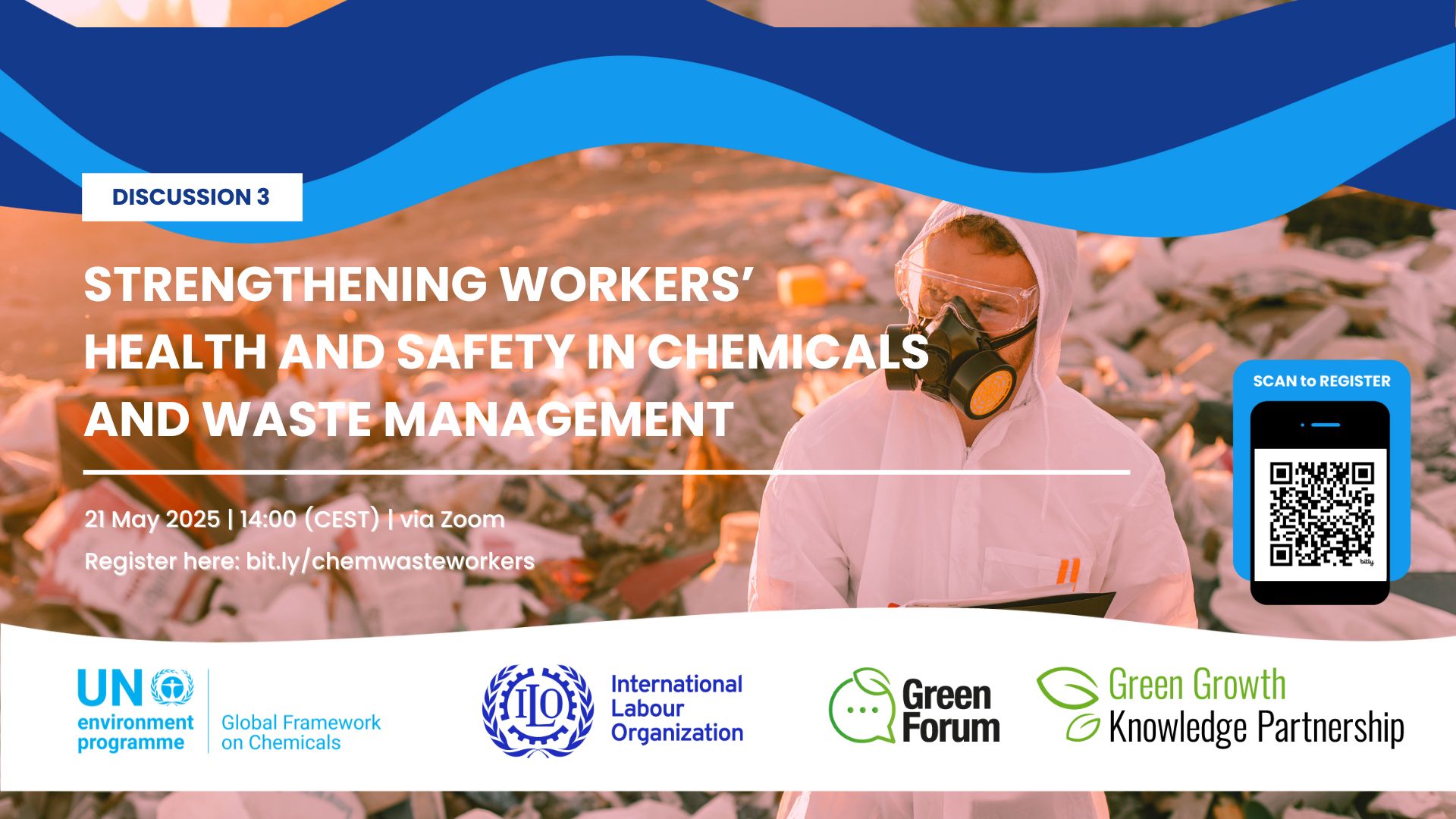
Missed the event? Catch up on the discussion on Strengthening Workers’ Health and Safety in Chemicals and Waste Management!Workers handling hazardous chemicals face serious health risks every day. Read More

fgh f

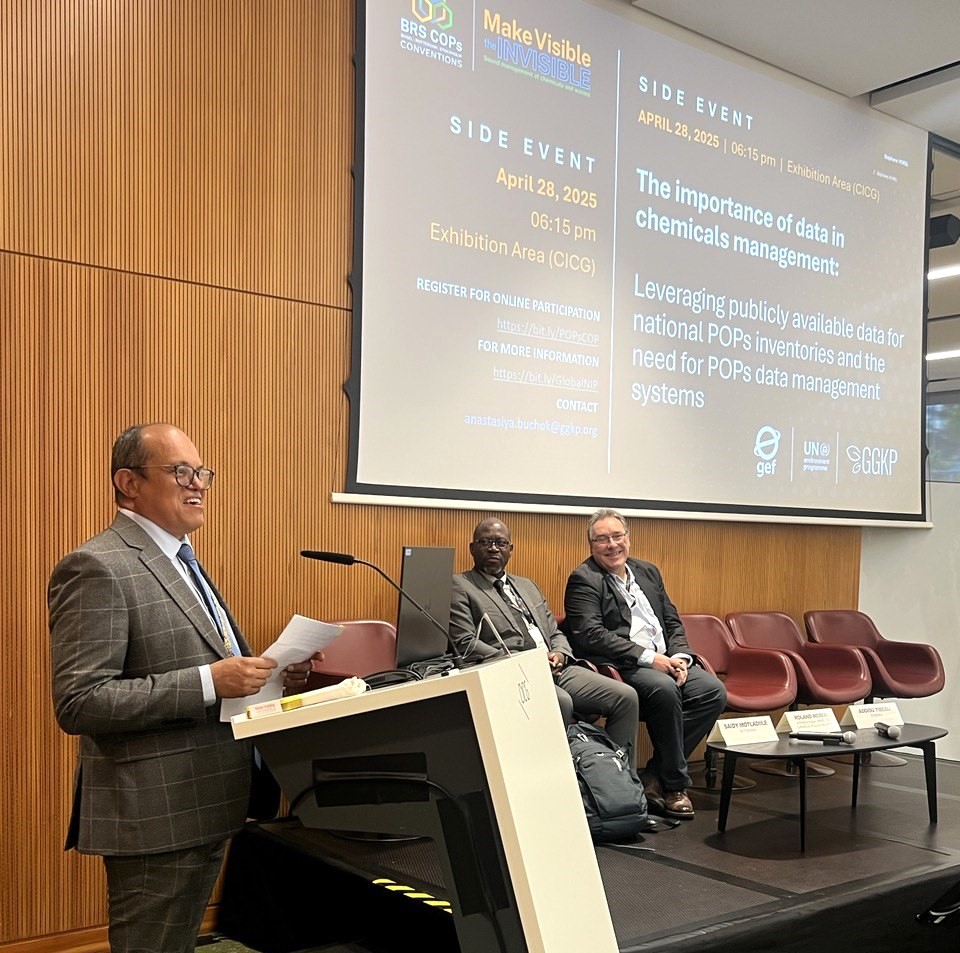
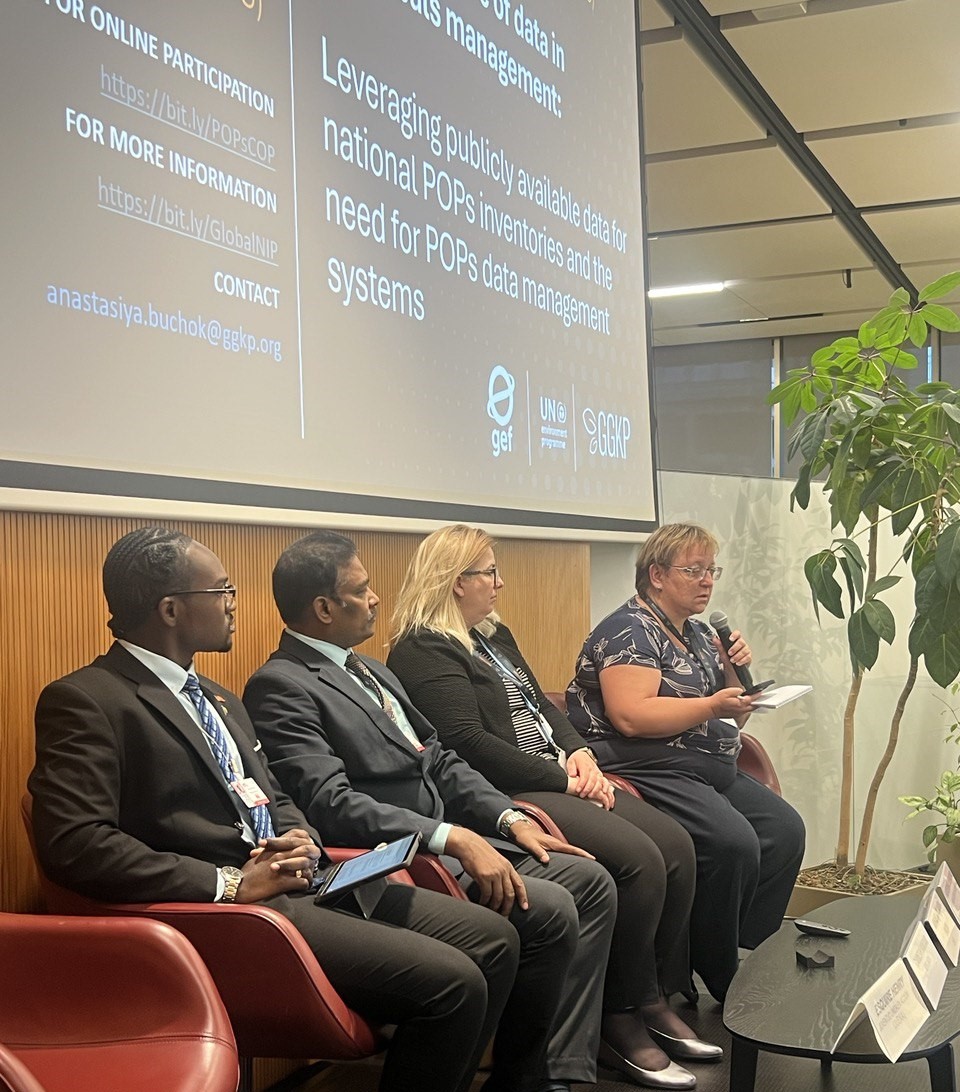
? On 28 April 2025, GGKP hosted a side event under the GEF-funded Global NIP Update project (GEF ID 10785), in collaboration with UNEP’s Chemicals and Health Branch (Knowledge and Risk Unit), as part of the 2025 Meetings of the Conferences of the Parties to the Basel, Rotterdam and Stockholm Conventions.

Opened by Dr. Rolph Payet, the Executive Secretary of the BRS Conventions, the event focused on how countries can strengthen their inventories of Persistent Organic Pollutants (POPs) by leveraging publicly available data and improving national data collection practices.

The discussion reaffirmed a shared understanding among participants: strengthening POPs inventories requires more than access to publicly available data. Countries must also proactively consider how to generate relevant national datasets, establish robust methods for analyzing data, and develop systems for managing and applying this information effectively.

Such efforts are essential for informed decision-making and more effective management of hashtag#POPs at the national level.

We were honored to feature insights from Dr. Katerina Sebkova (RECETOX), Dr. Ramesh Kumar (NEERI), Mihaela Claudia Paun (UNEP KRU), Dr. Roland Weber (POPs Expert), Dana Lewis (BCRC Caribbean), Stephane Horel (Le Monde), Saidy Motladile (Department of Environmental Protection, National Environmental Laboratory, Botswana), Addisu Tibebu Kumsa (EPA Ethiopia), and Esquire Henry (Chemicals and Waste Youth Platform / Children and Youth International).

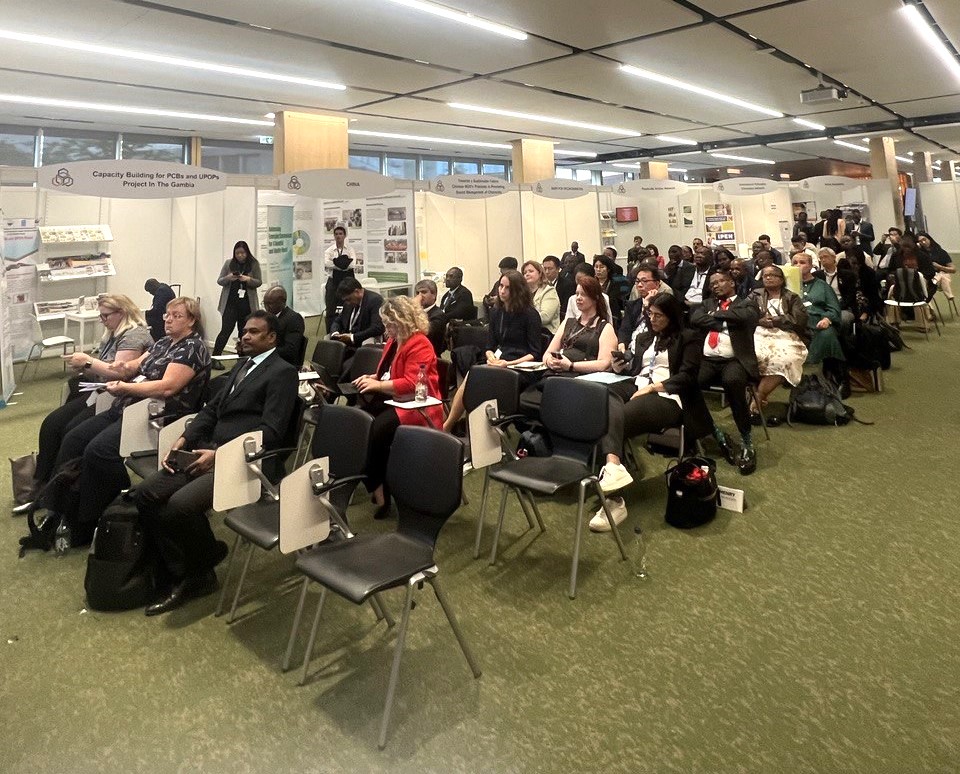
A big thank you to all speakers and a highly engaged audience committed to data-informed action for sound chemicals and waste management.

Read More

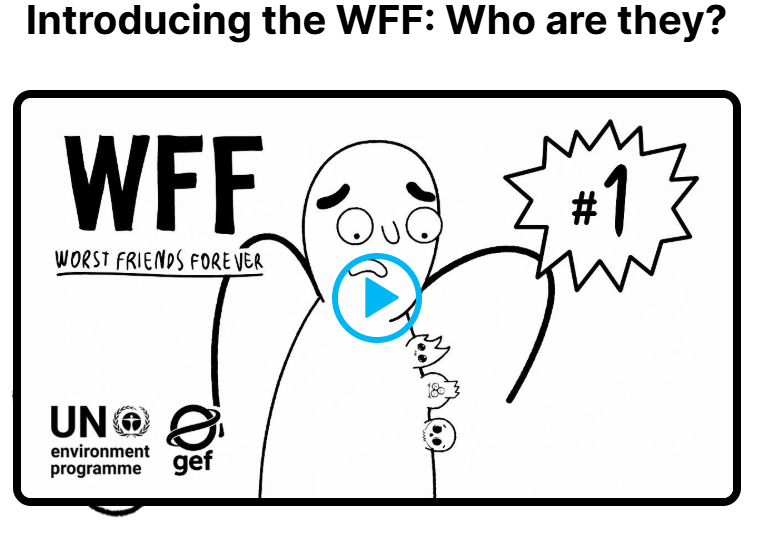
As the meetings of the Conferences of the Parties to the Basel, Rotterdam and Stockholm Conventions (BRS COPs) continue in Geneva, the Worst Friend's Forever campaign by the UNEP-GEF Global Monitoring Plan is turning the spotlight on Persistent Organic Pollutants (POPs) — invisible chemicals that threaten our health, contaminate our ecosystems, and linger for generations. This campaign reminds us that some bonds—like those with POPs—are dangerously hard to break.

Let’s raise awareness, push for stronger controls, and work toward a toxic-free future: https://www.unep.org/interactives/worst-friends-forever/

If we wouldn't keep a toxic friend around—why tolerate toxic chemicals in our environment?

Read More

https://www.unep.org/interactives/worst-friends-forever/
Green Growth Knowledge Partnership(GGKP), United Nations Environment Programme(UNEP), Global Environment Facility(GEF), Basel Convention Regional Centre for Training and Technology Transfer for the Caribbean(BCRC-Caribbean)

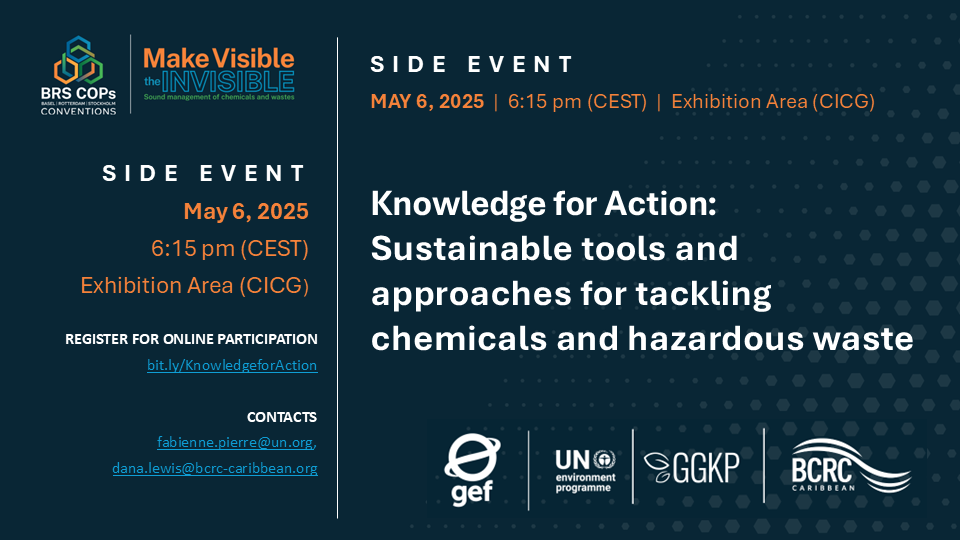
Discover how innovation is shaping chemicals and waste solutions—join our side event at the 2025 Meetings of the Conferences of the Parties to the Basel, Rotterdam and Stockholm Conventions (BRS COPs). This session dives into the power of sustainable tools and digital knowledge systems to tackle… Read More

Green Growth Knowledge Partnership(GGKP), the United Nations Environment Programme(UNEP), Global Environment Facility(GEF)

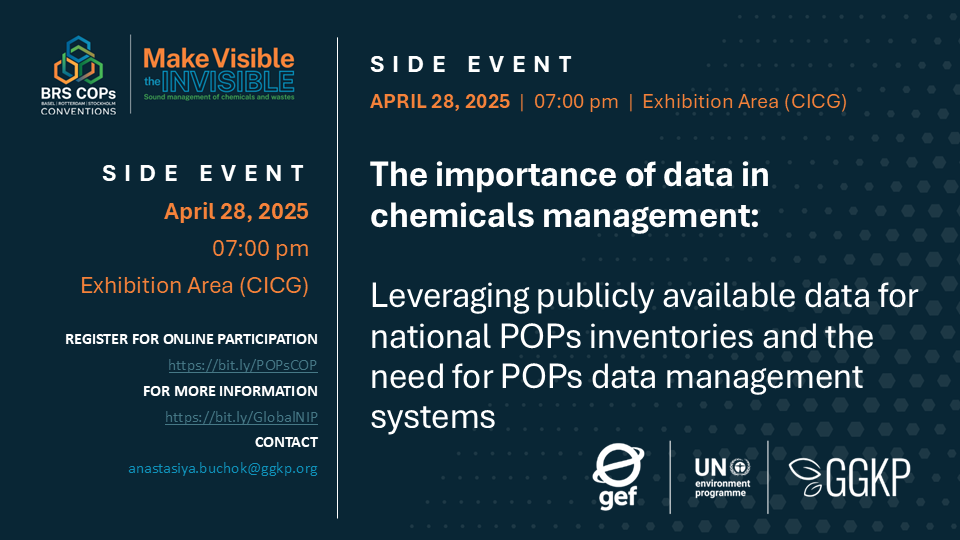
Join us for this 2025 Meetings of the Conferences of the Parties to the Basel, Rotterdam and Stockholm Conventions (BRS COPs) side event to explore how publicly available data sources and data management systems can strengthen Persistent Organic Pollutants (POPs) inventories and inform National… Read More

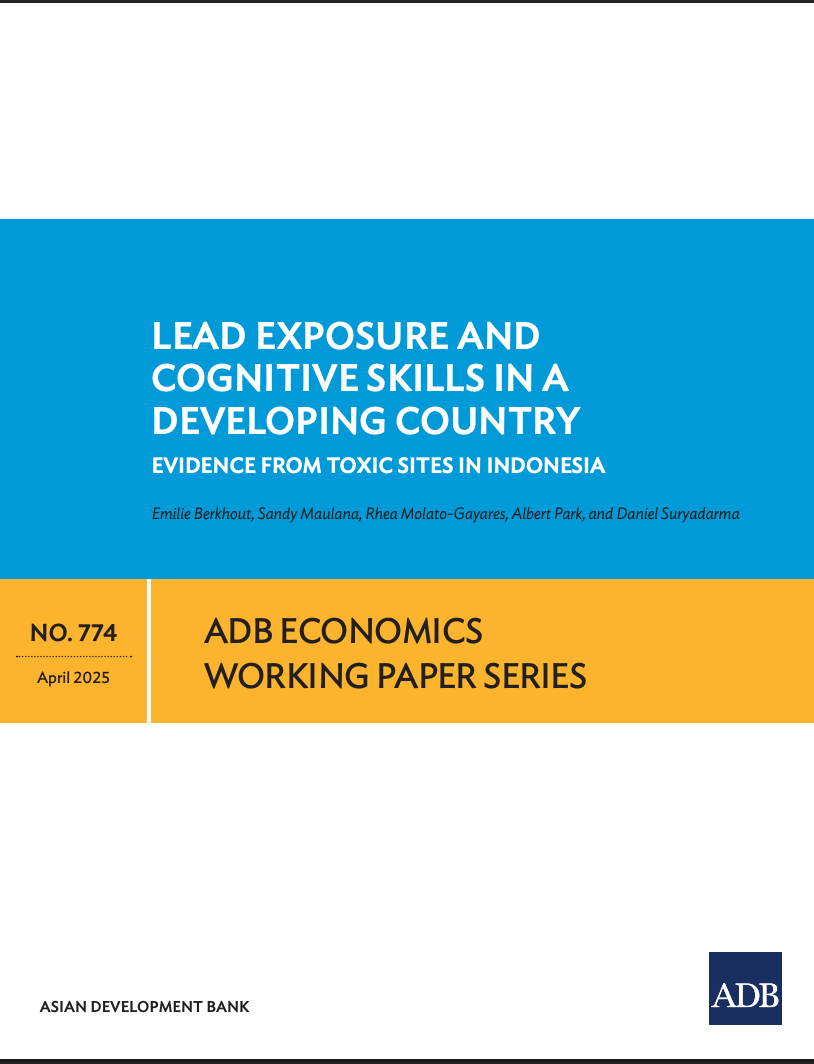
Recycling used lead-acid batteries plays an important role in resource recovery—but when not managed properly, it can pose serious environmental and health risks. Facilities situated near homes and schools can significantly increase lead exposure, especially among children.Sharing this from the… Read More

Per- and polyfluoroalkyl substances (PFASs) are widely used chemicals known for their durability—but also for their persistence in the environment and potential to accumulate in people and wildlife. As global concern grows, some PFASs are now regulated under the Stockholm Convention. The OECD promotes information exchange and supports the shift to safer alternatives. Check out OECD's PFAS webpage to access reports, webinars and information on country risk management approaches.

Read More

https://www.oecd.org/en/topics/sub-issues/risk-management-risk-reduction-and-sustainable-chemistry/p...
Ousmane Niang commented on Ousmane Niang's Post in Chemicals and Waste Management Community of Practice (CoP)

Dear community members,
I share this national tender notice of BCRC/SCRC Senegal for the recruitment of National Project Assistants. This call for tenders is part of the ISLANDS Atlantic project, which covers three countries: Cape Verde, Guinea-Bissau, and Sao Tome & Principe. Please find the links below for more information.

Read More

https://produitschimiques.crcbsaf.org/2025/04/14/recruitment-of-a-national-project-assistants/ ...
Stephani Widorini commented on Henry Tyce's Post in Chemicals and Waste Management Community of Practice (CoP)

Dear Community Members,

The first meeting of the Open-Ended Working Group (OEWG) for the Global Framework on Chemicals (GFC) will be held from 24–27 June 2025 at the Convention and Exhibition Centre in Punta del Este, Uruguay. The event is open to all stakeholders committed to sustainable global chemicals management, particularly professionals representing governments, industry, health and labour, business and industry associations, academia, and non-governmental associations.

If you would like to register please see the attached PDF invite to the OEWG. If you have any queries please visit our website and contact the GFC via the listed email address.

Read More

https://www.unep.org/events/conference/open-ended-working-group-oewg-global-framework-chemicals
pdfGFC_OEWG 2025 invitation letter.pdf186.5 KB

Air pollution remains a major health crisis, with children among the most vulnerable. This WHO Special Report for COP29 highlights how pollution—much of it linked to industrial waste, hazardous chemicals, and unsustainable production—is driving serious health risks.But solutions exist. A circular… Read More