Upcoming Events

Financing Agrochemical Reduction and Management (FARM)

A post is already pinned to this stream. Would you like to replace it?
Green Growth Knowledge Partnership(GGKP)

📢 You are invited to the next edition of the FARM Knowledge Series, discussing a topic that has the potential to undermine regulatory systems, legitimate markets, and efforts to promote safer and more sustainable pest management.Don’t miss the next edition of the FARM Knowledge Series, where we… Read More

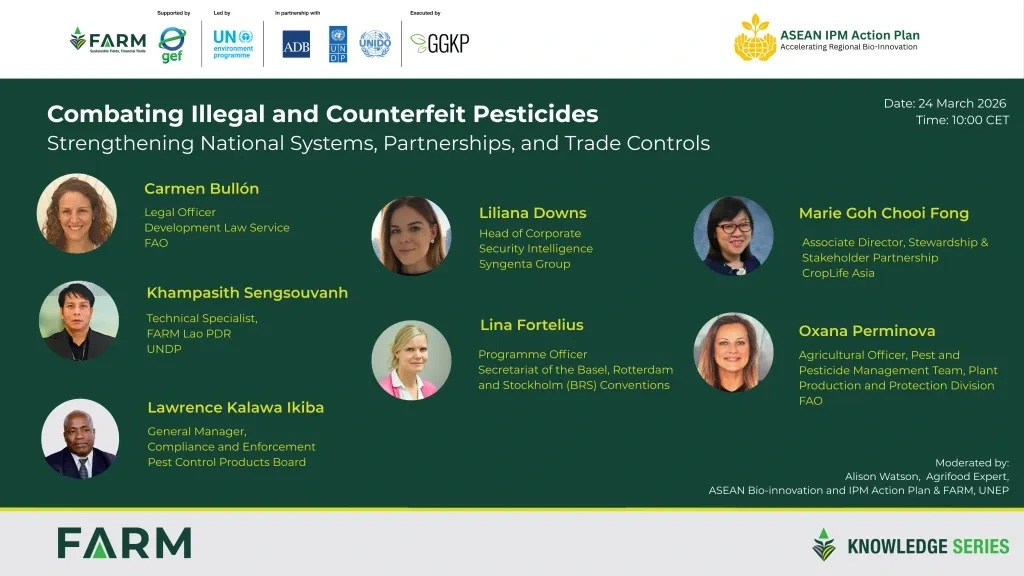
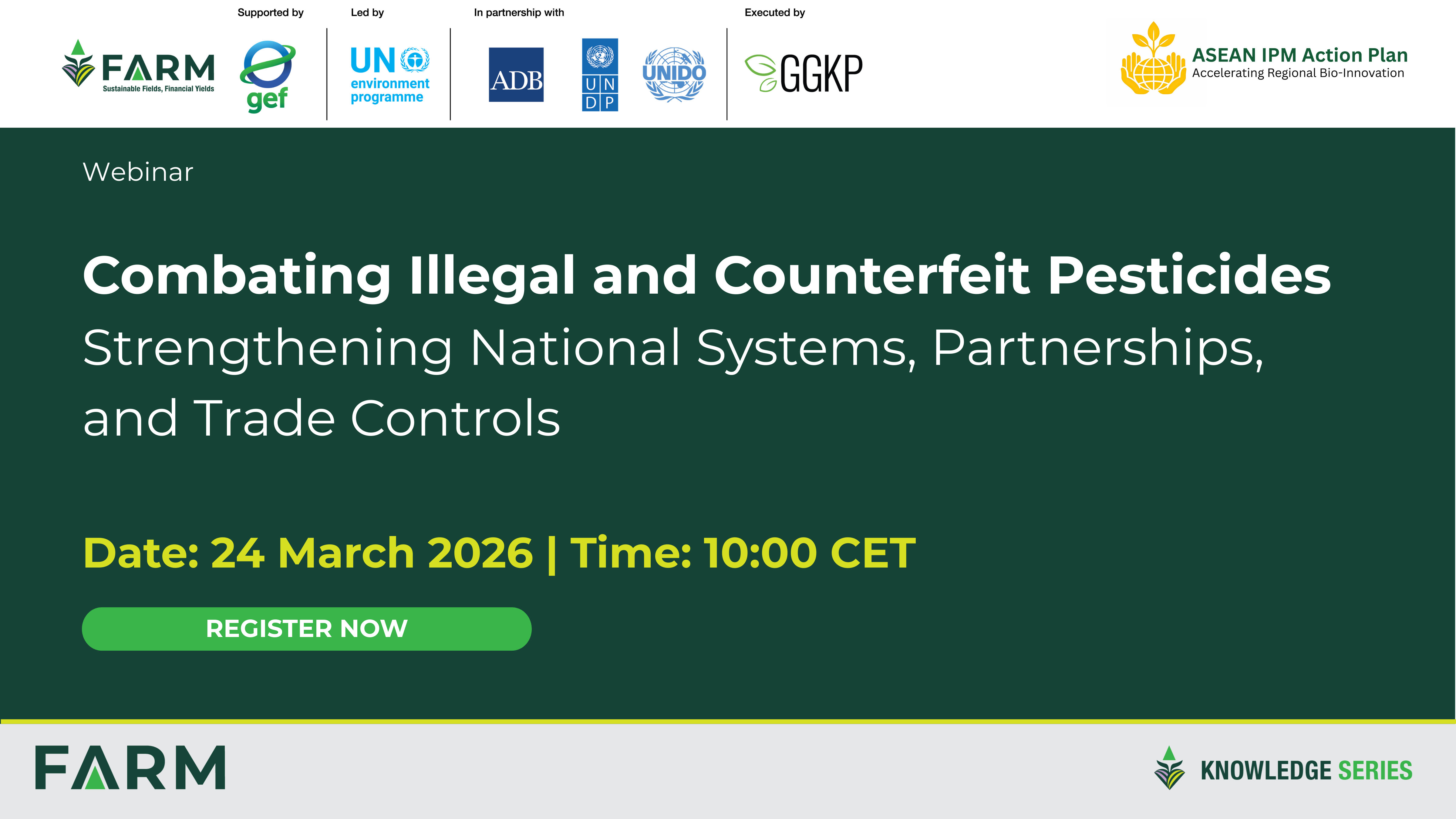
📢 You are invited to the next edition of the FARM Knowledge Series, discussing a topic that has the potential to undermine regulatory systems, legitimate markets, and efforts to promote safer and more sustainable pest management. 

This webinar hosted under under the FARM Knowledge Series brings together national regulators, customs authorities, industry representatives, and international organizations to examine practical experiences in combating illegal and counterfeit pesticides. It will explore enforcement approaches, cross-border cooperation, industry collaboration, and multilateral tools that can strengthen national systems.


Illegal and counterfeit pesticides are a serious problem in many countries. These products may be smuggled, fake, unregistered, or falsely labelled. They often bypass safety checks and quality controls. As a result, they can harm farmers’ health, damage crops, contaminate soil and water, and reduce trust.

This session will address how: 

• National challenges countries face in combating illegal and counterfeit pesticides.

• The role of cross-border cooperation and customs enforcement in reducing illegal trade. 

• How industry and regulators can work together to protect supply chains

• The place of international frameworks in supporting national enforcement efforts.

 â€˘ Practical steps to strengthen the monitoring and management of illegal pesticides.

Register now!

Read More

https://zoom.us/webinar/register/WN_dAp6GsEjSduJn_PTJHudBw

Bridging knowledge and application - Leading a new generation

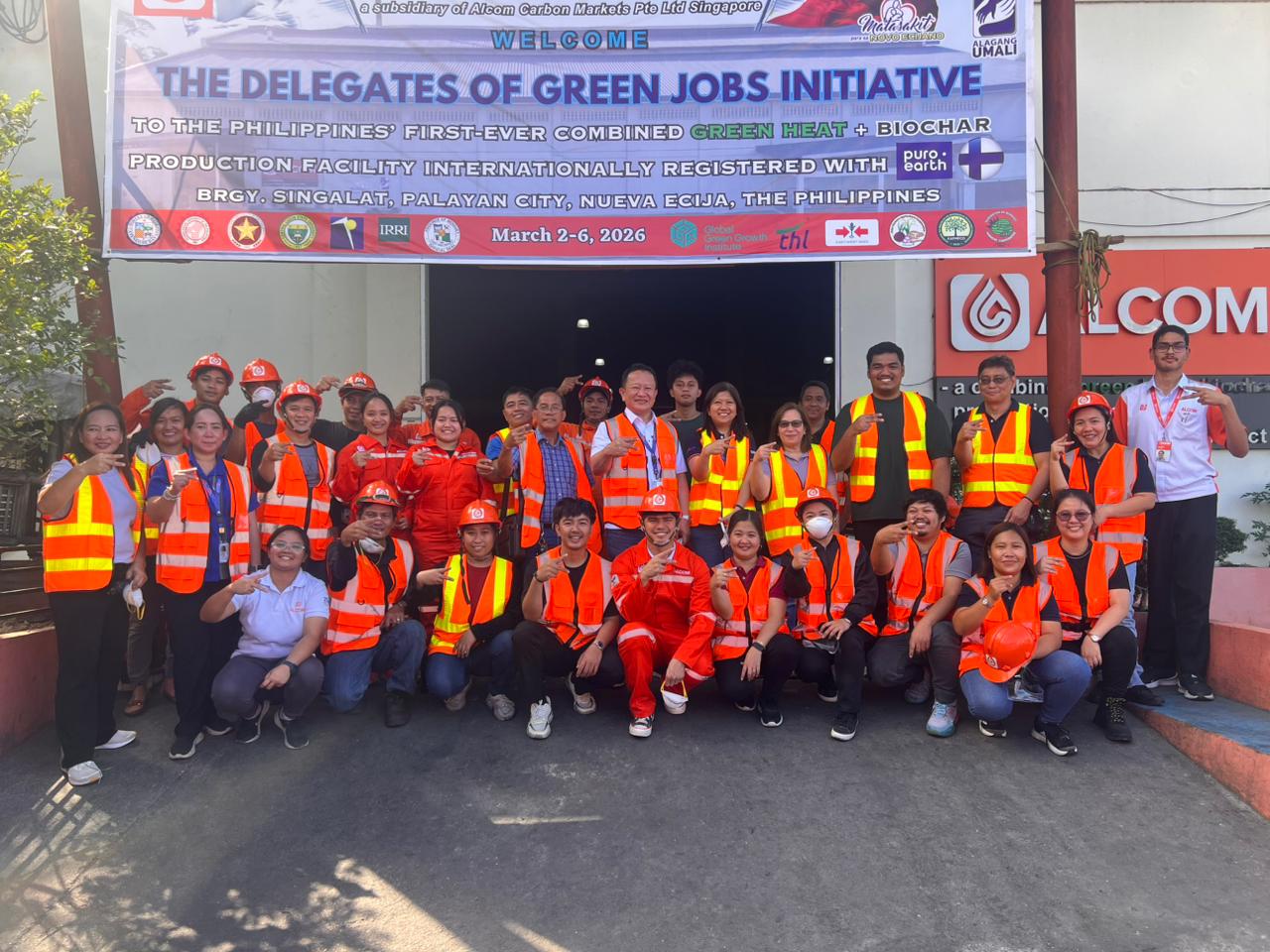
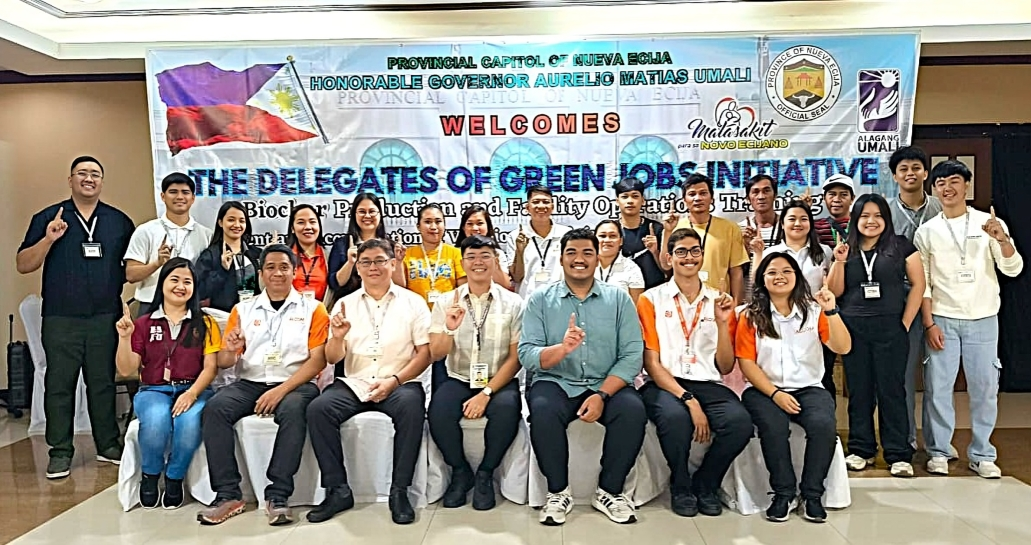
We are advancing the world’s first Technical Vocational Education and Training (as quoted by GGGI) program dedicated to biochar. As part of the process toward approval by the nation’s educational authority, we conducted a pilot training from 2 to 6 March with 24 participants representing colleges, community members, and government officials. The pilot serves as a key validation step prior to formal approval and national rollout.

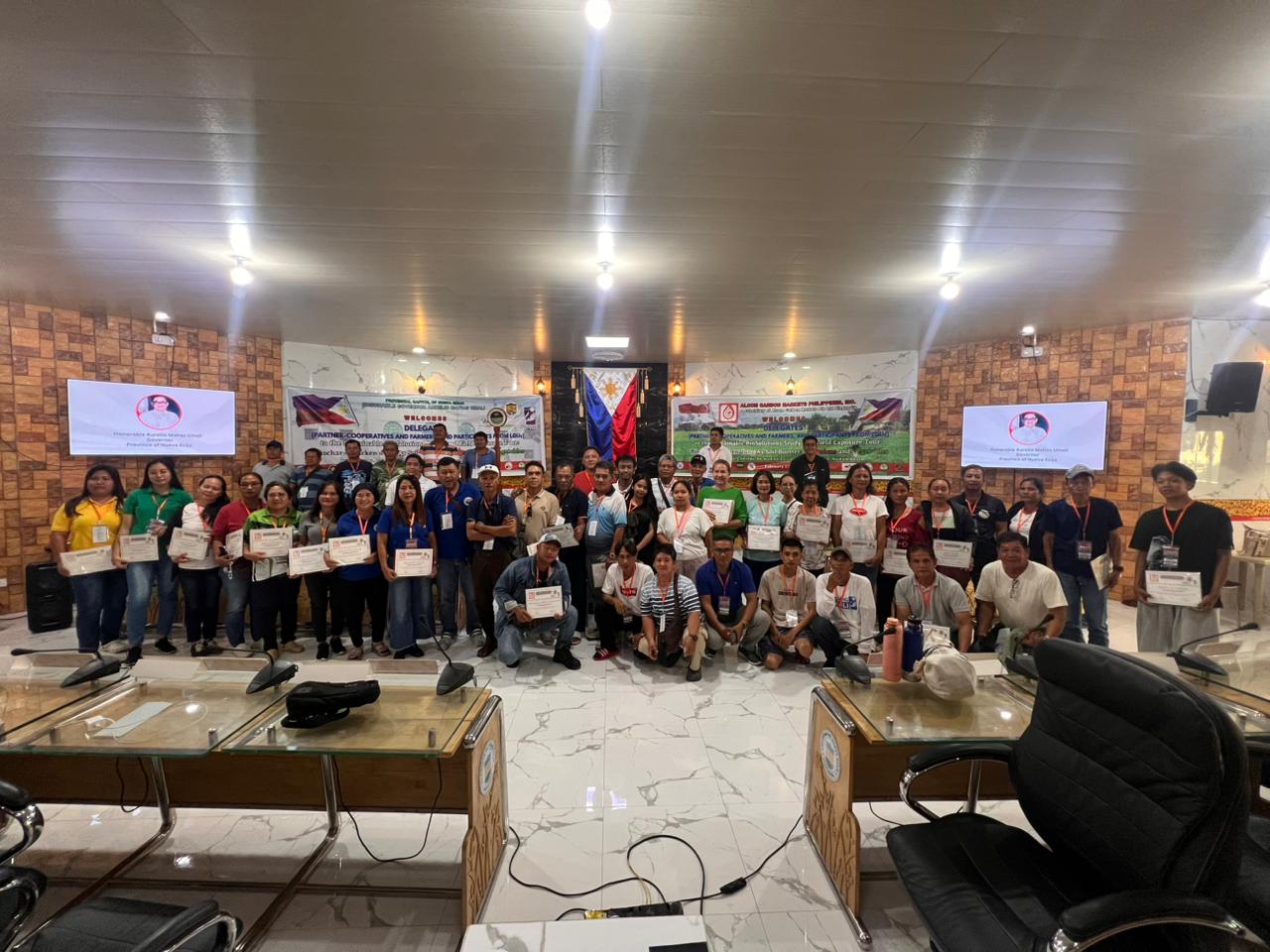
We are also continuing our Biochar Study Tours. Pioneering the first in the Philippines, the fourth tour was held in Palayan on 26 February with 68 participants from cooperatives, garnering communities, and both small and large farmers. The tour demonstrated biochar production, application, and field-level impact, with external users reporting reduced chemical and water inputs, higher yields, and improved crop quality. 

Read More

https://drive.google.com/file/d/1jI6YysY7XP7QWOJf_AIrAGk-_AWqI7zb/view?usp=sharing

A very insightful article here from AgFunderNews.com.

"In food and ag, incumbent companies hold the keys. They own the distribution channels, the regulatory muscle, and the customer relationships. If you want to scale, you have to go through them. Inside that reality, most corporations are behaving exactly as their incentives tell them to: protect the core business, avoid surprises, outsource risk. "

"We behave as if our current model of the world – synthetic chemistry, commodity exports, abundant fossil energy, relatively stable trading systems – will hold, perhaps with some ESG tweaks around the edges. When black swans ......., show up. We respond by trimming risk, not by upgrading the system’s ability to adapt."

"Militaries invest in redundant systems, simulation, intelligence, and scenario planning so they can absorb surprises and come out smarter on the other side. Volatility is treated as a reason to add capabilities, not cut them." 

Read More

https://agfundernews.com/how-to-stop-playing-the-old-game-in-ag-innovation
Nadya Pryana commented on Maelys NIZAN's Post in Financing Agrochemical Reduction and Management (FARM)
The article “Agro Tourism: Boon to Sustainable Farming” by Dr. Tanu Sethi is featured in Kurukshetra, a national magazine published by the Publication Division, Ministry of Information and Broadcasting, Government of India. 

It presents agrotourism as a strategic tool to strengthen rural livelihoods while advancing sustainable agriculture in India. It argues that integrating tourism with farming, particularly organic, can create economic incentives that support environmentally responsible practices and reduce reliance on harmful agrochemicals.

The paper highlights India’s strong agricultural base and the need to diversify income for small and marginal farmers. By connecting visitors directly with farms through homestays, plantation visits, and organic cultivation experiences, agrotourism increases the value of chemical-free and sustainable production. As tourists increasingly seek authentic, safe, and environmentally friendly food systems, farmers gain market-driven motivation to shift toward low-input and organic methods. 
The article also emphasizes capacity building, eco-friendly crop protection, and policy support as key enablers of sustainable agriculture. Agrotourism can reinforce this transition by turning farms into demonstration sites for responsible agriculture, strengthening consumer awareness and rewarding reduced agrochemical use. In this way, tourism becomes a practical lever for accelerating the shift toward safer, regenerative farming systems.
 

Read More

https://www.geffarm.org/research/agro-tourism-boon-sustainable-farming
Nadya Pryana commented on Benjamin Warr's Post in Financing Agrochemical Reduction and Management (FARM)

Health costs of pesticides estimated at 816 billion globally from pesticides (2023), the biggest of the 4 listed

Read More

https://www.systemiq.earth/reports/invisible-ingredients/

Fixing Nitrogen

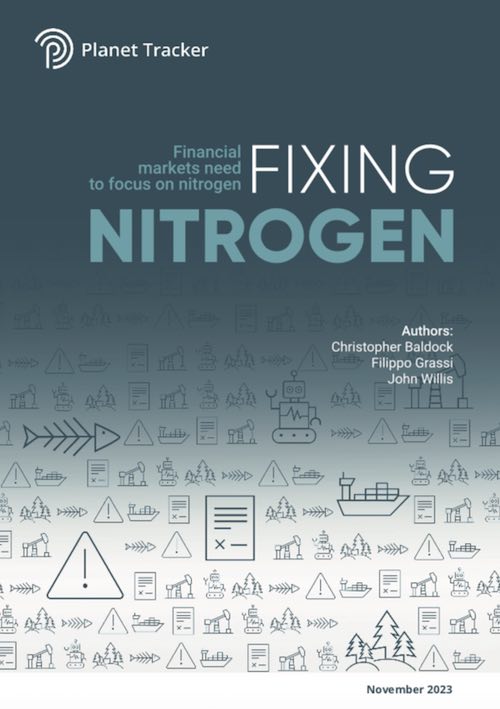
Fixing Nitrogen: Financial markets need to focus on nitrogen, presents a detailed analysis of the shortcomings of the global nitrogen industry, which is critical for producing ammonia-based fertilisers essential to food production. The report warns that financial markets must push for increasing industry efficiencies to meet up to nine SDGs, feed a growing global population and prepare to meet the Global Biodiversity Framework, which calls for reducing nutrient losses to the environment by 50% by 2030.


Read More

https://planet-tracker.org/fixing-nitrogen/

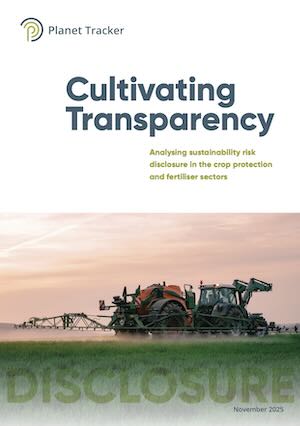
Cultivating Transparency: Analysing Sustainability Risk Disclosure in the Crop Protection and Fertiliser Sectors

A new report by Planet Tracker

Fertiliser and crop protection companies are central to global food production. However, there is growing recognition that the sector is exposed to a range of sustainability related risks. These range from water pollution and eutrophication to biodiversity impacts, greenhouse gas emissions and toxic impacts on human health. These risks are attracting increased regulatory scrutiny, reputational risk and consumer pressure.

In this report, Planet Tracker used large language models to analyse over 1,900 public documents from 20 of the largest fertiliser and crop protection producers globally assessing how effectively they disclose sustainability-related risks to investors and other stakeholders.

Key findings:

Disclosure varies widely across risk areas.

Water pollution is well covered, but issues like eutrophication and soil fertility are often overlooked.

More immediate or tangible risks, such as those linked to litigation or regulation, are discussed more consistently than longer-term or less tangible risks.


Read More

https://planet-tracker.org/cultivating-transparency-analysing-sustainability-risk-disclosure-in-the-...
Sarthak Pandey commented on Sarthak Pandey's Post in Financing Agrochemical Reduction and Management (FARM)
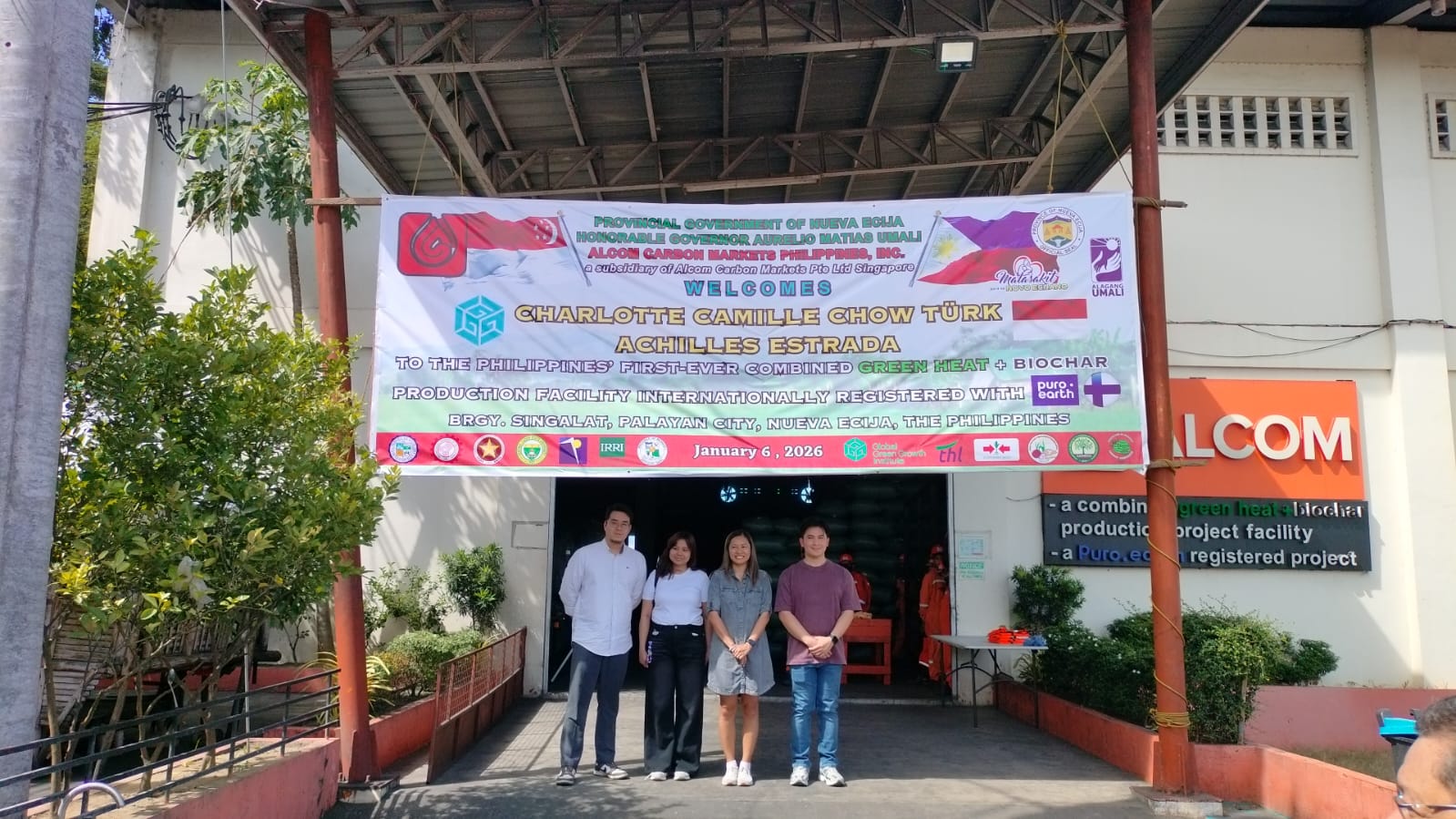
Representatives from GGGI Indonesia and the Philippines visited ALCOM’s biochar production and biofertilizer processing facilities to review operational processes and assess investment prospects. The visit focused on how biochar and organic inputs are produced, integrated, and applied to support fertiliser reduction, soil health improvement, and low-carbon farming systems. Discussions covered scalability, on-ground implementation, and alignment with national climate and agricultural goals, highlighting practical pathways for sustainable agrochemical reduction and climate-smart agriculture under the FARM framework.


@Marcel Silvius , Achilles Voltaire Estrada , @Charlotte Camille 

Read More

Sharing this case study from Brazil: it shows how degraded soil (potentially from pesticide overuse) affects financial vulnerability along value chain, as a result of extreme weather. 

This demonstrates how climate change-biodiversity-pollution nexus can operate.

Read More

https://www.cisl.cam.ac.uk/files/robeco-cisl_nature-related_financial_risk_use_case_-_land_degradati...