About this Discussion

In 2019, over 92 billion tonnes of materials were extracted and processed, contributing to about half of global CO2 emissions. This “take-make-dispose” approach and the resulting waste – including plastics, textiles, food, electronics and more – is taking its toll on the environment and human health.

A circular economy model replaces this end-of-life concept with restoration, shifts towards the use of renewable energy, eliminates the use of toxic chemicals, which impair reuse and return to the biosphere, and aims for the elimination of waste through the superior design of materials, products, systems and business models. The circular economy approach improves resource efficiency and reduces environmental impact on natural capital by designing products in a more recyclable way, adopting efficient technology and turning waste into a resource. The circular economy offers a trillion-dollar opportunity in terms of possible material savings, innovation and job creation, improved land productivity and soil health, and green growth. Achieving this, however, requires strong collaboration between leaders from business, government and civil society.

Upcoming Events

Circular Economy

Pinned post
Kaduyu Abdallah Mwije commented on Karen Lapitan's Post in Circular Economy
Karen Lapitan

Created a Post in Circular Economy

In case you missed it, we are pleased to share with you the recording of our UNEA-7 associated event, “The Network is the Solution: A Strategic Dialogue on Data, Science, and Knowledge Networks for a Circular Economy.”

This session brought together representatives and technical experts from the scientific community, governments, international organizations, and the business sector to explore strategic partnerships and actionable solutions that translate scientific and technical insights into effective policies and real-world impact.

Read More

https://youtu.be/_MHNAGGrLg4?si=G0qDzYNNdwHrNRM3
pdfPPT presentation UNEA 7 The Network is the Solution.pdf8.58 MB
A post is already pinned to this stream. Would you like to replace it?
Karen Lapitan

At the center, Dr. Lilibeth A. Acosta, Deputy Director and Program Manager of the Global Green Growth Index at GGGI, and Dr. Fabienne Pierre, Coordinator of GGKP at UNEP, receiving the Innovative Impact Award for the Global Green Growth Index at the AI for Good Global Summit in Geneva, Switzerland, on 7 July 2026.

Global Green Growth Index Receives AI for Good Innovative Impact Award

The Global Green Growth Institute (GGGI) and the Green Growth Knowledge Partnership (GGKP) are pleased to announce that the Global Green Growth Index has received the Innovative Impact Award at the AI for Good Global Summit 2026, organized by the International Telecommunication Union (ITU) in partnership with United Nations agencies and global stakeholders.

The award recognizes the Index's innovative application of artificial intelligence to support evidence-based policymaking for green growth and sustainable development. Presented under the Human-Centered AI for Knowledge, Creativity and Industrial Transformation track, the award highlights how the Index uses AI to transform complex environmental, economic, and social data into accessible, actionable insights for policymakers. 

This recognition reflects our commitment to harnessing innovation and artificial intelligence to help countries accelerate green growth and strengthen their long-term competitiveness. In 2025, we enhanced the Global Green Growth Index with two major innovations: AI-enabled assessments of countries' green growth potential, and multilingual generative AI integrated into the online platform to transform complex sustainability data into practical, policy-relevant insights. By making green growth information more transparent, accessible, and actionable, we are helping governments identify priorities, monitor progress, and make better-informed decisions that drive resilient, inclusive, and competitive economies. This would not have been possible without the Green Growth Knowledge Partnership, with whom we work to deliver trusted global public goods,” said GGGI Executive Director Sang-Hyup Kim. 

A global framework for measuring green growth
Since its launch in 2019, the Global Green Growth Index has become a flagship framework for measuring green growth performance worldwide. Developed by GGGI through the collaborative platform of GGKP, the Index reflects a methodology refined through extensive consultations with GGGI Member Countries and an international network of experts between 2017 and 2019.

Covering more than 150 countries, the Index measures performance across four dimensions: efficient and sustainable resource use, natural capital protection, green economic opportunities, and social inclusion.

Drawing on internationally recognized indicators and a transparent, science-based methodology, the enhanced 2025 Global Green Growth Index combines composite index modeling with advanced AI analytics to assess green growth performance, potential, and pathways. Its AI capabilities include AI-assisted time-series diagnostics, multilingual generative policy analysis, and explainable AI.

By translating complex dashboard analytics into structured, policy-relevant narratives in multiple languages, the Index enables governments, development partners, researchers, and other stakeholders to better understand green growth challenges and opportunities, supporting more informed, evidence-based policy and investment decisions while making complex sustainability analytics more accessible to a wider range of users.

The Index has been applied in global, regional, and national assessments, supporting policy dialogue and strategic planning across a wide range of development priorities. By integrating environmental, economic, and social indicators into a single analytical framework, it provides policymakers with a comprehensive picture of green growth and supports more coherent approaches to sustainable development.

A recognition of global collaboration
The Innovative Impact Award also recognizes the global partnership behind the Global Green Growth Index. Since its inception, the Index has benefited from the technical expertise, peer review, and collaboration of over 50 leading international organizations, development partners, academic institutions, and research organizations.

As a knowledge network and collaborative platform, GGKP has played a central role in providing the space and creating opportunities for a fruitful technical cooperation that has strengthened the scientific credibility, policy relevance, and global uptake of the Index.

"GGKP was created on the belief that knowledge has a greater impact when it is shared. By connecting organizations and fostering collaboration, we have helped transform individual expertise into collective intelligence that supports better policies and greater global impact," said GGKP Coordinator Fabienne Pierre.

Notes to Editors

About the Global Green Growth Index
The Global Green Growth Index is a comprehensive framework developed by the Global Green Growth Institute (GGGI) through the Green Growth Knowledge Partnership (GGKP) to measure and benchmark countries' progress towards green growth. Covering more than 150 countries, the Index provides governments and development partners with evidence-based insights to support policy design, investment decisions and progress monitoring.

Learn more about GGGI and GGKP:
•    Global Green Growth Institute
•    Green Growth Knowledge Partnership

Contributing partner organizations
GGGI gratefully acknowledges the contributions of the international organizations, academic institutions, and research partners that have supported the Global Green Growth Index since its inception. A full list of partner organizations and contributing experts is available at this link https://ggindex-simtool.gggi.org/Experts

Read More

https://www.greenpolicyplatform.org/news/global-green-growth-index-receives-ai-good-innovative-impac...
Mario Yuan Galbert
Mario Galbert

Created a Post in Circular Economy

The Caribbean's future depends on the health of its ocean. From fisheries and tourism to food security, livelihoods, and climate resilience, our marine ecosystems sustain the region's economies and communities. Yet these ecosystems face growing threats from climate change, plastic pollution, coral reef degradation, sargassum influx, overfishing, and emerging pressures such as deep seabed mining.

To help address these challenges, the Caribbean Youth Climate Council (CYCC) is organizing the Regional Ocean Conservation Youth Workshop, which will take place from July 22–25, 2026, in Kingston, Jamaica under the theme "Championing a Sustainable Blue Economy for a Resilient Caribbean."

Building on momentum generated through the inaugural Caribbean Youth Environment and Climate Change Conference in 2025, this workshop will bring together 30 young leaders, advocates, and practitioners from across the Caribbean to strengthen their knowledge of ocean governance, marine conservation, climate resilience, and sustainable blue economy solutions.

Following the workshop, participants will remain connected through the Caribbean Youth Climate Council network, helping to advance ocean advocacy, knowledge-sharing, and environmental action within their respective countries and communities.

Over the past four months, the CYCC Secretariat has worked diligently to plan this regional initiative and mobilize support from partners across the Caribbean and beyond. However, shifting donor priorities and funding constraints have created a funding gap of approximately US$7,500, which is needed to cover essential venue and catering costs. We have until July 21, 2026 to secure these resources and ensure the successful delivery of the workshop.

Your support is an investment in the next generation of Caribbean Ocean leaders. By contributing to this initiative, you are helping equip young people with the knowledge, networks, and tools needed to protect the Caribbean Sea and champion sustainable solutions for generations to come.

Be the first to donate 10 USD to our Go Fund me:https://gofund.me/3e24af30b


Read More

Karen Lapitan commented on Karen Lapitan's Post in Circular Economy
Karen Lapitan

Shared an Event in Circular Economy

Dear colleagues, you might be interested to join this CoP event.

Kaduyu Abdallah Mwije commented on Karen Lapitan's Post in Circular Economy
Karen Lapitan

Created a Post in Circular Economy

In case you missed it, we are pleased to share with you the recording of our UNEA-7 associated event, “The Network is the Solution: A Strategic Dialogue on Data, Science, and Knowledge Networks for a Circular Economy.”

This session brought together representatives and technical experts from the scientific community, governments, international organizations, and the business sector to explore strategic partnerships and actionable solutions that translate scientific and technical insights into effective policies and real-world impact.

Read More

https://youtu.be/_MHNAGGrLg4?si=G0qDzYNNdwHrNRM3
pdfPPT presentation UNEA 7 The Network is the Solution.pdf8.58 MB
Green Growth Knowledge Partnership(GGKP)

The Green Growth Knowledge Partnership (GGKP) invites you to the side event at the 15th meeting of the Basel Convention Open-Ended Working Group "SIDS-led E-Waste Solutions: Addressing Structural Barriers". The session is hosted by the Implementing Sustainable Low… Read More

Green Growth Knowledge Partnership(GGKP)

The Green Growth Knowledge Partnership (GGKP) invites you to the side event at the 15th meeting of the Basel Convention Open-Ended Working Group "SIDS-led E-Waste Solutions: Addressing Structural Barriers". The session is hosted by the Implementing Sustainable Low… Read More

Sharing this opportunity from the Asian Development Bank:As Pacific communities advance circular solutions, the ADB Circular Pacific Logo Challenge is inviting creatives across the region to help shape the visual identity of a shared movement toward sustainability, resilience, and reduced waste.… Read More

Asian Development Bank(ADB)
Founder Green Mentors
VIRENDRA RAWAT

Created a Post in Circular Economy

Transforming Every University into a Green Engine of the Green Economy

Dear colleagues,

As the global community accelerates the transition toward a circular and green economy, universities have a critical role to play—not only as centers of knowledge, but as active engines of sustainable transformation.

At Green Mentors, we believe that every university can evolve into a “green engine” by embedding sustainability across:

Curriculum (green skills, climate literacy, circular economy thinking)

Campus operations (resource efficiency, zero waste, energy transition)

Research & innovation (solutions for climate, water, biodiversity, and materials)

Student engagement (future-ready, responsible graduates)

Such institutions do not just produce employable graduates—they cultivate responsible leaders for the green economy.

This transformation also aligns closely with circular economy principles:

designing out waste from campus systems

regenerating natural ecosystems

fostering innovation in sustainable production and consumption

However, the key question remains:

How do we systematically transform universities from passive knowledge centers into active drivers of circular and green economies?

We invite members of this community to share your perspectives:

What practical models or frameworks have worked on your campuses?

How can universities better integrate circular economy principles into education and operations?

What barriers do institutions face in becoming “green engines”?

How can global collaboration accelerate this transition?

Your insights can help shape a global movement toward responsible, regenerative higher education systems.

Let us co-create universities that power the future of the green economy.

Read More

United Nations Environment Programme(UNEP), One Planet Network, United Nations World Tourism Organization(UNWTO)

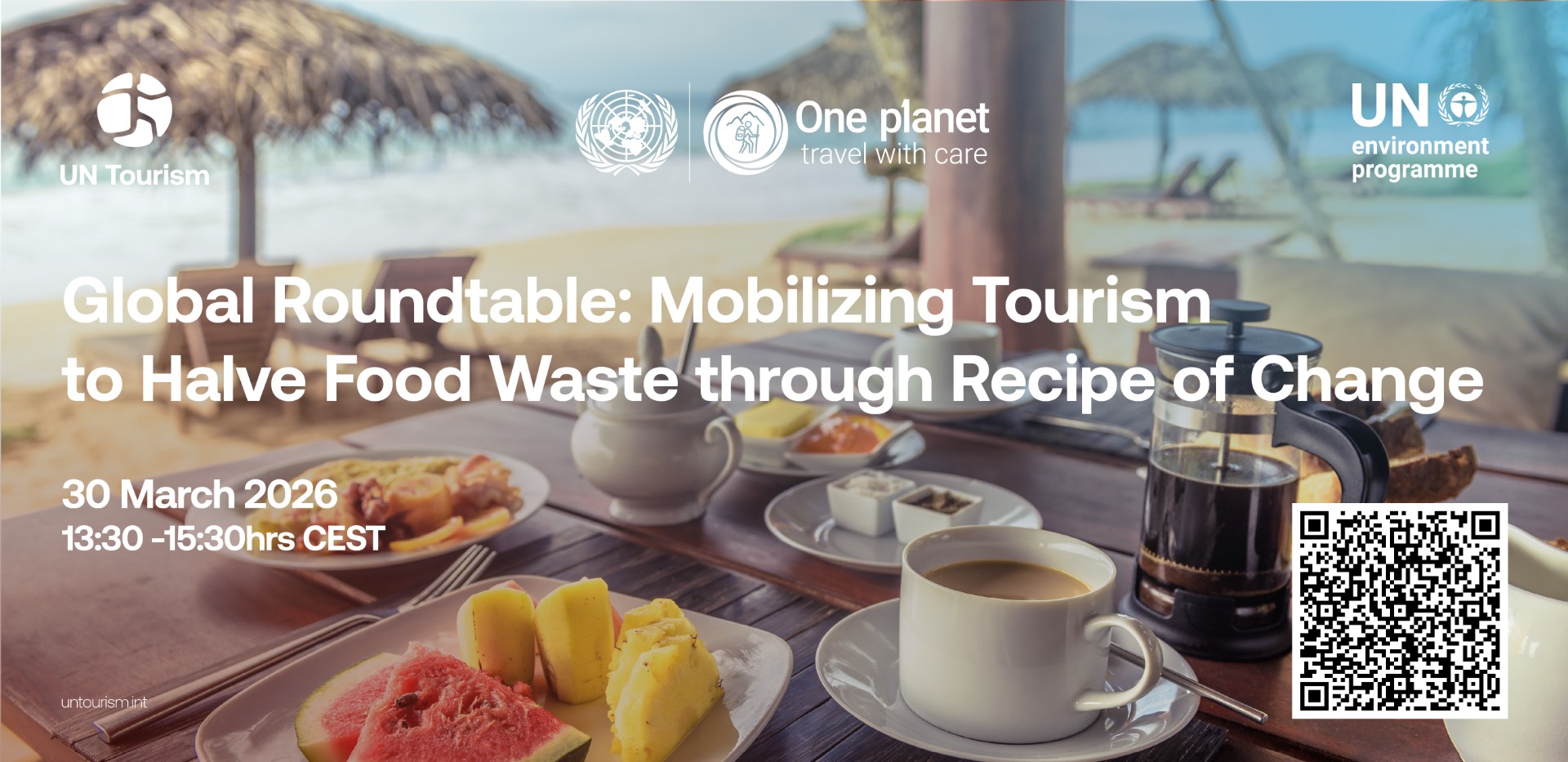
We are pleased to inform you that UNEP and UN Tourism will launch their new joint initiative, Recipe of Change, on 30 March. The initiative aims to reduce the environmental impacts of the tourism food service sector by addressing food waste and fostering behaviour change. We invite you to… Read More

Karen Lapitan

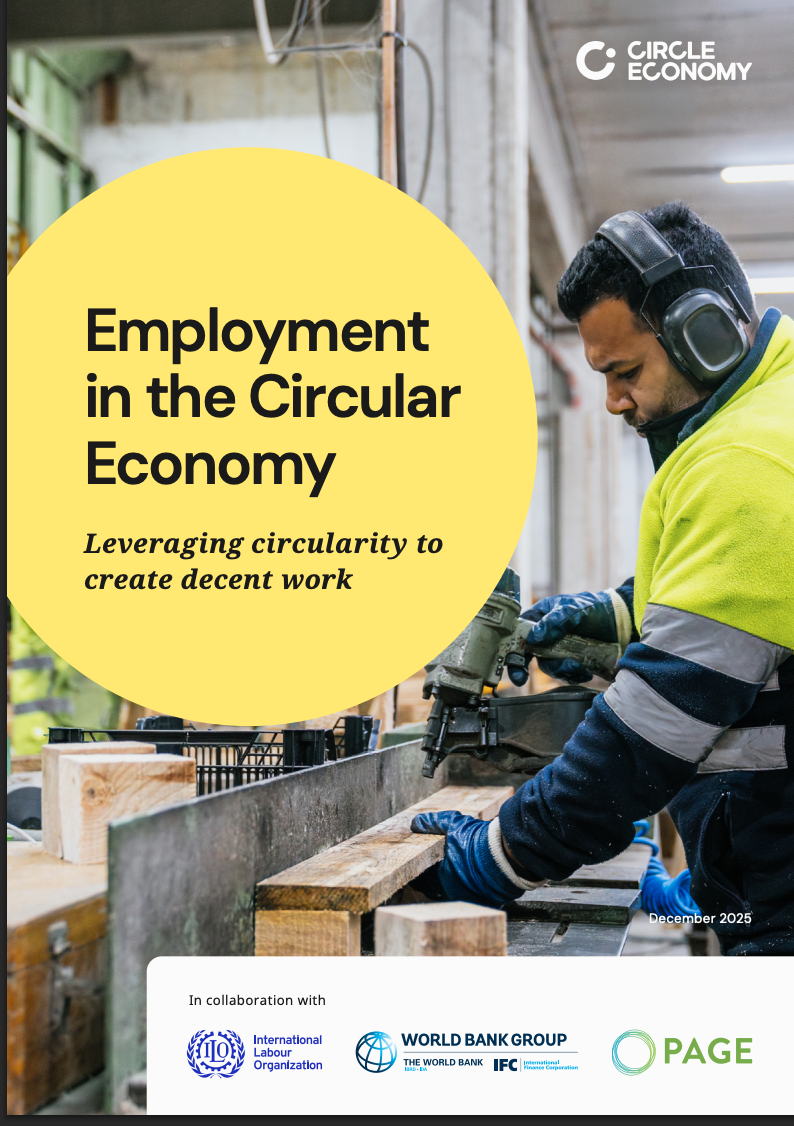
This comprehensive global report delivers the first estimate of employment in the circular economy, covering 177 countries and capturing jobs across both formal and informal economies.

Developed over three years by Circle Economy, in collaboration with the International Labour Organization and the World Bank Group, and supported by PAGE, the study provides robust data and policy insights to help decision-makers leverage circularity for decent work.

Read More

https://www.greenpolicyplatform.org/research/employment-circular-economy-leveraging-circularity-crea...