About this Discussion

According to the IPCC, the concentration of greenhouse gases in the earth’s atmosphere is directly linked to the average global temperature on Earth, and the concentration has been rising steadily. The most abundant greenhouse gas, accounting for about two-thirds of greenhouse gases, carbon dioxide, is largely the product of burning fossil fuels. 

There is alarming evidence that important tipping points, leading to irreversible changes in major ecosystems and the planetary climate system, may already have been reached or passed. One of the most urgent challenges facing countries across the world today is how to achieve economic prosperity and development while also combating climate change.

The Paris climate change agreement commits nations to limit global temperature rise to no more than 2°C above pre-industrial levels, with countries pledging to cut or curb their greenhouse gas emissions – through a combination of mitigation and adaptation measures – by 2030. 

Upcoming Events

Climate Change

A post is already pinned to this stream. Would you like to replace it?
Yu in Paris

Created a Post in Climate Change

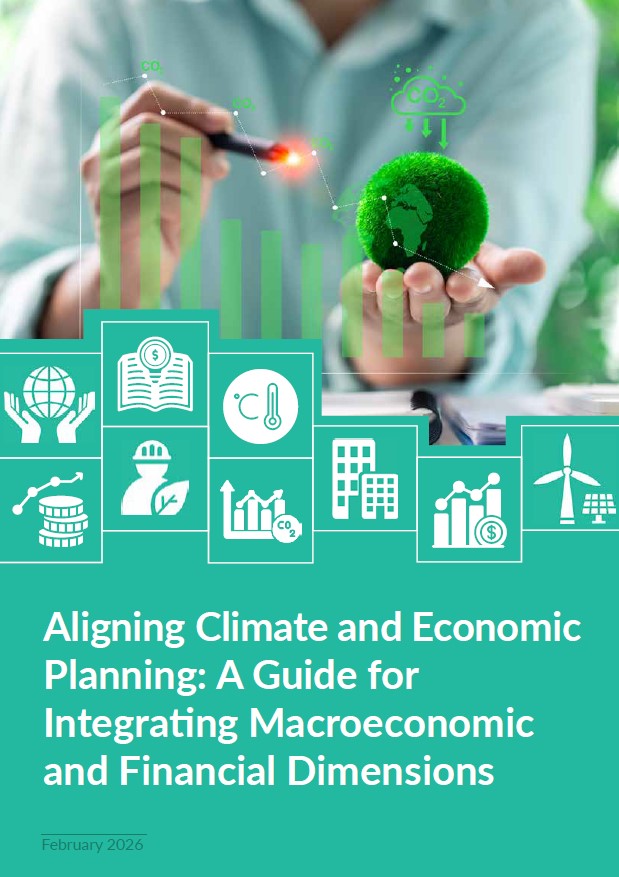
New publication on how to align climate and economic planning

The guide, Aligning Climate and Economic Planning: A guide for integrating macroeconomic and financial dimensions, provides a practical framework for integrating macroeconomic and financial considerations into the national climate policy cycle. It outlines a step-by-step approach covering mitigation, adaptation and loss and damage that countries can adapt to their own planning contexts. 

It supports the development and implementation of key climate policy instruments, including Nationally Determined Contributions (NDCs), Long-Term Low-Emission Development Strategies (LT-LEDS) and green growth strategies, while helping align climate goals with economic and fiscal planning. 

The guide is intended for government officials, sectoral experts, technical specialists, and development partners involved in climate policy design, financing, and implementation.

Read More

https://gggi.org/report/aligning-climate-and-economic-planning-a-guide-for-integrating-macroeconomic...
Yu in Paris

Created a Post in Climate Change

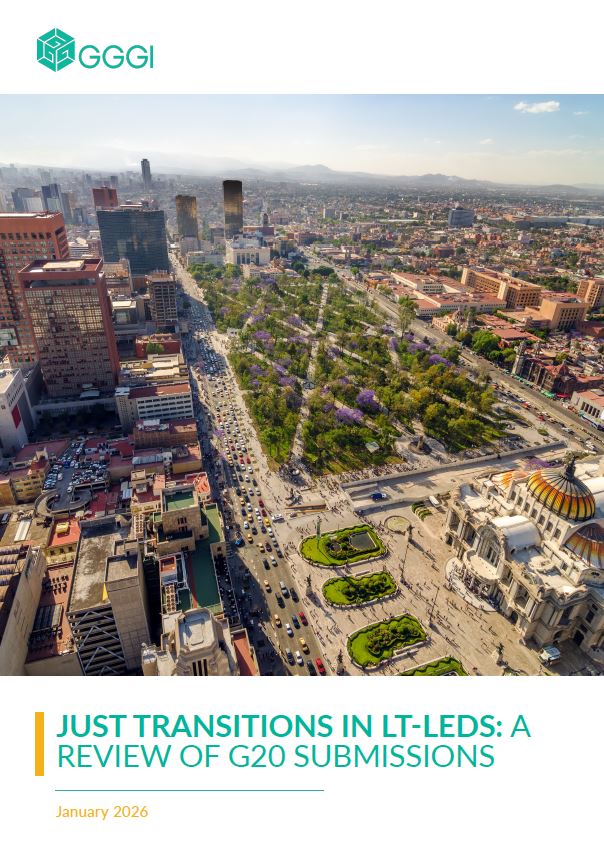
New publication on Just Transition and Long-Term Low Emission Development Strategies (LT-LEDS) 

GGGI´s insight brief, “Just Transitions in LT-LEDS: A Review of G20 Submissions,” analyzes how G20 countries are planning their long-term climate strategies in a fair and inclusive manner. 

While most strategies acknowledge just transition principles—such as workforce development, innovation, and inclusive governance—the review uncovers critical gaps: long-term climate policy largely lacks specificity on who will be affected, clear timelines for phasing out carbon-intensive activities, detailed financing strategies for climate transitions, and robust monitoring mechanisms. This oversight risks leaving vulnerable communities behind and slowing the global shift to net-zero. The report calls for future strategies to prioritize actionable roadmaps, targeted social support, and transparent investment plans to ensure the clean energy transition is both fast and fair for all.

Read More

https://gggi.org/report/just-transition-in-lt-leds-a-review-of-g20-submissions/

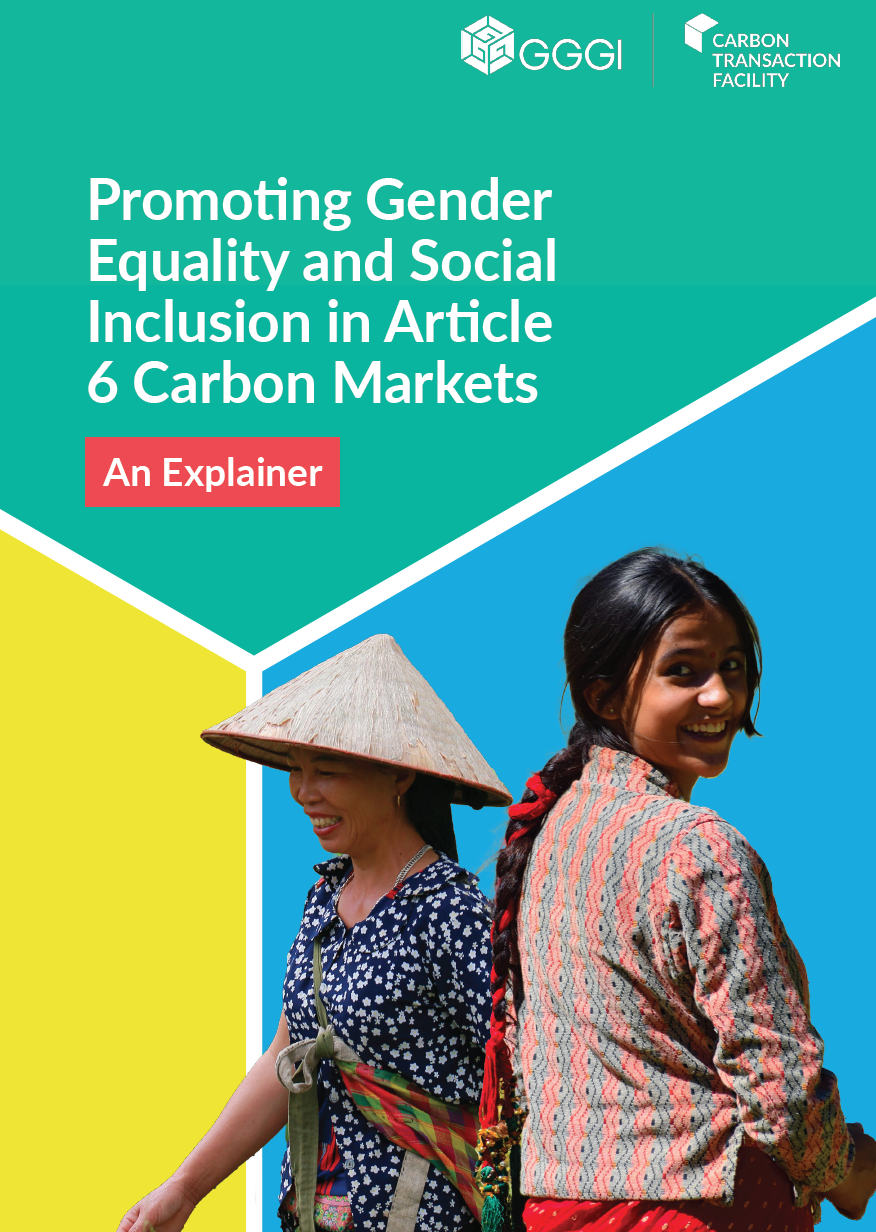
New resource on Gender Equality and Social Inclusion in Article 6 Carbon Markets

How can carbon markets help deliver not only stronger climate mitigation but also more equitable and inclusive outcomes?

This explainer produced by the Global Green Growth Institute provides a high-level overview of how carbon finance under Article 6 of the Paris Agreement can support climate ambition while advancing gender equality and social inclusion (GESI). It highlights key considerations for designing carbon market approaches that ensure benefits are shared more fairly and that diverse stakeholders, particularly women and marginalized groups, are meaningfully included.

Read More

https://gggi.org/report/promoting-gender-equality-and-social-inclusion-in-article-6-carbon-markets-a...

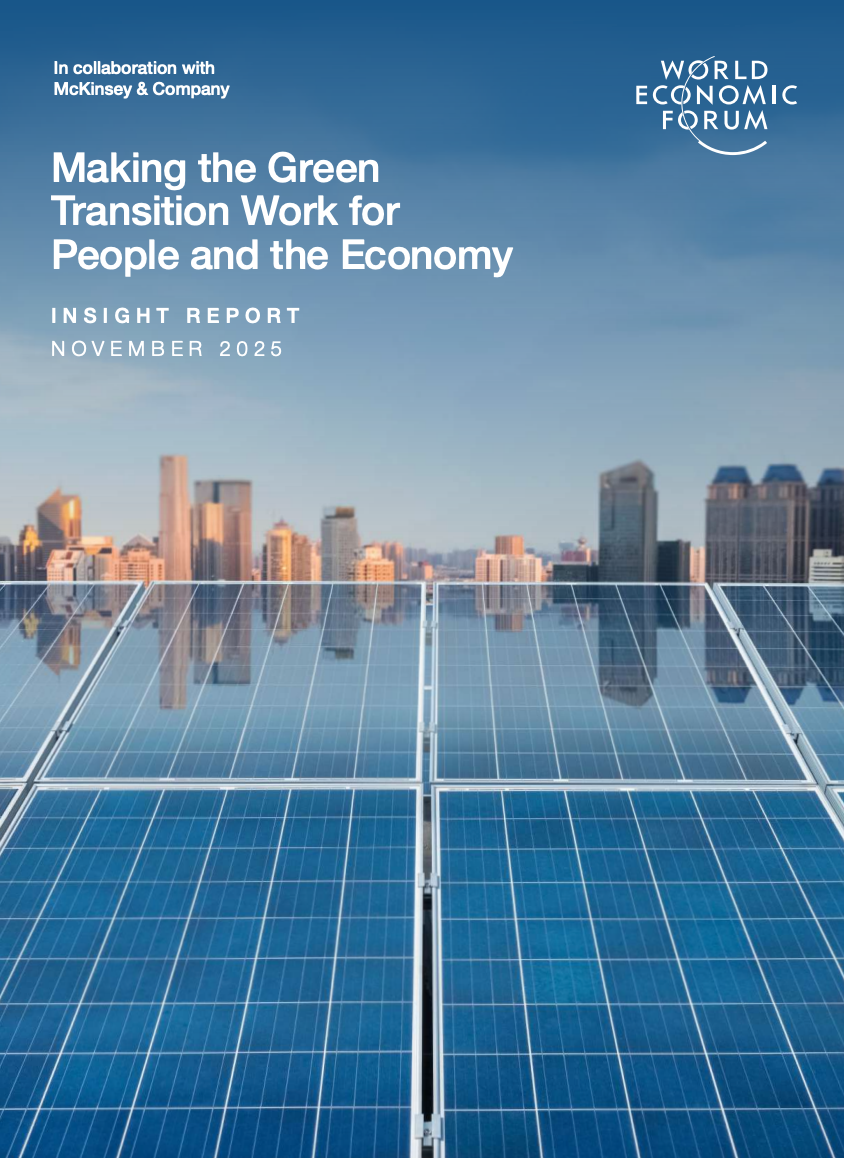
As the global economy faces inflation, supply chain disruptions, and rising inequality, climate ambition is under pressure. 

A green economy is one that delivers growth and prosperity while reducing environmental risks and ensuring social inclusion.

According to the World Economic Forum, 37% of businesses cite high energy and commodity costs as a barrier to competitive green models, while over half worry about affordability for consumers.

Making the Green Transition Work for People and the Economy shows how aligning climate action with economic and social realities is key to sustaining momentum—grounded in business sentiment, global trends, and practical insights for managing socioeconomic risks and opportunities.

Read More

https://www.greenpolicyplatform.org/research/making-green-transition-work-people-and-economy

Hello!

I just joined the forum and wanted to share what my company, Grebe Innovations, has been working on. I'm currently trying to find a manufacturer for my product concept, Warm Wall. This is an energy efficient device (~100 watts) that helps you stay warm and cozy in bed without using hi-power devices like space heaters or electric blankets. It does this by addressing the problem in a unique, direct way.

I'm proud to announce that this new product concept has been selected by the Green Product Award panel of judges as a finalist for their 2026 competition.

Please visit the page to learn more and support the idea by voting.

Thank you!

Read More

https://grebeinnovations.com/warm-wall
SWITCH-Asia

Join Switch-Asia on 16 December 2025 (09:00–11:00 CET / 15:00–17:00 ICT) for the next session in the EU Green Deal Policies and their Relevance in Asia-Pacific webinar series.This webinar will unpack key outcomes from UNFCCC COP30, with a focus on how circular economy principles can strengthen… Read More

#PAGE and the Coalition of Finance Ministers for Climate Action cohosted #ProsperityThroughResilience at #UNEA7 bringing together leaders from Brazil🇧🇷, Germany🇩🇪, Uganda🇺🇬, Indonesia🇮🇩, and global institutions to rethink how public finance can respond to climate risks, mobilize investment, strengthen competitiveness, and support inclusive growth. 

➡️The conversation underscored a shared understanding: resilience is now a driver of prosperity, and aligning fiscal governance with climate, nature, and economic priorities is essential for the future.

✅As an outcome of this dialogue, the Joint PAGE–CFMCA Co-Chair’s Action Note for UNEA-7 captures a shared aspiration emerging from the #FFD4 engagements: strengthening the fiscal foundations, institutional capacities, and investment pathways that make economies more resilient, competitive, and inclusive.
 
📘 Read the full Action Note ➜ 

Read More

https://www.un-page.org/event/page-at-the-7th-session-of-the-united-nations-environment-assembly/

📢 HAPPENING IN A FEW MINUTES !

🌱 Transitioning to a greener, more competitive economy requires more than ambition — it demands coherent, forward-looking public finance strategies.

🔎 Explore how integrated policies can unlock private investment, support innovation, and protect communities from future shocks.

Be part of this global conversation at #UNEA7.

🔗 Save your spot for #ProsperityThroughResilience ➡️ https://www.un-page.org/event/page-at-the-7th-session-of-the-united-nations-environment-assembly/

Read More

🔎 As climate and economic shocks intensify, Ministries of Finance sit at the heart of national resilience. 
 
💡 Join us at UNEA-7 for “Prosperity Through Resilience,” where global leaders will unpack how forward-looking fiscal strategies can steer private capital, strengthen domestic sectors, and create inclusive, competitive growth. 
 
Register now to engage with those shaping the future of resilient public finance ➡️ https://www.un-page.org/event/page-at-the-7th-session-of-the-united-nations-environment-assembly/


#UNEA7 #PublicFinance #Resilience #SustainabilityLeadership #InclusiveGrowth

Read More

OECD, Organisation for Economic Co-operation and Development(OECD), World Wide Fund for Nature(WWF), International Institute for Sustainable Development(IISD), Basque Centre for Climate Change(BC3)

Climate change, biodiversity loss and pollution – the three elements of what is now called the triple planetary crisis – are a growing risk to human health, the environment and the economy. While these challenges are intimately linked, policy responses have traditionally operated in silos,… Read More