Inspired by Global Green Growth Week 2025 Session: Water and Renewable Energy for Climate Resilience
Seoul, 30 October — Global Green Growth Week
The accelerating impacts of climate change are intensifying water insecurity and energy vulnerabilities worldwide. Droughts, floods, melting glaciers, sea level rise, and shifting rainfall patterns are increasingly disrupting the systems that sustain food production, public health, energy supply, and local economies. In this context, the integration of water resource management and renewable energy systems has emerged not simply as an option, but as a strategic imperative for climate resilience.
This session brought together global leaders to explore how countries are moving from broad recognition of the water–energy nexus to concrete policy, financing, and operational solutions. Rather than treating water and energy as separate sectors, speakers emphasized how coordinated planning and investment can deliver adaptive capacity, reduce carbon footprints, and strengthen livelihoods—particularly in the most climate-vulnerable regions.
From glacial melt to solar grids: resilience in practice
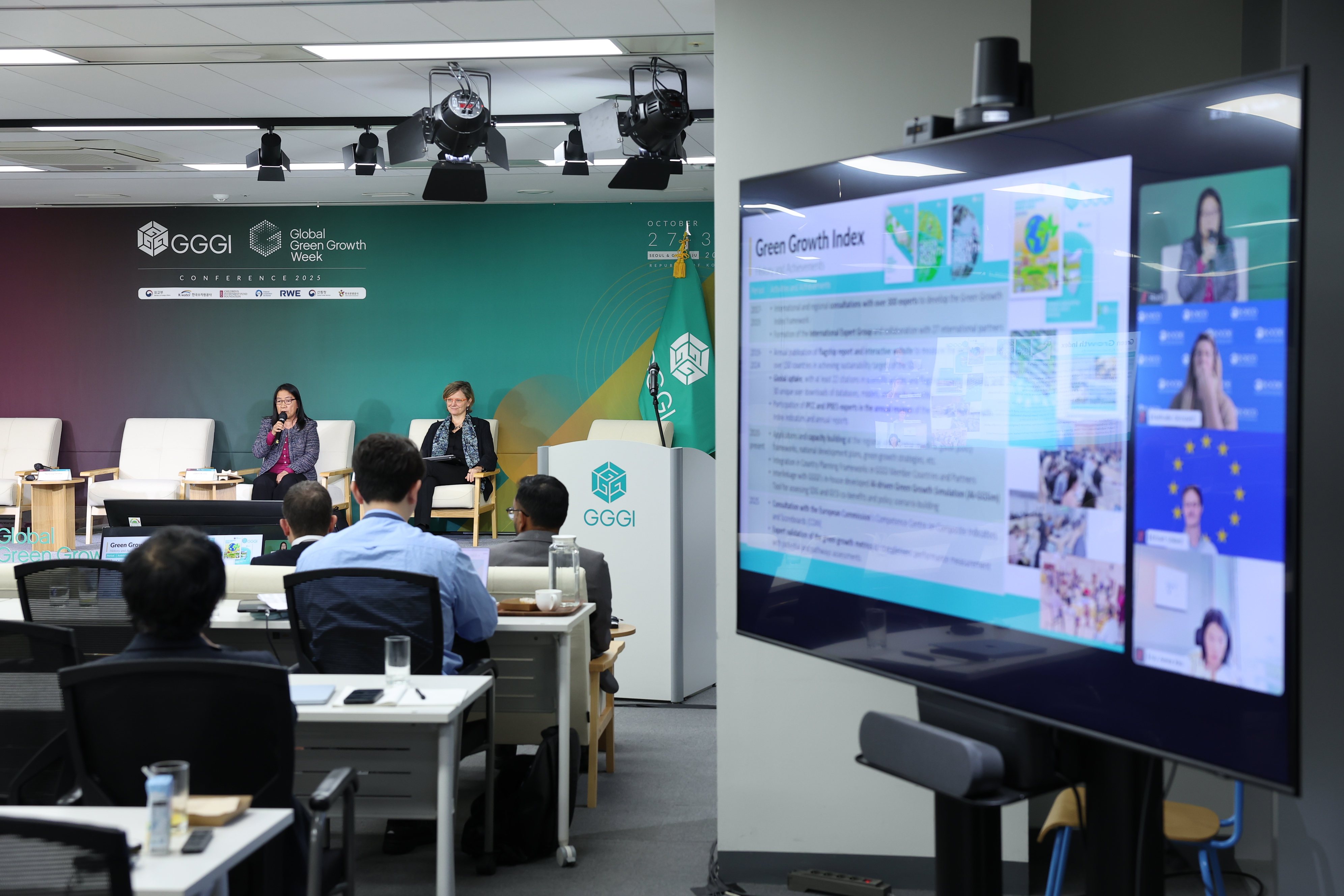
Opening the session, Dr. Sang-Hyup Kim, Executive Director of GGGI, observed that climate impacts have already shifted the baseline from which water and energy systems must operate. Drawing from field experience in the Kyrgyz Republic, he described how accelerated glacier melt and lake outburst floods are cascading through hydrological and infrastructure systems. Yet he noted that resilience is not abstract: practical solutions are emerging in diverse contexts. Solar mini-grids and solar pumping have expanded access to safe drinking water in remote Pacific islands; renewable energy and energy-efficiency interventions have supported rice production in Senegal; and GGGI’s partnership with ECOWAS is advancing a USD 75 million regional facility to accelerate renewables and efficiency across West Africa. He underscored the growing role of advanced digital tools, citing Korea Water Resources Corporation (K-water)’s early use of AI for predictive water management, as evidence that the transition toward resilient system operation is technically feasible and underway.
GGGWeek 2025
Digital intelligence, clean power, and operational resilience
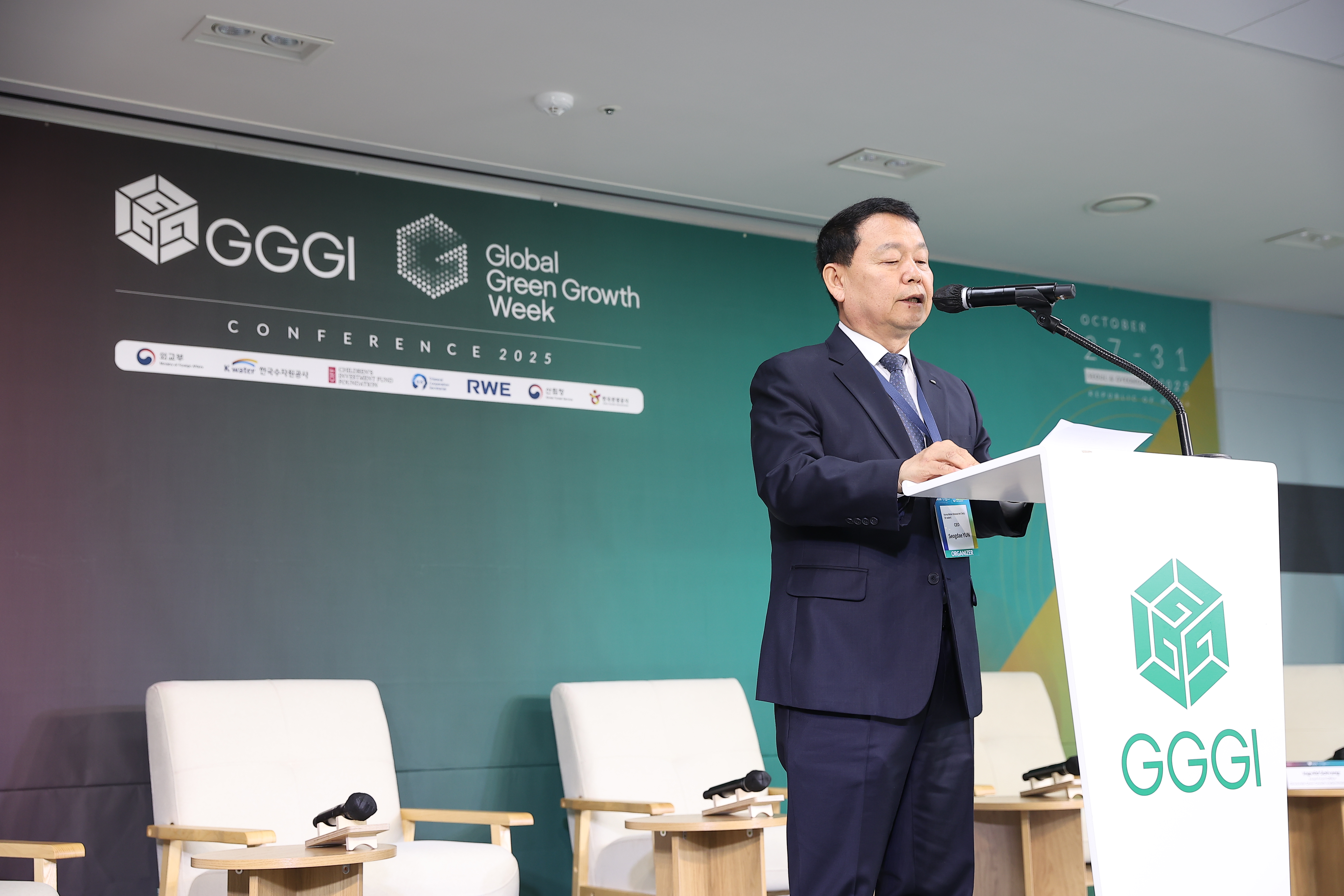
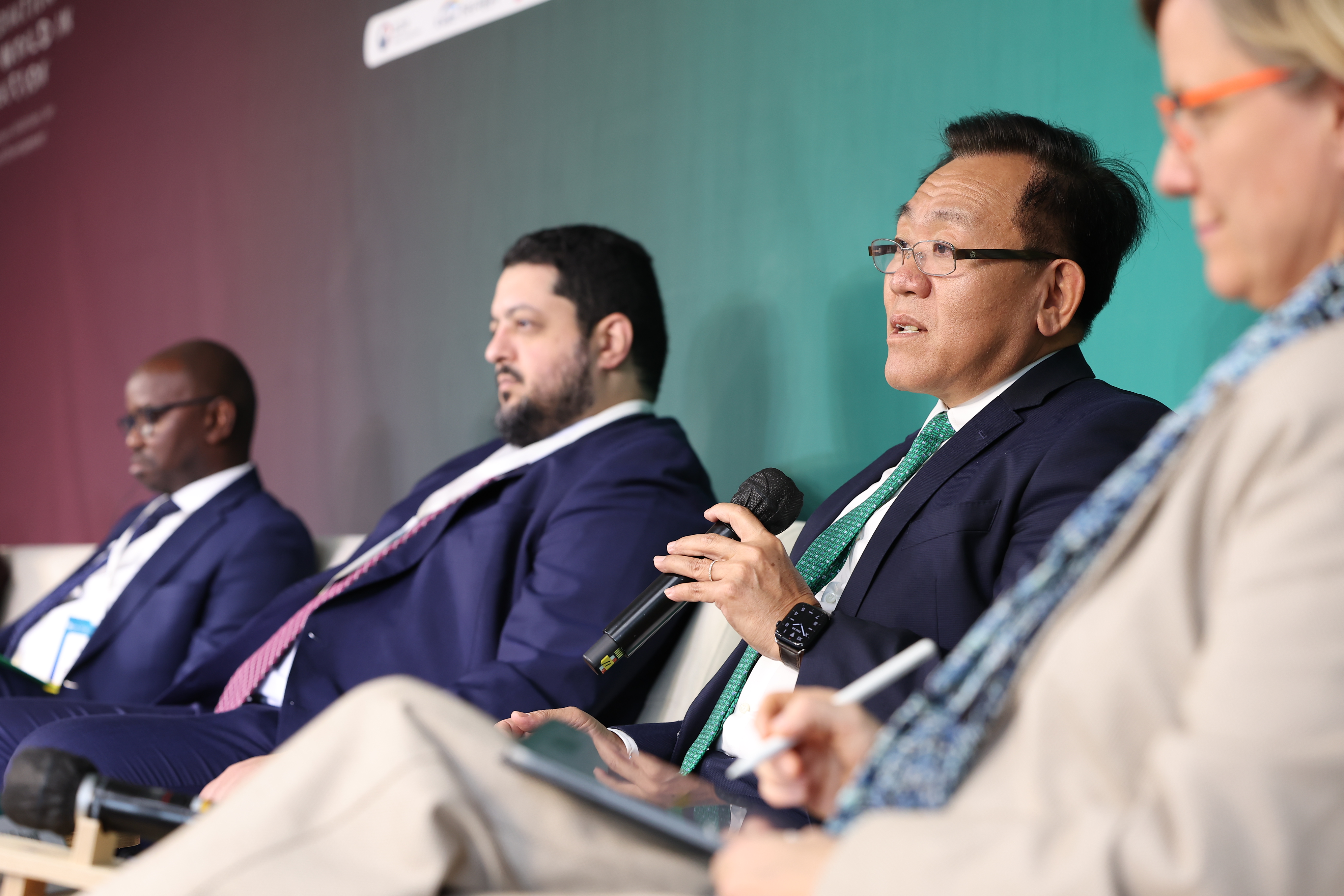
Dr. Seog-Dae Yoon, Chief Executive Officer of K-water, emphasized that resilience now begins at the operational level. Climate volatility is already influencing reservoir levels, treatment processes, and grid stability. K-water is adapting by embedding digital twins, AI-assisted process optimization, and smart distribution networks to improve forecasting, reduce losses, and maintain service continuity during stress. At the same time, the corporation is investing in renewable supply, including floating solar, tidal power, hydrothermal systems, and green hydrogen, to reduce the carbon and energy intensity of water treatment itself. The objective is not only decarbonization, but also reliability: ensuring that essential water infrastructure remains functional during extreme events.
GGGWeek 2025
Policy as a pact with the future
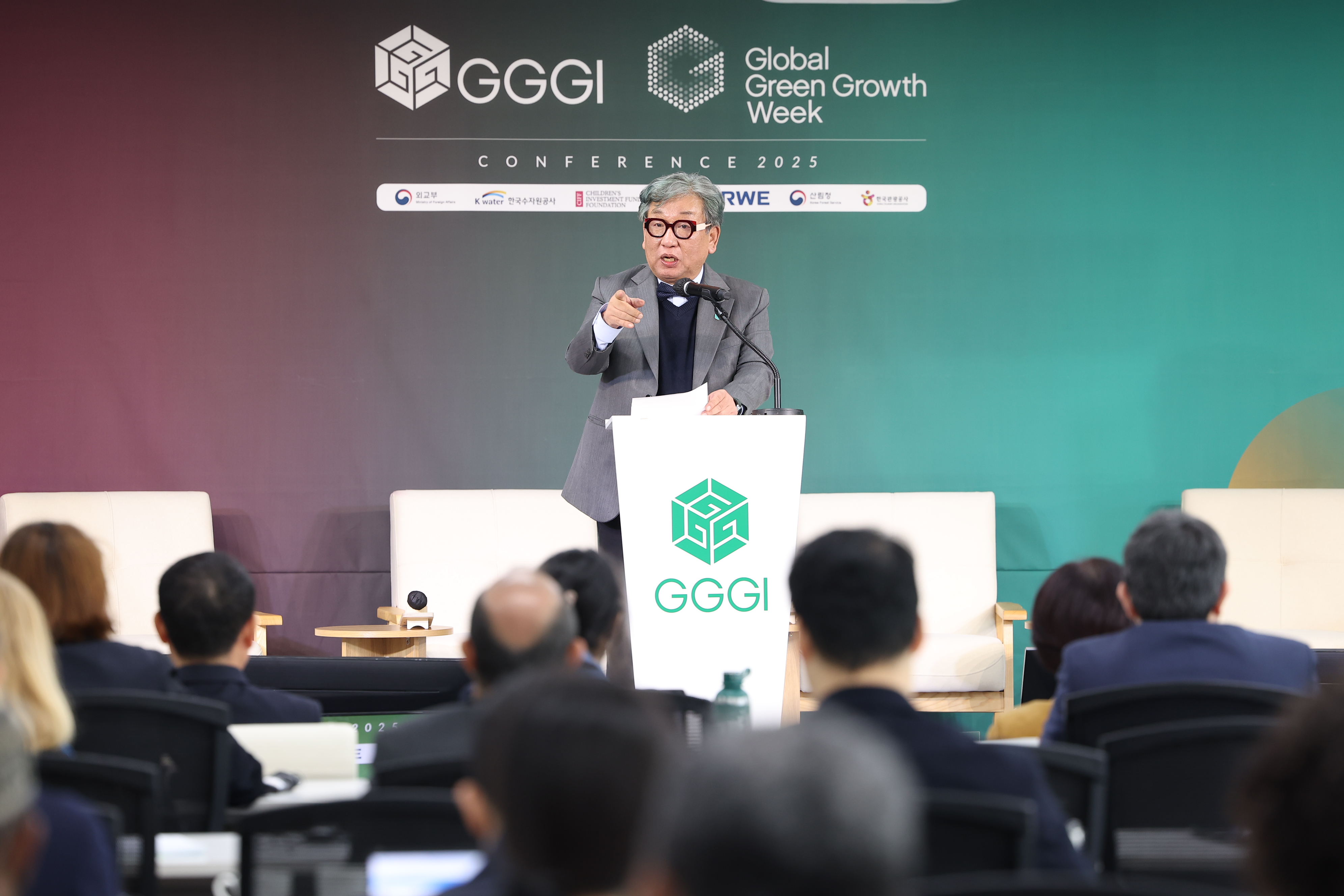
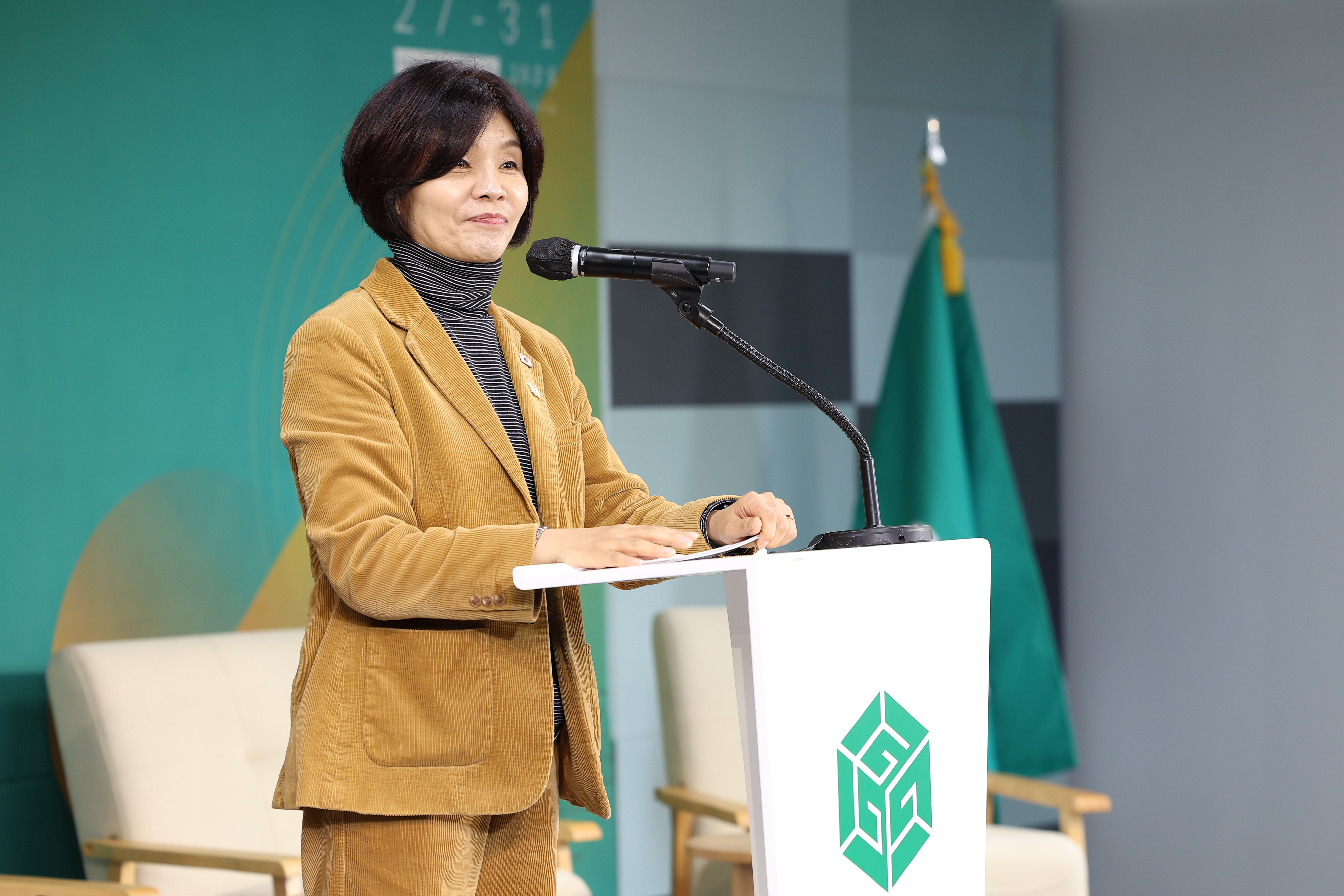
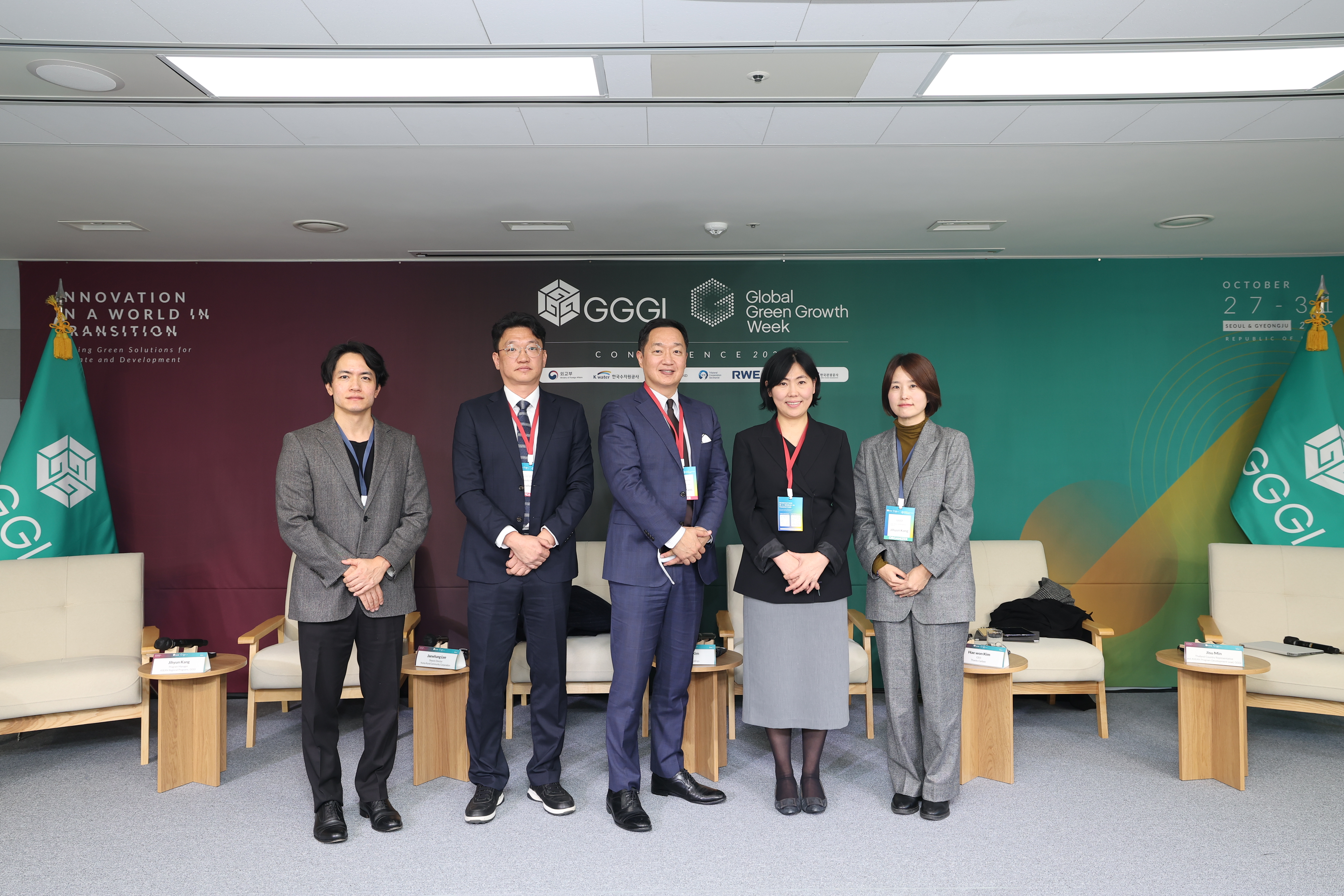
Hon. Han Jeong-ae, Policy Committee Chairperson of the Democratic Party of Korea and former Minister of Environment, framed the challenge as one of governance and accountability. Climate impacts are no longer hypothetical future risks; they are present-day pressures reshaping development trajectories. She highlighted Korea’s commitment to phase out coal-fired power by 2040 and expand renewable energy to 100 GW by 2030, rising to 160 GW by 2035. For her, the water–energy nexus is not a technical exercise but a societal contract: energy systems must be aligned with water security and ecological protection to safeguard economic stability and intergenerational well-being.
GGGWeek 2025
Innovation, market signals, and national platforms
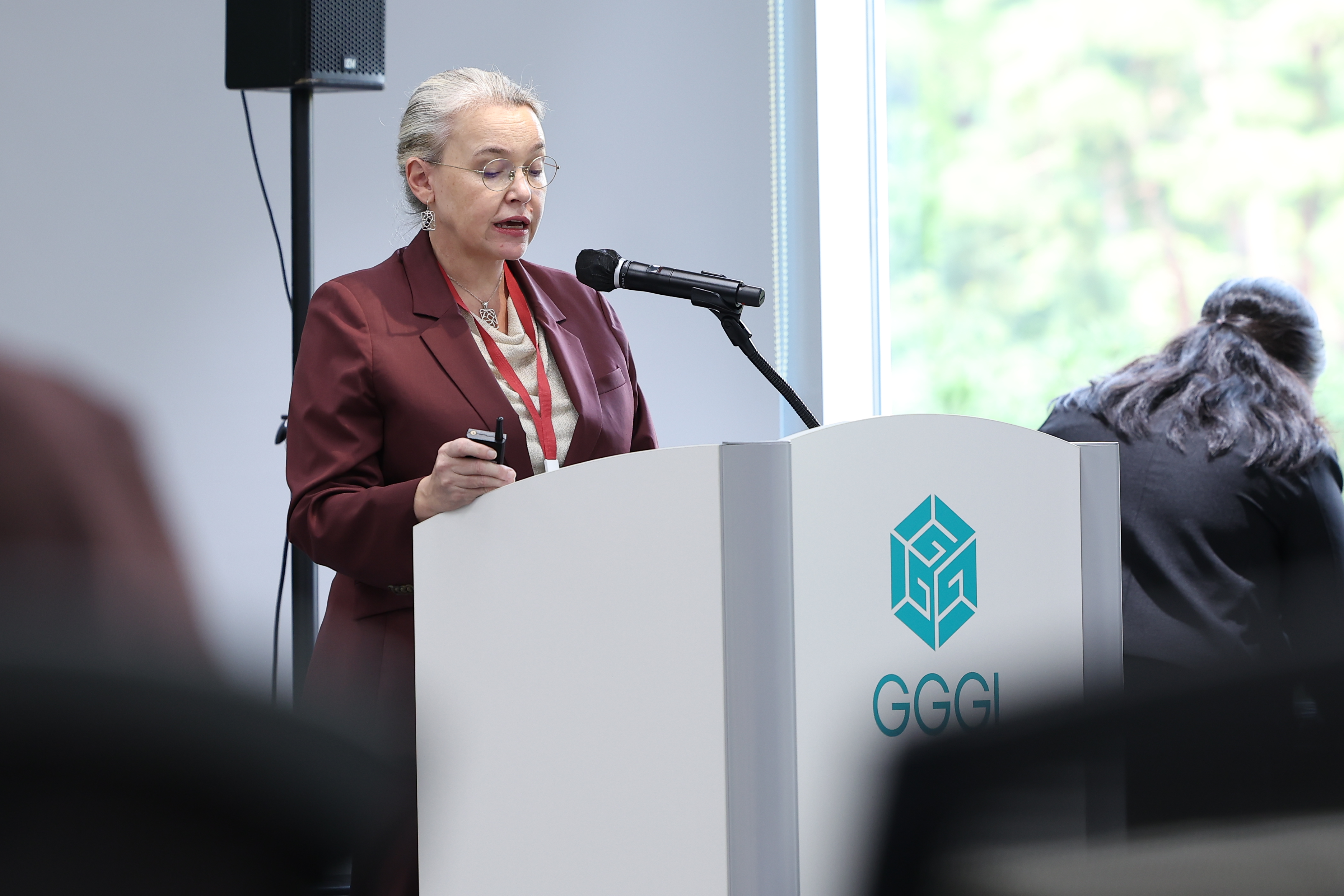
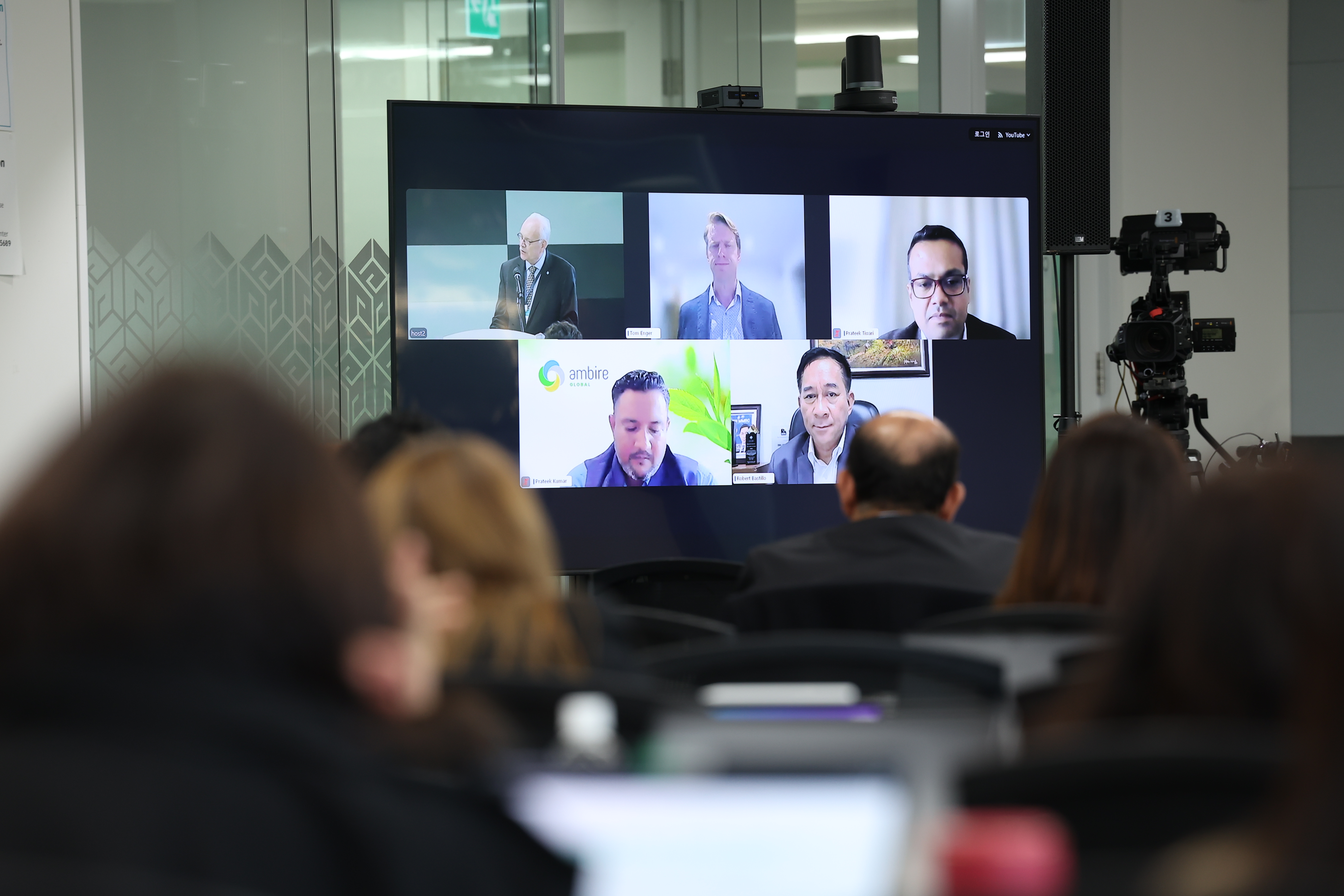
Robyn McGuckin, Executive Director of P4G, brought forward the role of entrepreneurial innovation supported by enabling policy and catalytic finance. She highlighted partnerships such as AvalA’s AI-enabled hydroponic systems reducing water use by up to 90% while increasing productivity; Water Life Max Foundation’s solar-driven community water systems in Ethiopia; and Arzana Solutions’ circular wastewater-to-biofuel model in Colombia. Their success, she noted, rests on national platforms that connect private innovation to regulatory clarity and investment pathways—an approach that has already mobilized more than USD 526 million in commercial financing for green enterprises since 2018.
GGGWeek 2025
The global testbed: Five nations, one shared challenge
The panel discussion revealed how diverse national contexts are navigating the same structural challenge: water and renewable energy systems must be planned together if they are to withstand climate volatility.
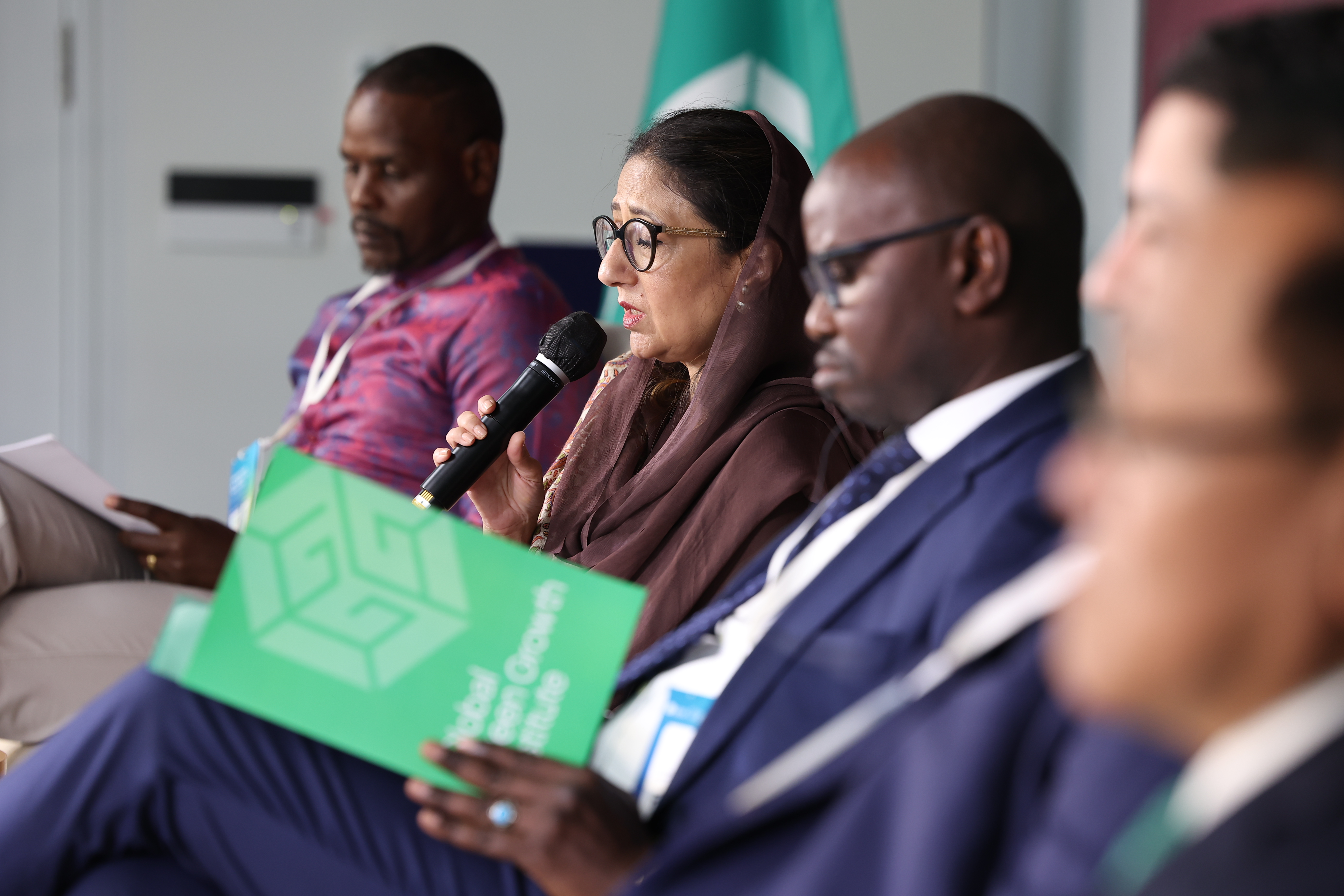
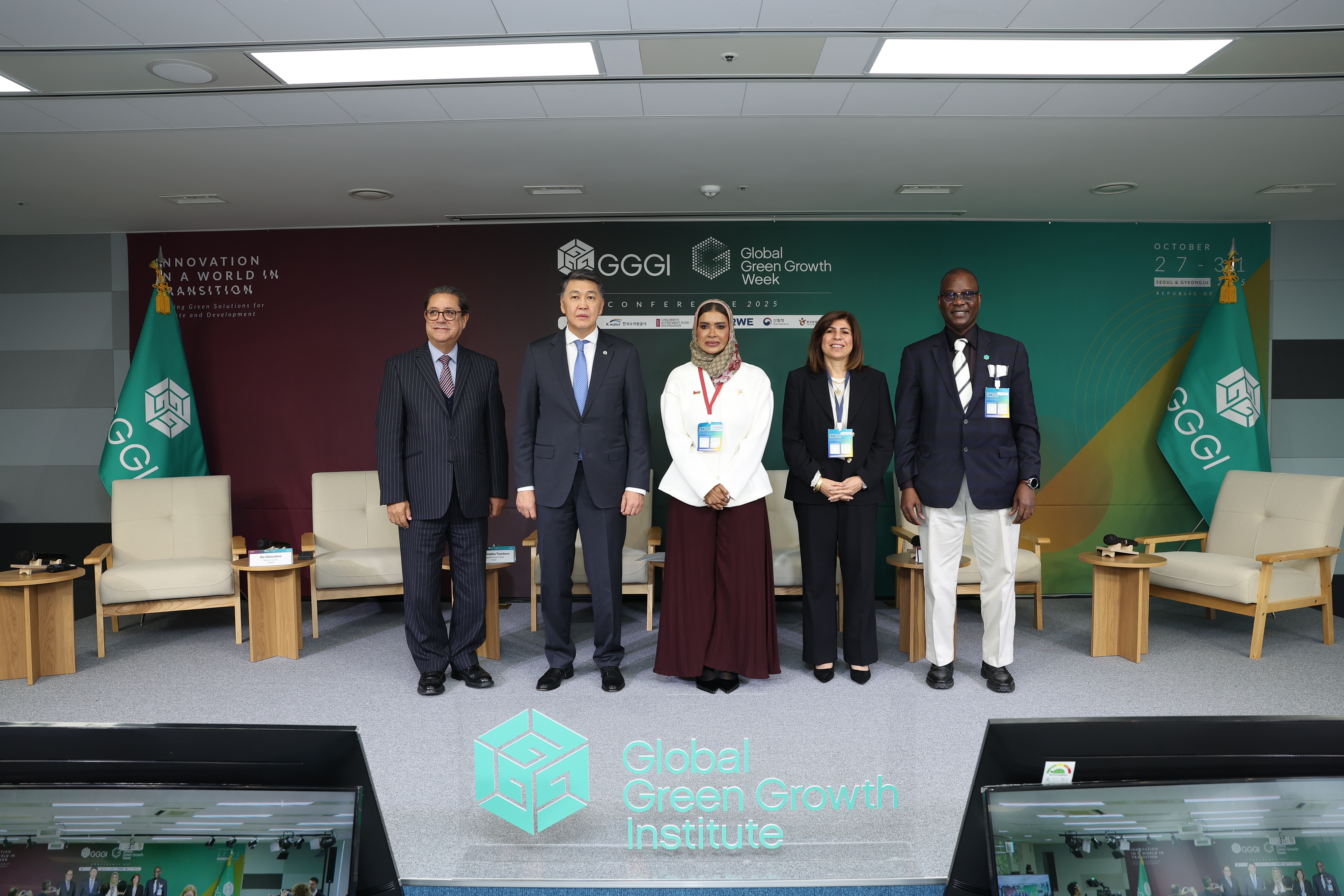
In Pakistan, H.E. Dr. Shezra Mansab Ali Kharal, Minister of State, Ministry of Climate Change & Environmental Coordination, described how the country’s vulnerability is shaped by the intersection of glacial melt, extreme flooding, recurrent droughts, and heavy reliance on water for agriculture. With 90% of national water usage tied to agricultural production, food security and climate resilience are tightly interlinked. The expansion of hydropower capacity—from approximately 8,700 MW in 2021 to over 10,600 MW in 2024—together with Pakistan’s rapidly accelerating rooftop solar deployment, is therefore part of a wider strategy to stabilize both water and energy systems. She emphasized Pakistan’s Green Taxonomy and the operationalization of its NDC technology roadmap for water and waste sectors developed with GGGI, noting that capacity building, technology transfer, and access to climate finance remain essential to implementation.
GGGWeek 2025
This need to integrate resource planning across sectors was echoed by H.E. San Vanty, Permanent Secretary of State, Ministry of Environment, Cambodia, who highlighted that water and energy security in Cambodia cannot be separated from the ecological stability of the Tonlé Sap Lake and the Mekong River Basin. Environmental Impact Assessments serve as the country’s primary tool for mediating the balance between renewable energy development, agricultural processing expansion, and biodiversity conservation. Working with ADB and GGGI, Cambodia is advancing initiatives to clean plastic pollution in the Mekong and improve access to climate finance—actions he described as foundational because “if the ecosystem is degraded, both water security and energy systems are ultimately weakened.”
GGGWeek 2025
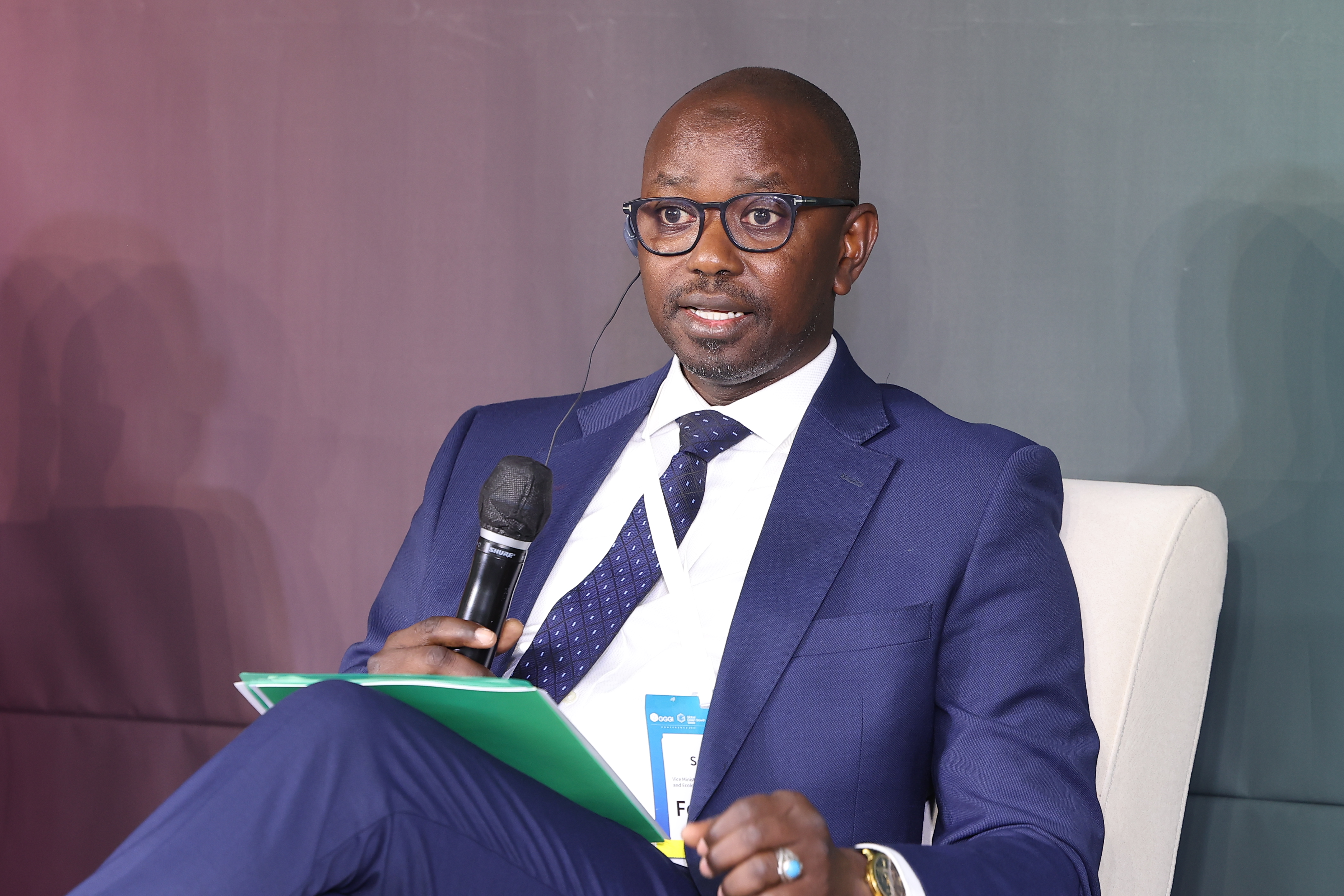
A similar emphasis on resilience through decentralized systems was articulated by H.E. Fodé Fall, Secretary General, Ministry of Environment and Ecological Transition, Senegal. Senegal’s national strategy to reach 40% renewable energy by 2035, and to phase out coal, is linked directly to maintaining access to safe drinking water in communities vulnerable to flooding. Solar-powered pumping stations and hybrid solar-battery treatment systems have reduced service interruptions during extreme weather events. At the same time, Senegal underscored the importance of local maintenance capacity, standardized modular systems, and circular approaches for managing the end-of-life of solar components, ensuring that resilience gains are durable.
GGGWeek 2025
The role of institutional architecture was further detailed by H.E. Dr. Festus K. Ng’eno, Principal Secretary, State Department of Environment and Climate Change, Kenya. Kenya’s approach is grounded in the Water Act (2016, amended 2024), Vision 2030, the National Water Resources Strategy (2020–2025), and the National Climate Change Action Plan (2023–2027), which together align hydropower storage planning, catchment protection, and drought-responsive allocation systems. By treating water and energy as mutually reinforcing public goods, Kenya is shaping resource governance that can adjust to seasonal variability without compromising community access.
The discussion then turned to water security in arid environments, where the relationship between water and energy is most direct. H.E. Eng. Abdulaziz Ahmad Al-Mahmoud, Undersecretary, Ministry of Environment and Climate Change, State of Qatar, explained that Qatar produces most of its potable water through desalination, meaning water security depends on energy system efficiency. The country’s shift from thermal desalination to reverse osmosis powered by renewable energy, combined with a target of 4 GW of installed solar capacity by 2030, is reducing systemic inefficiencies. The transition is supported by integrated water management policies, including requiring district cooling systems to use treated wastewater instead of desalinated water, improving both water conservation and energy balance.
The tools of transformation
Across the interventions, several practical enablers came into clear focus. Green taxonomies and disclosure systems are helping governments align budgets and private capital with activities that genuinely advance resilience. Environmental and social safeguards, when enforced, function not as administrative hurdles but as decision tools that protect ecosystems and communities as renewable and water infrastructure expand. Decentralized solar paired with storage is emerging as a reliable foundation for rural and peri-urban water supply, provided that maintenance capabilities are built locally and equipment is modular enough to be serviced and replaced.
At the financing level, readiness for Article 6 transactions, blended regional facilities, and catalytic grants are proving essential to move projects from concept to investment-ready design. Meanwhile, digital twins, AI-driven control systems, and smart water networks are reducing uncertainty in system performance, lowering operational losses, and enabling verification approaches suitable for outcome-linked finance. Circularity — including planning for the end-of-life of solar equipment — is now being incorporated at the design stage rather than left for later.
Nexus thinking in operation
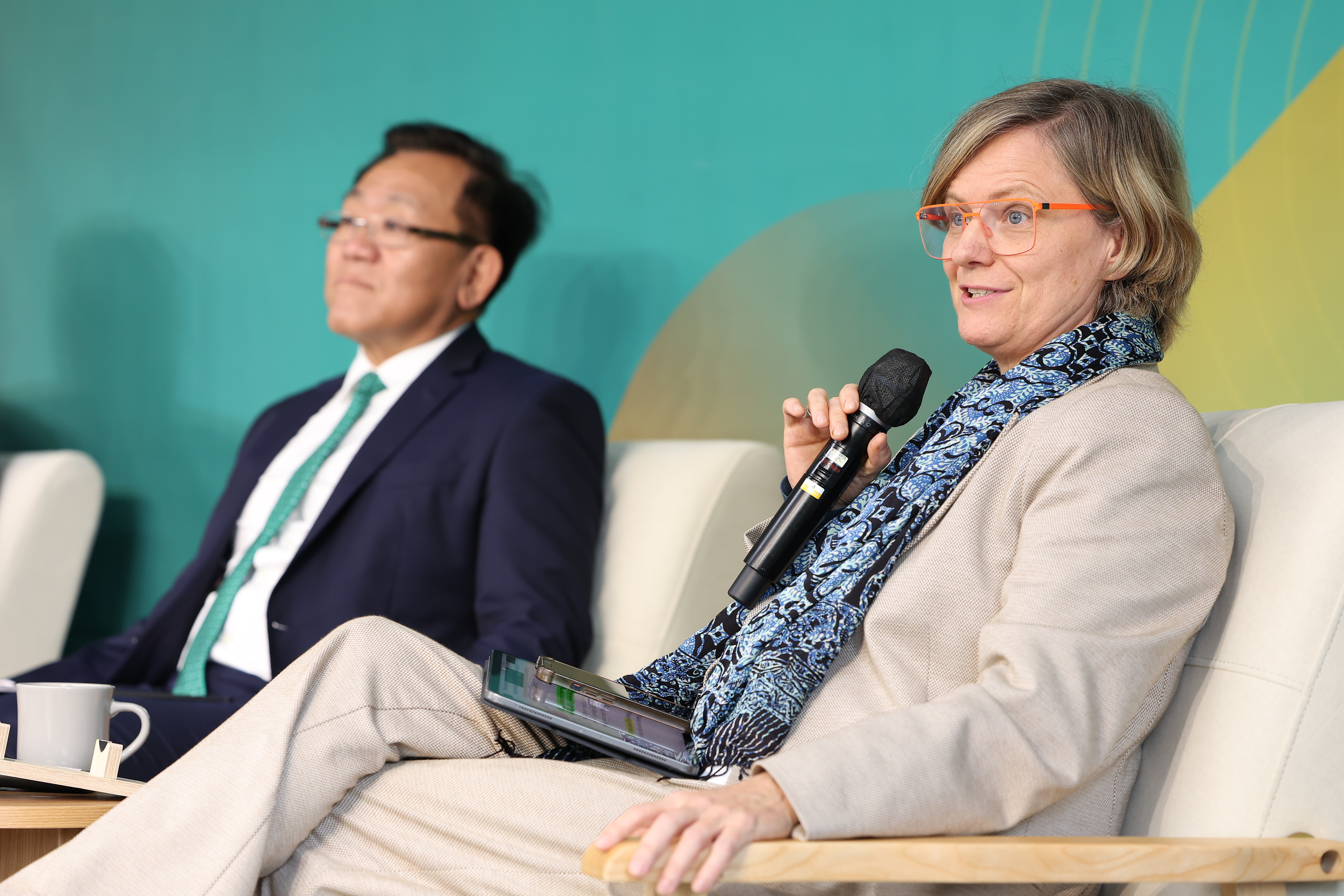
Moderator Ms. Ingvild Solvang distilled the core lesson: “nexus thinking” is not a concept waiting to be tried; it is already informing plans, investments, and operating protocols. Countries are wiring policy definitions, technologies and delivery chains that keep water flowing and lights on during shocks. Dr. Micah Felix thanked the speakers and participants, closing the session with a call for continued partnership: “We hope the ideas and collaborations begun here today continue well beyond GGGWeek.”