About this Discussion

Food and agriculture production systems worldwide are facing unprecedented challenges from an increasing demand for food for a growing population, rising hunger and malnutrition, adverse climate change effects, over-exploitation of natural resources, loss of biodiversity, and food loss and waste. These challenges can undermine the world’s capacity to meet its food needs. According to the UN Food and Agriculture Organization (FAO), more than 800 million people are undernourished while 2 billion are micronutrient deficient and 2 billion more people overweight or obese. At the same time, food production, transportation, processing and waste are putting unsustainable strain on environmental resources.  

To be sustainable, agriculture must meet the needs of present and future generations, while ensuring profitability, environmental health, and social and economic equity. Greening the agricultural sector involves addressing poverty as well as meeting the nutritional needs of a growing global population while also minimizing the environmental degradation associated with certain agricultural practices. 

Achieving these goals requires a transformation of the agriculture sector, leveraging market-based approaches through a coordinated effort by all stakeholders, including farmers, government, civil society and the private sector.

Upcoming Events

Agriculture and Food System

A post is already pinned to this stream. Would you like to replace it?
Green Growth Knowledge Partnership(GGKP), United Nations Environment Programme(UNEP)

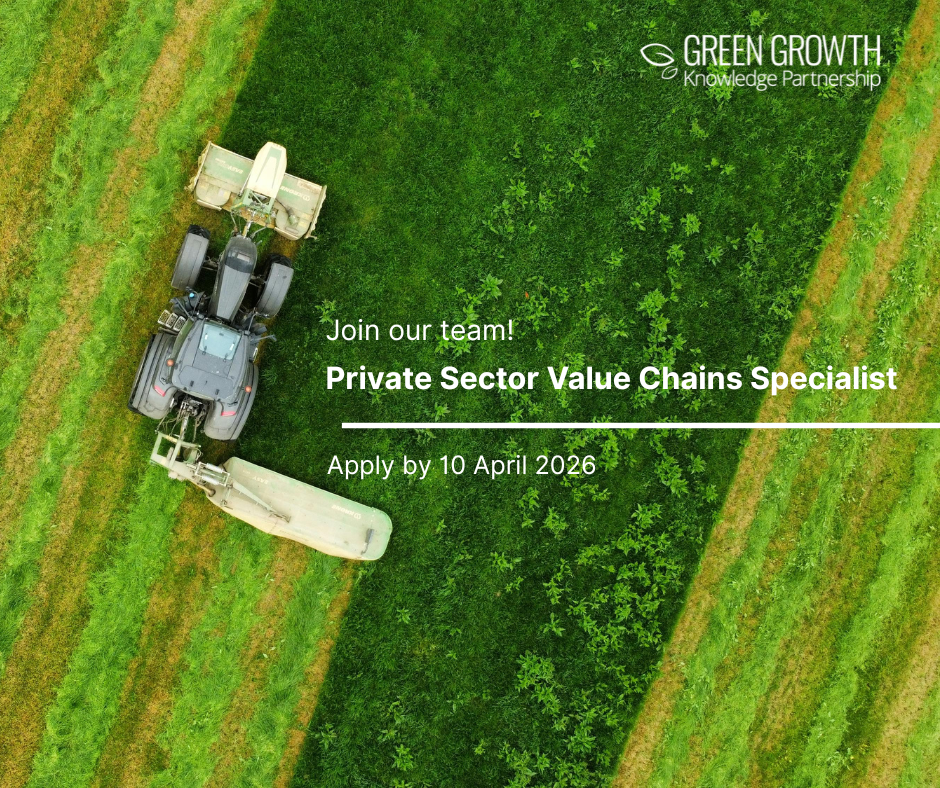
📢 We’re hiring!The Green Growth Knowledge Partnership (GGKP) is seeking a Private Sector Value Chains Specialist to support the establishment of a value chain-based facilitation mechanism designed to strengthen suppliers and retailers’ capacity to implement sustainability actions that align with… Read More

fgh f

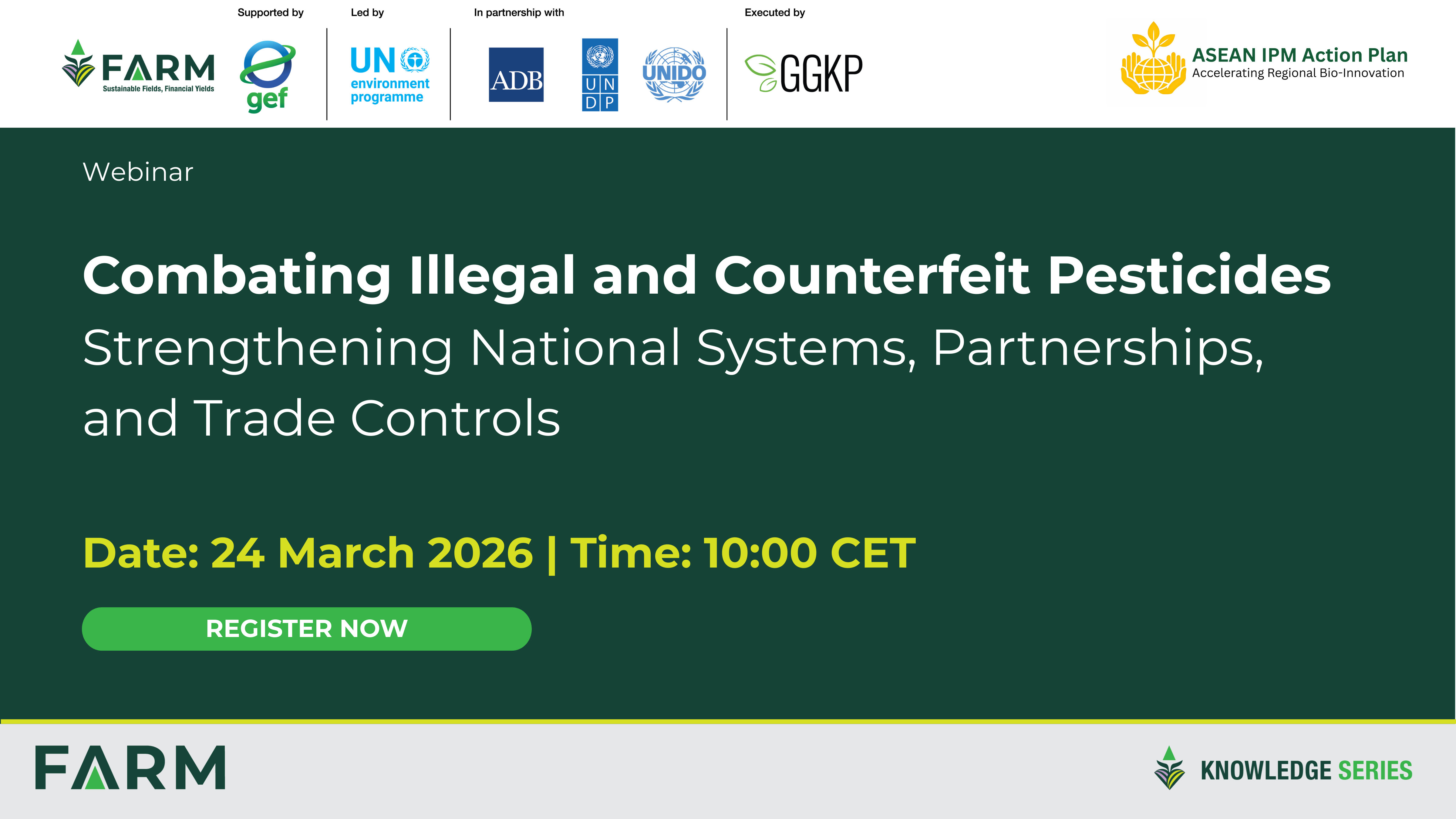
📢 You are invited to the next edition of the FARM Knowledge Series, discussing a topic that has the potential to undermine regulatory systems, legitimate markets, and efforts to promote safer and more sustainable pest management. 

This webinar hosted under under the FARM Knowledge Series brings together national regulators, customs authorities, industry representatives, and international organizations to examine practical experiences in combating illegal and counterfeit pesticides. It will explore enforcement approaches, cross-border cooperation, industry collaboration, and multilateral tools that can strengthen national systems.


Illegal and counterfeit pesticides are a serious problem in many countries. These products may be smuggled, fake, unregistered, or falsely labelled. They often bypass safety checks and quality controls. As a result, they can harm farmers’ health, damage crops, contaminate soil and water, and reduce trust.

This session will address how: 

• National challenges countries face in combating illegal and counterfeit pesticides.

• The role of cross-border cooperation and customs enforcement in reducing illegal trade. 

• How industry and regulators can work together to protect supply chains

• The place of international frameworks in supporting national enforcement efforts.

 â€˘ Practical steps to strengthen the monitoring and management of illegal pesticides.

Register now!

Read More

fgh f

The article “Agro Tourism: Boon to Sustainable Farming” by Dr. Tanu Sethi is featured in Kurukshetra, a national magazine published by the Publication Division, Ministry of Information and Broadcasting, Government of India. 

It presents agrotourism as a strategic tool to strengthen rural livelihoods while advancing sustainable agriculture in India. It argues that integrating tourism with farming, particularly organic, can create economic incentives that support environmentally responsible practices and reduce reliance on harmful agrochemicals.

The paper highlights India’s strong agricultural base and the need to diversify income for small and marginal farmers. By connecting visitors directly with farms through homestays, plantation visits, and organic cultivation experiences, agrotourism increases the value of chemical-free and sustainable production. As tourists increasingly seek authentic, safe, and environmentally friendly food systems, farmers gain market-driven motivation to shift toward low-input and organic methods. 
The article also emphasizes capacity building, eco-friendly crop protection, and policy support as key enablers of sustainable agriculture. Agrotourism can reinforce this transition by turning farms into demonstration sites for responsible agriculture, strengthening consumer awareness and rewarding reduced agrochemical use. In this way, tourism becomes a practical lever for accelerating the shift toward safer, regenerative farming systems.
 

Read More

fgh f

Health costs of pesticides estimated at 816 billion globally from pesticides (2023), the biggest of the 4 listed

Read More

fgh f

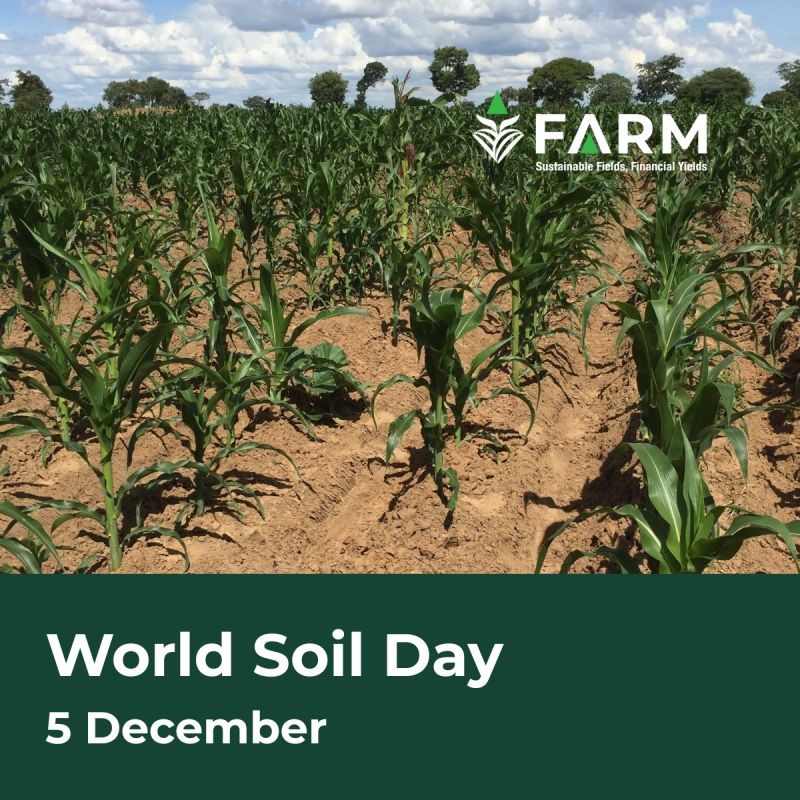
Soil Health is key to agricultural development, ecosystem functions and food security. 95% of the world's food supply comes from soils - but 33% of our soils are degraded. This happens due to a number of reasons, including unsustainable industrial farming practices, excessive use of pesticides and fertilizers, and application of harmful agrochemicals and plastics. A shift towards safer, low-input agricultural solutions will improve soil productivity and protect human health and ecosystems. 

On World Soil Day, the GEF-funded Farm Programme experts have shared their reflections on the recent trends in the biocontrol industry:


🌱 Biocontrol research & development diversity and expanding solutions underscore the sector’s strength.
🌱 Corporate venture capital underpins biocontrol’s growth, but institutional investment must expand.
🌱 Data science, digital finance platforms and operational AI technologies are essential infrastructure. 
🌱 Scientific value must align with financial metrics to strengthen investor confidence in biocontrol. 
🌱 Global initiatives like FARM play a key role in supporting dialogue between innovators and finance. 

Read more in the blog post by @Benjamin Warr and @Alison Watson

https://www.greenpolicyplatform.org/blog/innovation-adoption-financing-growth-biocontrol-industry

Read More

OECD, Organisation for Economic Co-operation and Development(OECD), World Wide Fund for Nature(WWF), International Institute for Sustainable Development(IISD), Basque Centre for Climate Change(BC3)

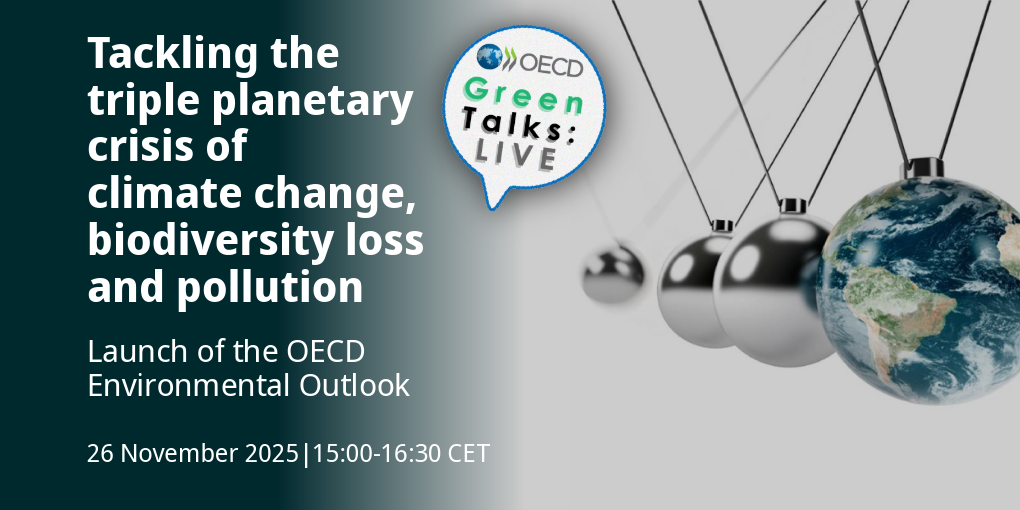
Climate change, biodiversity loss and pollution – the three elements of what is now called the triple planetary crisis – are a growing risk to human health, the environment and the economy. While these challenges are intimately linked, policy responses have traditionally operated in silos,… Read More

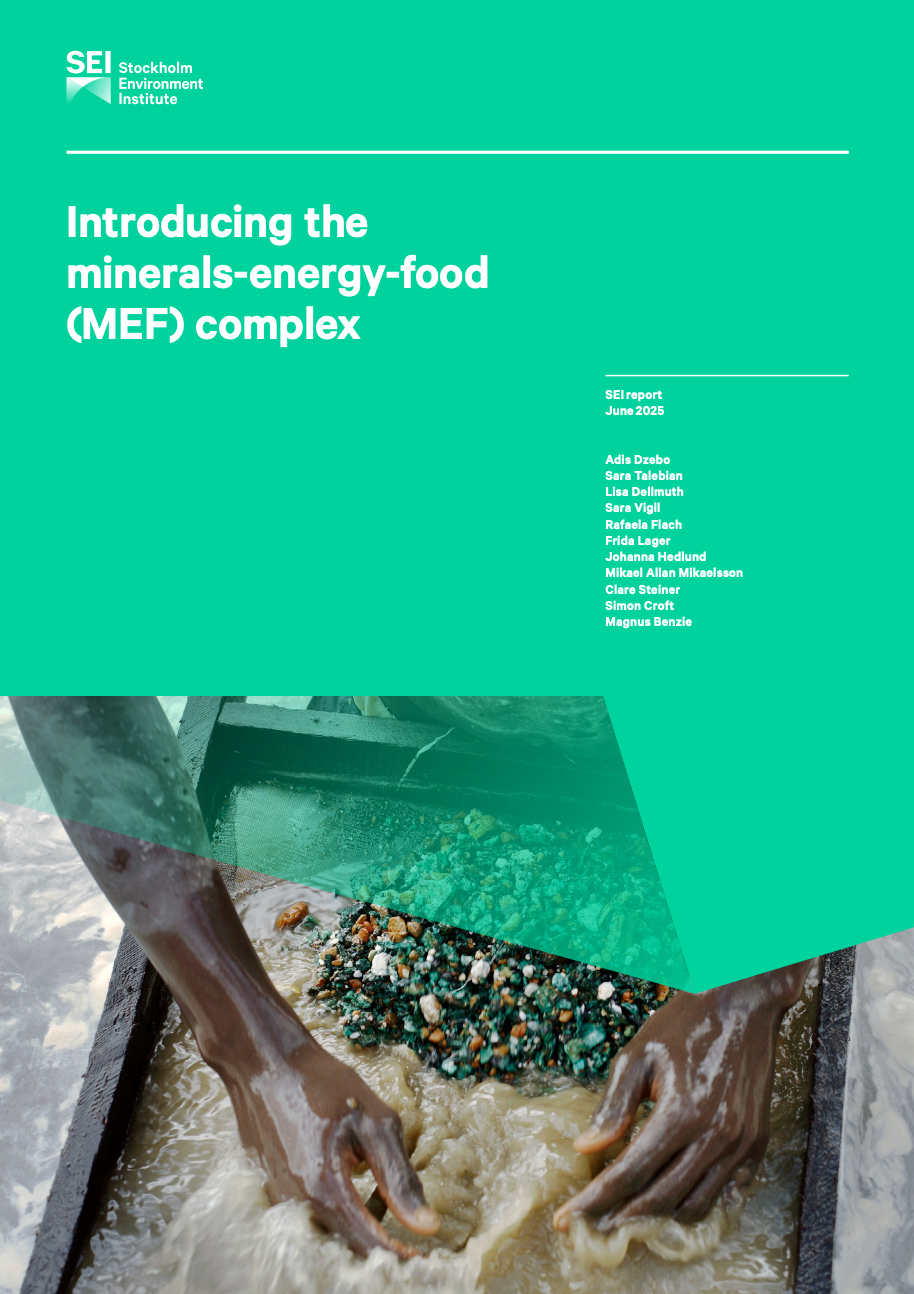
Sharing this publication from our SEI colleagues: The Minerals–Energy–Food Complex! 

This report offers a fresh MEF lens to understand how minerals, energy and food systems are interconnected—and how they shape (and are shaped by) local resources, global markets and climate pressures. It also highlights power imbalances, where low-income countries face the impacts of extraction while others reap the gains.

The findings underscore why an inclusive green economy must prioritize transparency, fair governance and meaningful participation for affected communities.

Read More

https://www.greenpolicyplatform.org/research/introducing-minerals-energy-food-mef-complex
| Online and in Belém
Organisation for Economic Co-operation and Development(OECD)

How is the OECD informing action on climate change? Register for the COP30 Virtual Pavilion to find outFeaturing over 35 virtual sessions organised by 13 Directorates, the OECD COP30 Virtual Pavilion runs from 3 to 21 November 2025. Read More

fgh f

FARM Knowledge Series presents the case study of FARM India: Farmer training models that work. Watch the series here! Driving behaviour change among farmers is key to transitioning to safer alternative solutions to pesticides, yet many struggle to envision the transition despite understanding the importance of biocontrol techniques. See how FARM India works in addressing this issue. Rahul Ponnan Tanu Sethi Shreya Pandey

Read More

https://www.youtube.com/watch?v=UqWtgIvaGik&list=PLfuQE0xj73kn-fXG1rILMsBKQdVyV1RUB&index=3

Agriculture is at a crossroads. With 2.3 billion people facing food insecurity and nearly 10 billion to feed by 2050, we need a Green Revolution 2.0. Embedding green and circular economy principles—from reducing waste to regenerating soils—can help build resilient food systems and advance climate action.

👉 Read this insight piece from ADB.

Read More

https://development.asia/insight/why-agricultural-education-investment-critical-global-food-security